Back to articles
New Infrastructure Track: New Energy Vehicle Charging Pile Development | "New Infrastructure New Busbar" Series Sharing
David Doe
11/7/2025
New Energy Vehicle Charging Piles
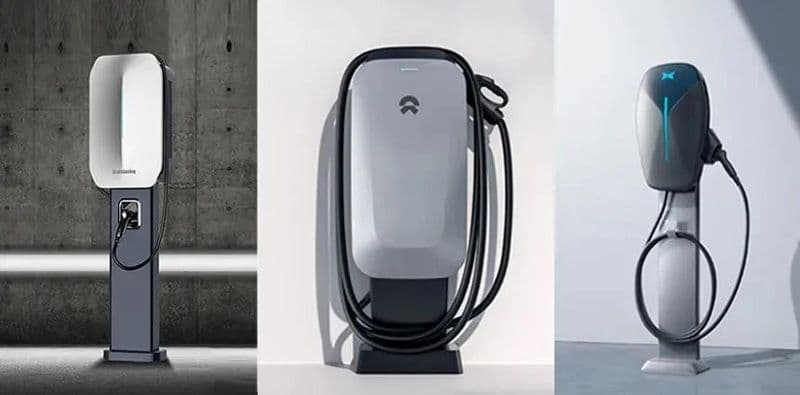
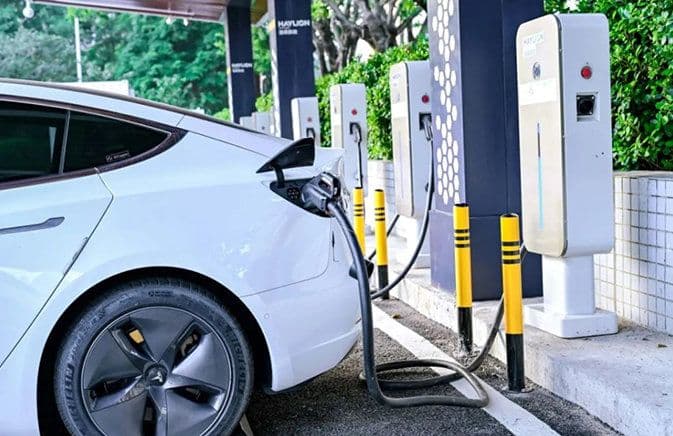
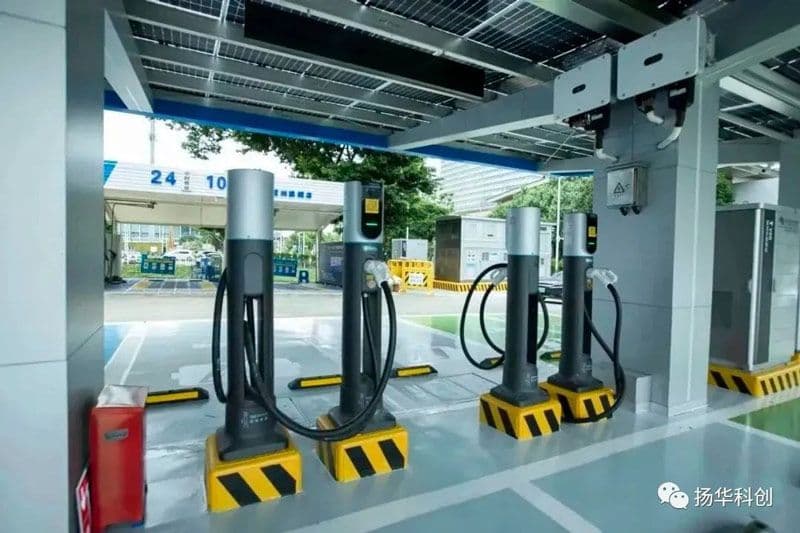
Charging piles are charging devices that provide energy replenishment for electric vehicles. Their function is similar to gas pumps at gas stations. They can be fixed on the ground or walls, installed in public buildings (public buildings, shopping malls, public parking lots, etc.) and residential community parking lots or charging stations, and can charge various types of electric vehicles according to different voltage levels.
Charging Pile Classification
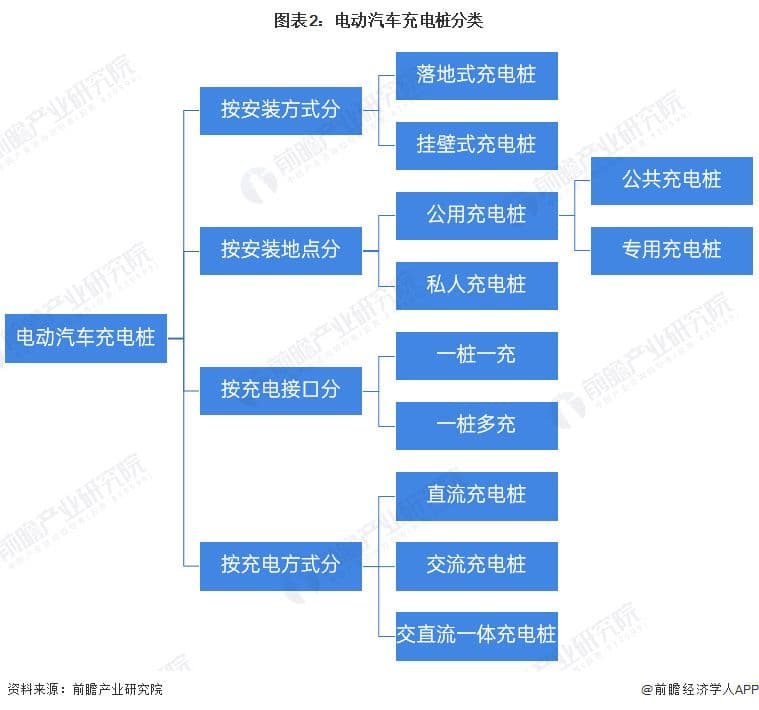
According to different charging methods, service objects, installation methods, and charging interfaces, charging piles can be classified into: DC/AC charging piles, public/private charging piles, floor-standing/wall-mounted charging piles, single-pile single-charge/single-pile multiple-charge, etc.
AC Slow Charging vs DC Fast Charging
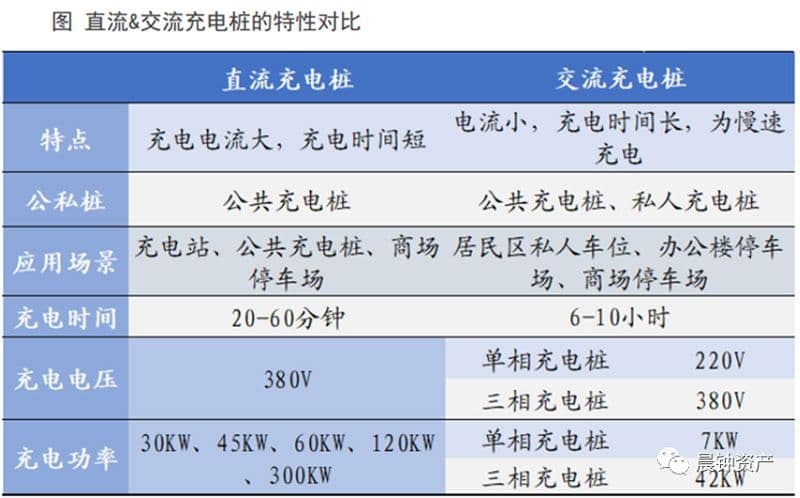
According to output current methods, they can be divided into AC charging piles and DC charging piles.
AC charging piles are widely used in both public and private charging. AC charging piles are specialized power supply devices that provide AC power for electric vehicles with onboard charging devices. AC charging piles have small charging current and long charging time, suitable for slow charging in residential areas and office building parking spaces.
DC charging piles are mainly used for public charging. DC charging piles are specialized devices that convert AC power to DC power for charging electric vehicle power batteries. DC charging piles have large charging current and short charging time, suitable for public places requiring fast charging.
Future Development Prospects of Charging Piles
In the future, charging infrastructure will depend on collaborative support from big data, 5G, and other new technologies and fields. It is expected that after 2025, as the competitiveness of new energy vehicles gradually surpasses fuel vehicles, the charging infrastructure market will enter maturity, with a vehicle-to-pile ratio reaching 2:1, and the industry may achieve large-scale profitability.
Policy Interpretation
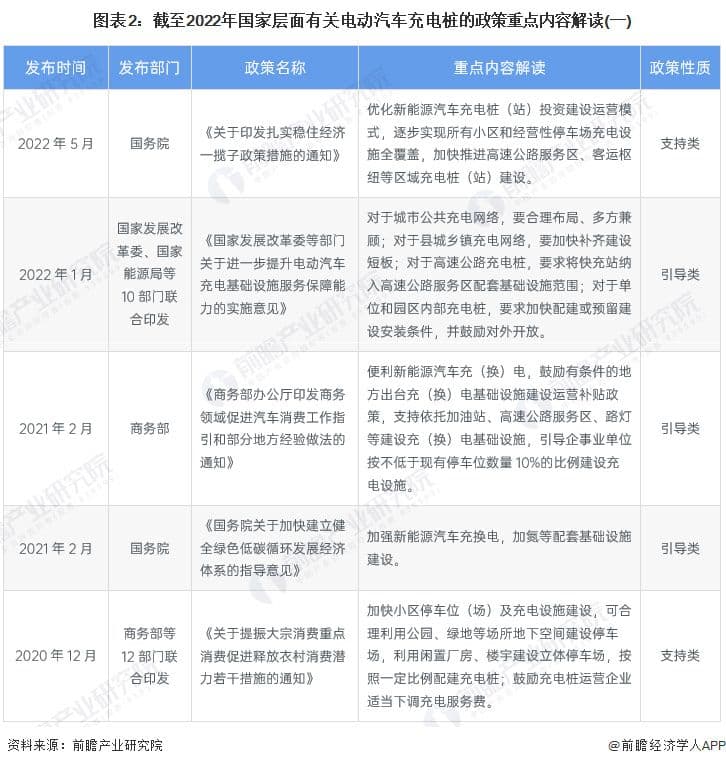
In 2020, the government work report included charging piles in the seven key areas of 'new infrastructure,' marking a further increase in national emphasis on charging infrastructure construction. In January 2022, the National Development and Reform Commission and other departments issued policies proposing that by the end of the '14th Five-Year Plan,' the country should form a moderately advanced, balanced layout, intelligent and efficient charging infrastructure system capable of meeting the charging needs of more than 20 million electric vehicles. The introduction of multiple policies has driven rapid development in the domestic charging pile industry.
Shenzhen - Super Charging City Construction
On November 30, a mobilization and deployment meeting for Shenzhen's super charging city construction was held. Mayor Qin Weizhong attended the event and delivered a mobilization speech. The meeting pointed out the need to treat building a high-quality charging infrastructure system as important work, accelerate the construction of a world-class super charging city, create a global digital energy pioneer city, better support high-quality development of the new energy industry, promote green transformation of economic and social development, and help achieve carbon peak and carbon neutrality goals.
Including the Futian Inli Super Charging Station, Shenzhen has currently built 41 new energy vehicle super charging stations. Shenzhen's future goal is: by 2025, build 300 super charging stations, with the 'super charging/refueling' ratio reaching 1:1 first in the country; by 2035, over 2,000 super charging stations, achieving charging piles wherever there are roads.
Continuous Technological Innovation
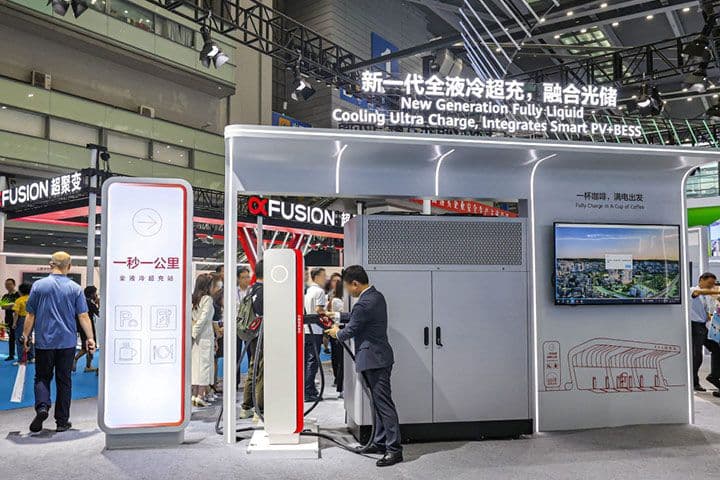
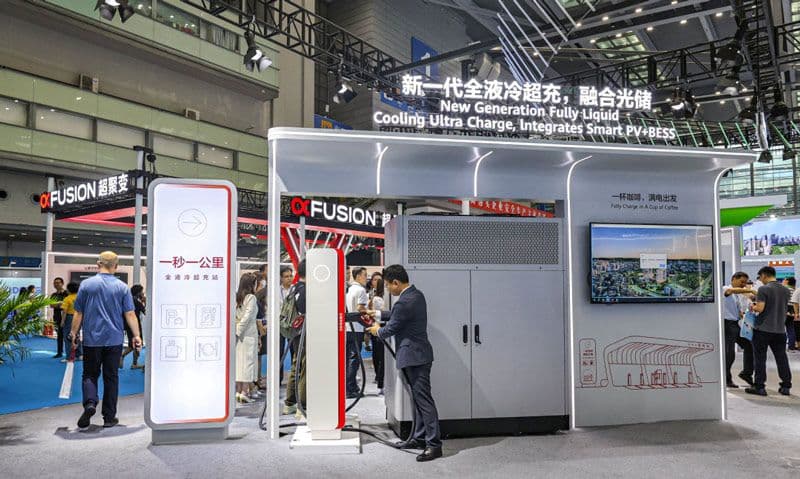
Recently, Huawei's fully liquid-cooled super charging technology has begun nationwide deployment. According to reports, Huawei's liquid-cooled super charging terminal has a maximum output power of 600kW. High-power fast charging and even super charging will be a major trend in charging technology in the future.
High-power fast charging brings greater challenges to the power grid. First, charging equipment may cause power quality problems. Second, due to the uncertainty and randomness of new energy vehicle user charging, when a large number of new energy vehicles charge during peak electricity consumption periods, it will further increase the operational burden on the power system. As the number of new energy vehicles increases, their electricity consumption growth will follow, and the contradiction between high-power fast charging pile construction and power systems will intensify.
High-Current Flexible Busbar
High-Current Power Supply and Distribution
Currently, although DC charging piles solve the problem of excessive charging time for AC charging piles, they also place higher requirements on the safety of power supply and equipment. Charging piles consist of charging equipment, power distribution equipment, and management equipment. On the power distribution side, with the construction and upgrading of high-power super charging stations, safe, efficient, and stable high-current power supply and distribution products are particularly important.
High-Current Flexible Busbar
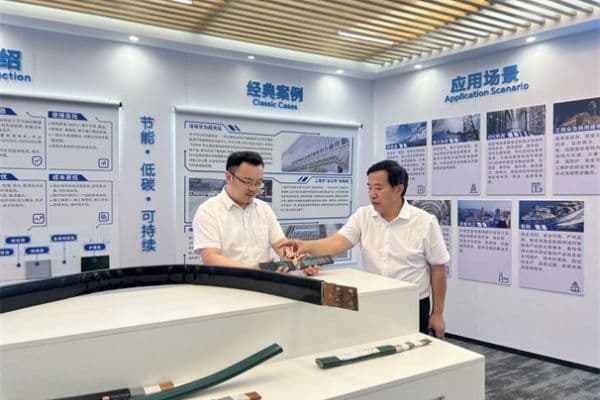
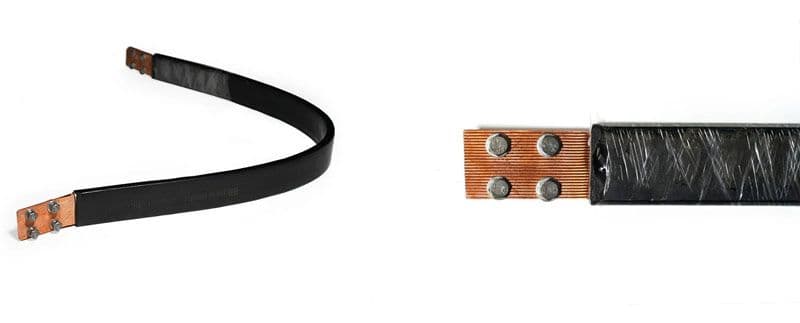
As an innovative application product for high-current power supply and distribution, the high-current flexible insulated busbar (abbreviated: flexible busbar) is a type of flexible insulated bus conductor made of copper wire strips as conductors using partial cable technology. The product structure mainly consists of flexible copper wire strip conductors, wrapping layers, insulation layers, interlocking metal armor layers, and sheath layers.
Flexible busbar products have seven major highlights: high protection level, compact structure, high power efficiency, high reliability, high safety, low cost, and intelligence.
Flexible Busbar Applications
Shenzhen Futian Inli Super Charging Station
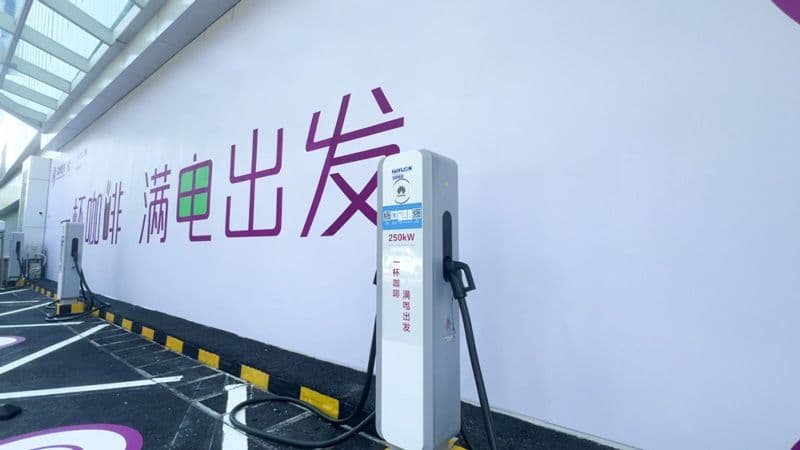
Currently, high-current flexible busbar products have been successfully applied in the demonstration of Shenzhen Futian Inli Super Charging Station's '600kW' taxi super charging station. High-current flexible busbars can provide power to Huawei super charging hosts more efficiently, quickly, and safely. This super charging station can achieve 'one cup of coffee, full charge and go,' providing new energy vehicle owners with more convenient and fast charging experiences while greatly improving the stability and efficiency of super charging stations. This project has completed power-on acceptance for over two months and is operating well.
Focused on High Current Flexible Busbar Innovation, Providing Safe and Efficient Solutions for Power Transmission