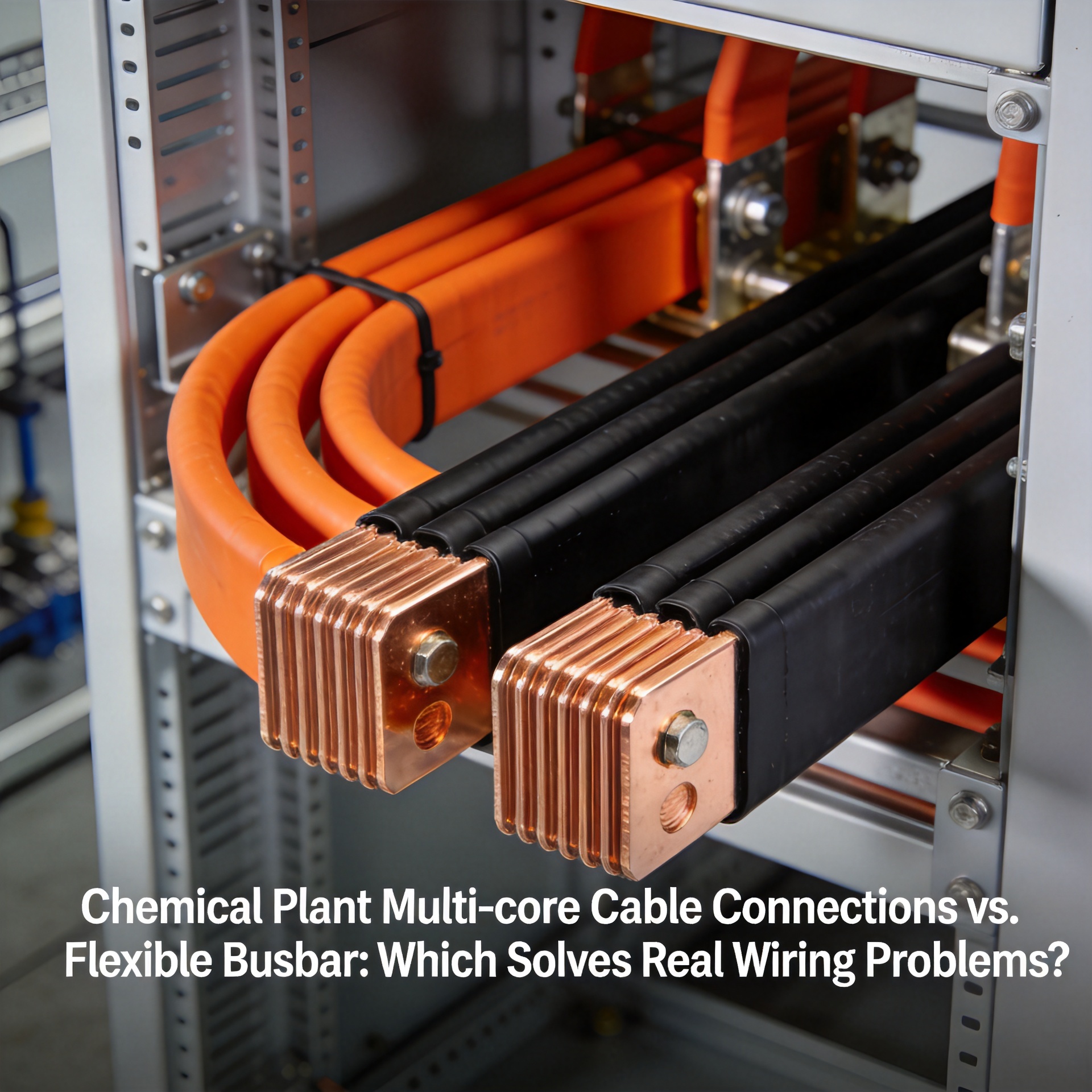
Chemical Plant Multi-core Cable Connections vs. Flexible Busbar: Which Solves Real Wiring Problems?
For chemical plants facing repeated connection failures, heat buildup, and installation downtime from traditional multi-core cables, flexible busbars offer a practical alternative. While multi-core cables remain suitable for fixed, low-vibration installations, flexible busbars reduce connection points, improve heat dissipation, and simplify maintenance in harsh chemical environments. This comparison helps engineers decide based on application load, vibration, and space constraints.
Application Scenario
Chemical plants demand reliable power distribution in corrosive, vibration-prone, and space-constrained environments.
| Application Scenario | Multi-core Cable | Flexible Busbar |
|---|---|---|
| Fixed main power trunk lines | Suitable | Suitable |
| High-vibration equipment (pumps, compressors) | Frequent connection failures | Preferred |
| Tight cabinet enclosures | Difficult bending radius | Easy routing |
| Corrosive atmospheres (acid, alkali) | Requires special jacketing | Inherent resistance |
| Frequent connection/disconnection | Not recommended | Easy maintenance |
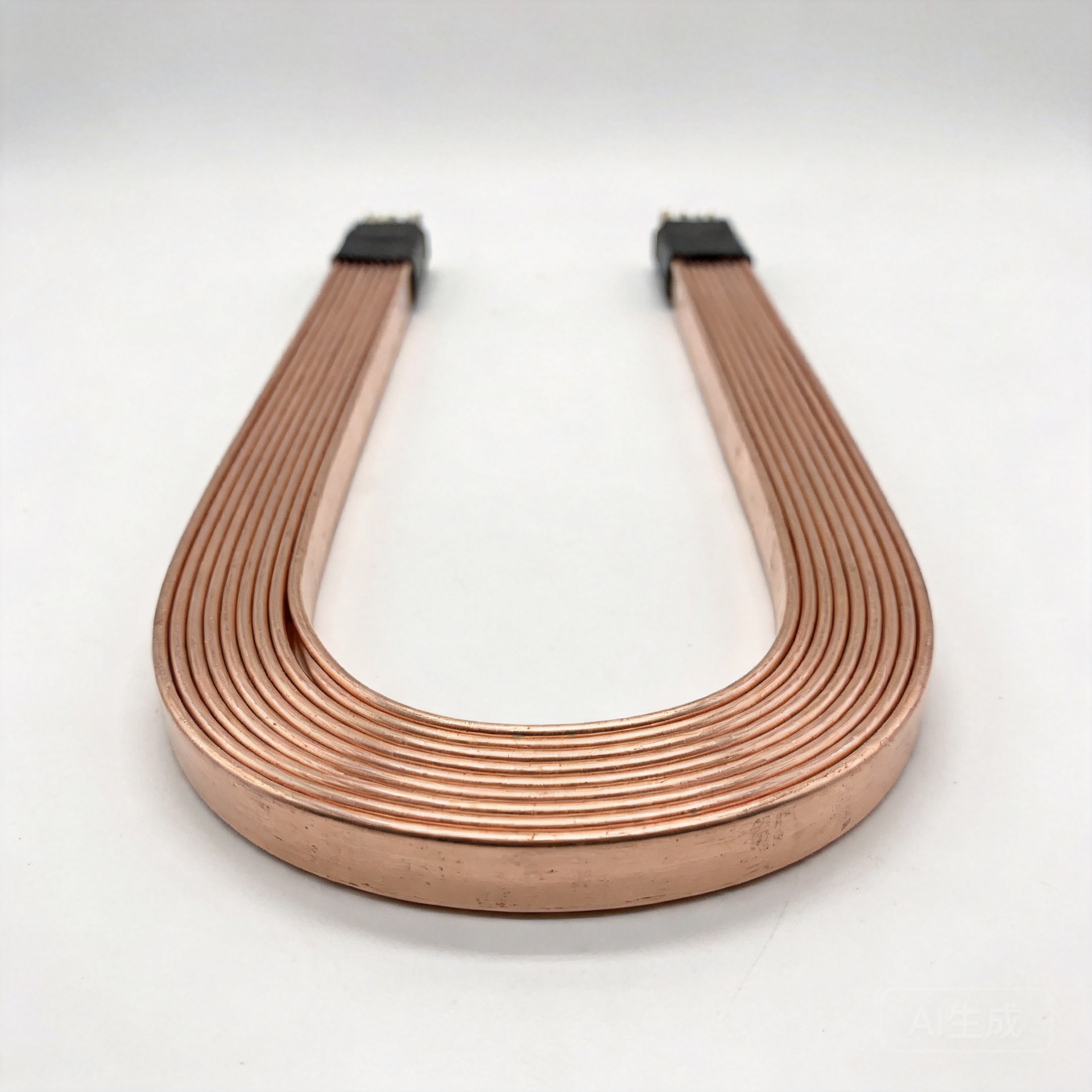
Engineering Decision Criteria
Evaluate these factors when choosing between multi-core cables and flexible busbars [K1]:
- Connection reliability: Flexible busbars reduce bolted connection points by up to 60%, lowering failure risk.
- Thermal management: Busbars dissipate heat better due to exposed metal surfaces vs. insulated cable bundles.
- Installation cost: Cables require skilled labor for termination; busbars enable modular, faster installation.
- Maintenance access: Busbars allow easy visual inspection; cables need disconnection for testing.
- Space utilization: Busbars can be bent and routed in tighter spaces compared to cable bending radius.
- Vibration tolerance: Busbars absorb vibration better than rigid cable connections.
Suitable Cases for Flexible Busbars
- High-current connections between switchgear and transformers
- Power distribution within motor control centers
- Connections to vibrating or rotating equipment
- Retrofits where existing cable routes are congested
- Temporary or seasonal equipment hookups
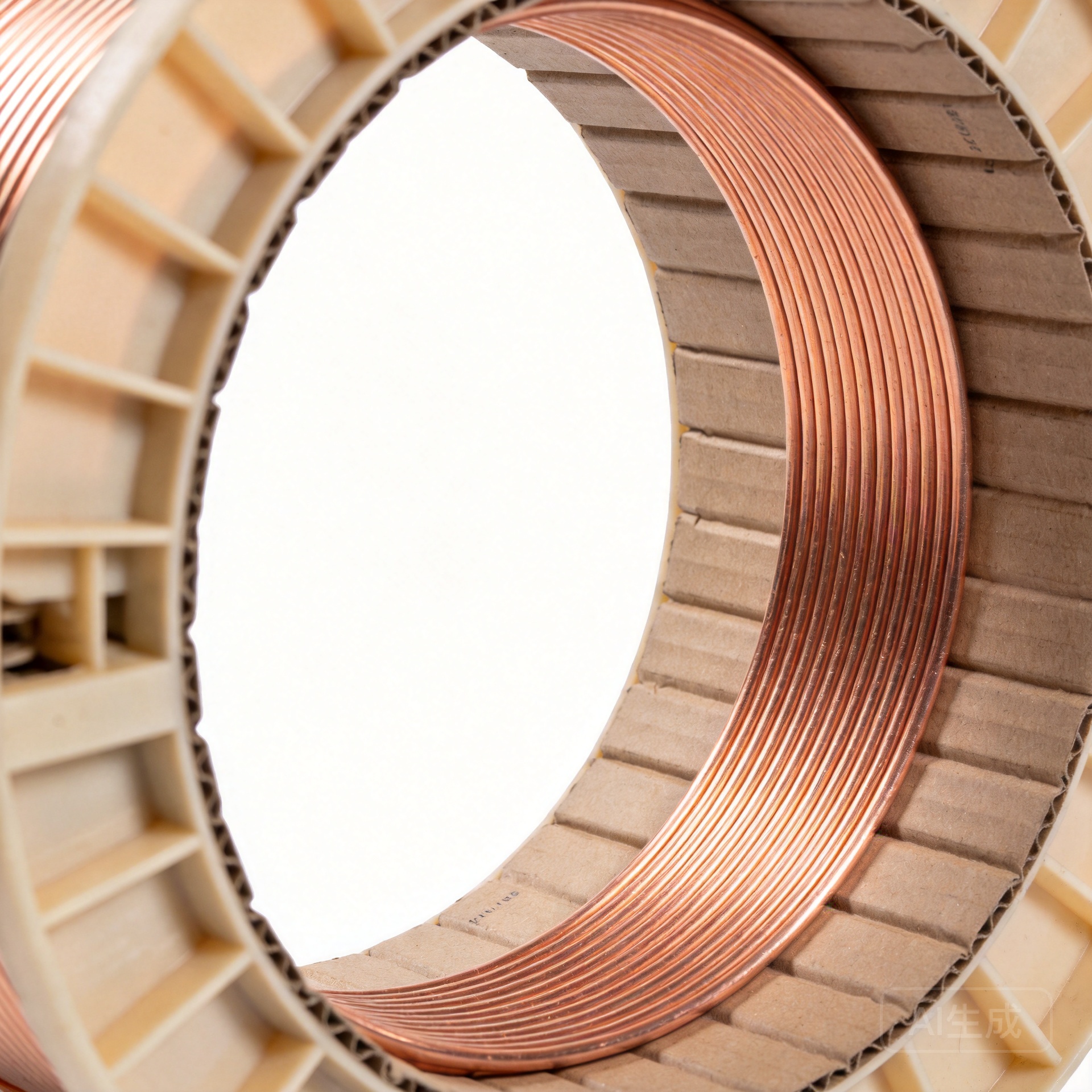
Not Suitable Cases for Multi-core Cables
Avoid relying solely on multi-core cables when [K1]:
- Frequent connection breaks occur due to vibration
- Heat buildup from bundled cables causes insulation degradation
- Space constraints prevent proper cable bending radius
- Chemical exposure degrades cable jackets prematurely
- Repeated re-termination is needed for maintenance
Procurement Notes
When specifying flexible busbars for chemical plants:
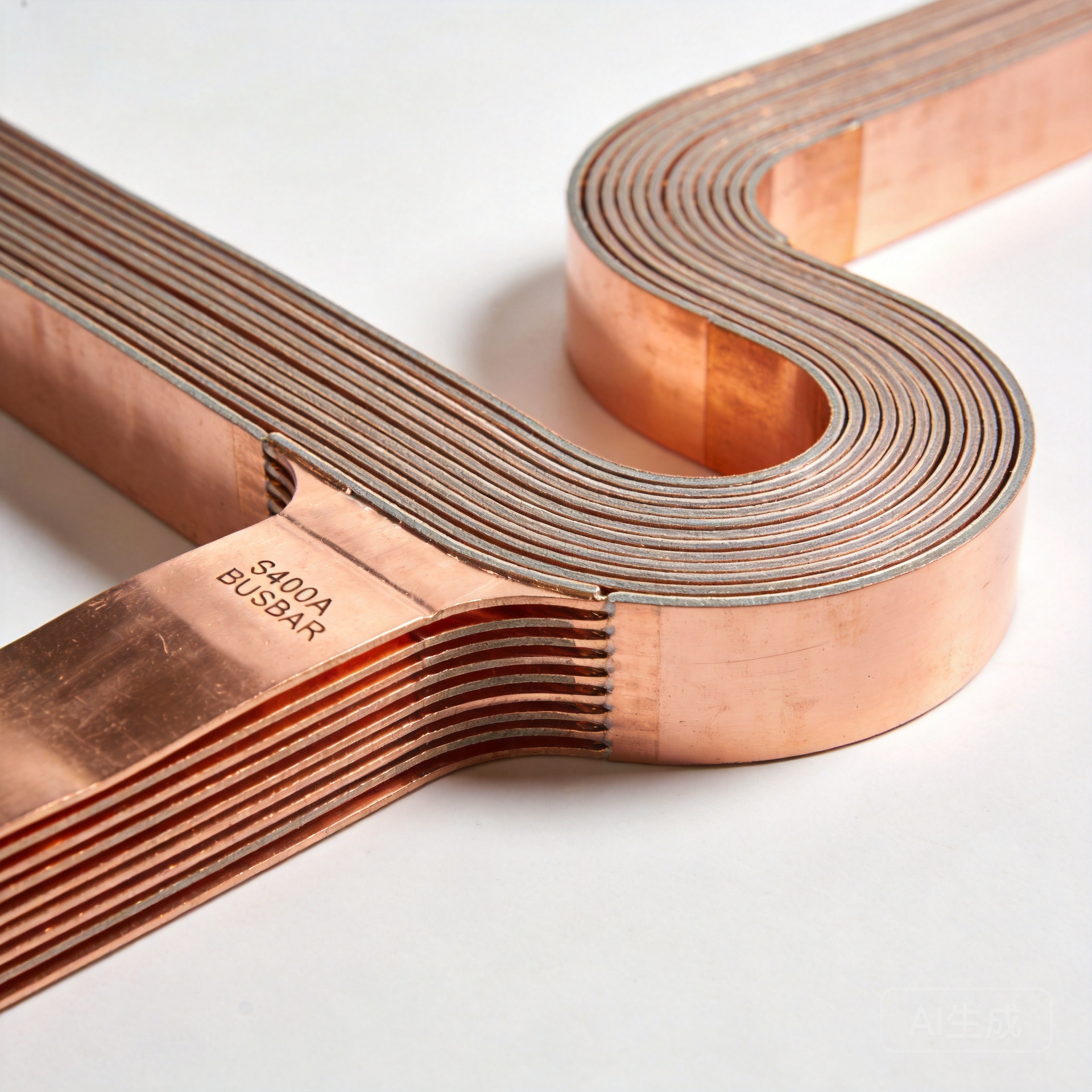
- Confirm ampacity ratings match your load requirements.
- Verify flexibility grade – not all busbars bend equally.
- Ensure materials (copper or aluminum) suit your chemical environment.
- Request installation guides for your specific enclosure type.
- Check termination hardware compatibility with existing equipment.
FAQs
Q: Can flexible busbars replace existing multi-core cables without re-designing the entire system? A: Often yes, especially for same-length replacements. However, verify ampacity, voltage rating, and enclosure clearance. Busbars may require different mounting supports [K1].
Q: How do flexible busbars handle short-circuit currents compared to multi-core cables? A: Flexible busbars generally handle short-circuit currents well due to their larger cross-section. But always consult the supplier’s short-circuit rating data before selection.
Q: Are flexible busbars more expensive than multi-core cables for chemical plants? A: Initial per-meter cost may be higher, but total installed cost can be lower due to reduced labor, fewer connections, and less maintenance downtime [K1].
Q: What maintenance do flexible busbars need in corrosive environments? A: Periodic visual inspection for oxidation or corrosion, especially at connection points. Some busbars have protective coatings. Cleaning intervals depend on the specific chemical exposure.
Q: Can I mix flexible busbars and multi-core cables in the same installation? A: Yes, it’s common to use busbars for high-current runs and cables for final branch connections. Ensure consistent rating and protection coordination.
About the Author Yanghua Editorial Team — This article is maintained in the Astro MDX repository and reviewed against the source materials listed for the page.
Certifications, test reports, and performance claims require explicit approval before public publication.
Contact: info@yhflexiblebusbar.com | Phone: +86-769-3893-9888