
Huzhou Power Distribution Cabinet Project — Flexible Busbar and Bus Duct Connection
Confidential
This project is located in Huzhou, Zhejiang. The transformer outlet in the owner's power distribution room originally used a bus duct. However, due to extremely limited installation space, the bus duct connection to the low-voltage cabinet incoming line was not feasible with conventional methods. The customer selected Yanghua's high-current flexible busbar, which provides high current-carrying capacity in a single conductor without requiring multiple joints that would de-rate capacity. The product features a small footprint, compact structure, and high flexibility, allowing direct installation in narrow construction spaces. Additionally, the flexible busbar is manufactured to standardized specifications and does not require advance custom design — it can be cut and deployed on-site according to actual installation conditions, significantly shortening the project construction period.
Project Background & Challenges
The power distribution room had severely limited installation space, making it impossible to connect the bus duct from the transformer to the low-voltage cabinet incoming line using conventional rigid busbar or cabling solutions without compromising safety and reliability.
- Extremely limited installation clearance in the power distribution room prevented conventional bus duct deployment
- Traditional rigid busbar systems would require multiple joints and parallel conductors, increasing heat points and reducing reliability
- Custom engineering and pre-design requirements for conventional busbar solutions would extend the project timeline and increase costs
- Narrow construction space left no room for standard bending-radius cabling or rigid busbar assembly
Solution
Yanghua supplied high-current flexible busbars with compact structure and high flexibility. The standardized product required no advance design, enabling direct on-site cutting and immediate installation, while the single-conductor high current-carrying capacity eliminated the need for multiple parallel runs and intermediate joints.
- Deployed high-current flexible busbars with compact structure and high flexibility to fit the narrow installation space without de-rating
- Single-conductor high current-carrying capacity eliminated the need for multiple parallel conductors, reducing connection points and potential heat spots
- Standardized flexible busbar production enabled on-site cutting and immediate installation without advance custom design or engineering lead time
- Point-to-point direct connection simplified the entire power distribution layout, improving overall system reliability
Project Results
Products Used
Project Gallery

Related Projects
Explore similar industrial busbar installation cases
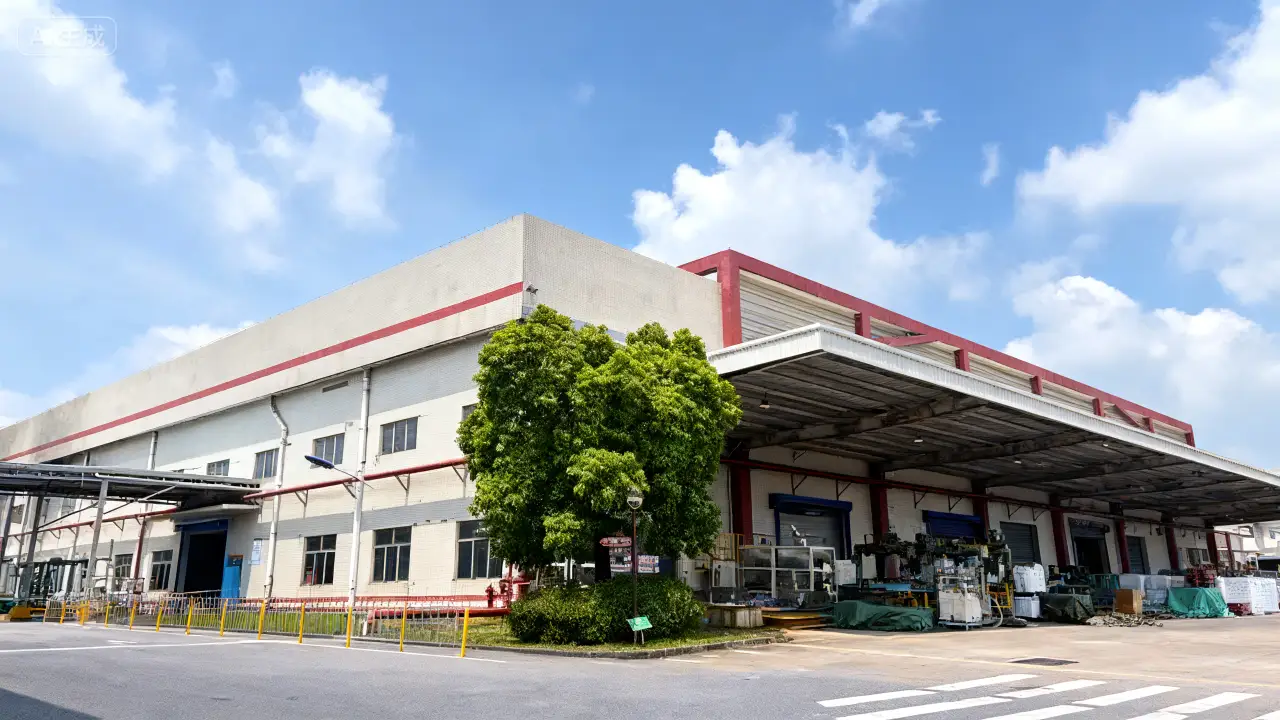
Midea Industrial Complex
Modern industrial busbar applications for manufacturing facility upgrade with flexible copper busbar manufacturer solutions

Intelligent Manufacturing Base Project of a Major Energy Group in Deyang, Sichuan
Large-scale flexible busbar deployment for a modern intelligent manufacturing base, providing 6400A to 1000A multi-specification power distribution across complex cable trench and bridge routing paths.

New Materials Technology Industrial Park Project in Fuzhou, Fujian
Flexible busbar solution for a new materials industrial park production line in Fuzhou, where embedded conduit constraints and multi-turn routing paths demanded a high-flexibility power distribution approach.
Inquire About Similar Projects
Get Quote for Similar Project
Connect this project to the next decision
Review the related product range, application solution, technical hub, and engineering quotation path for a comparable installation.