![Flexible Busbar Industry Solutions [Charging Stations] (With Complete Manual Download Instructions)](/storage/uploads/images/articles/en/flexible-busbar-industry-solutions-charging-stations-with-complete-manual-download-instructions-527307/cover.webp)
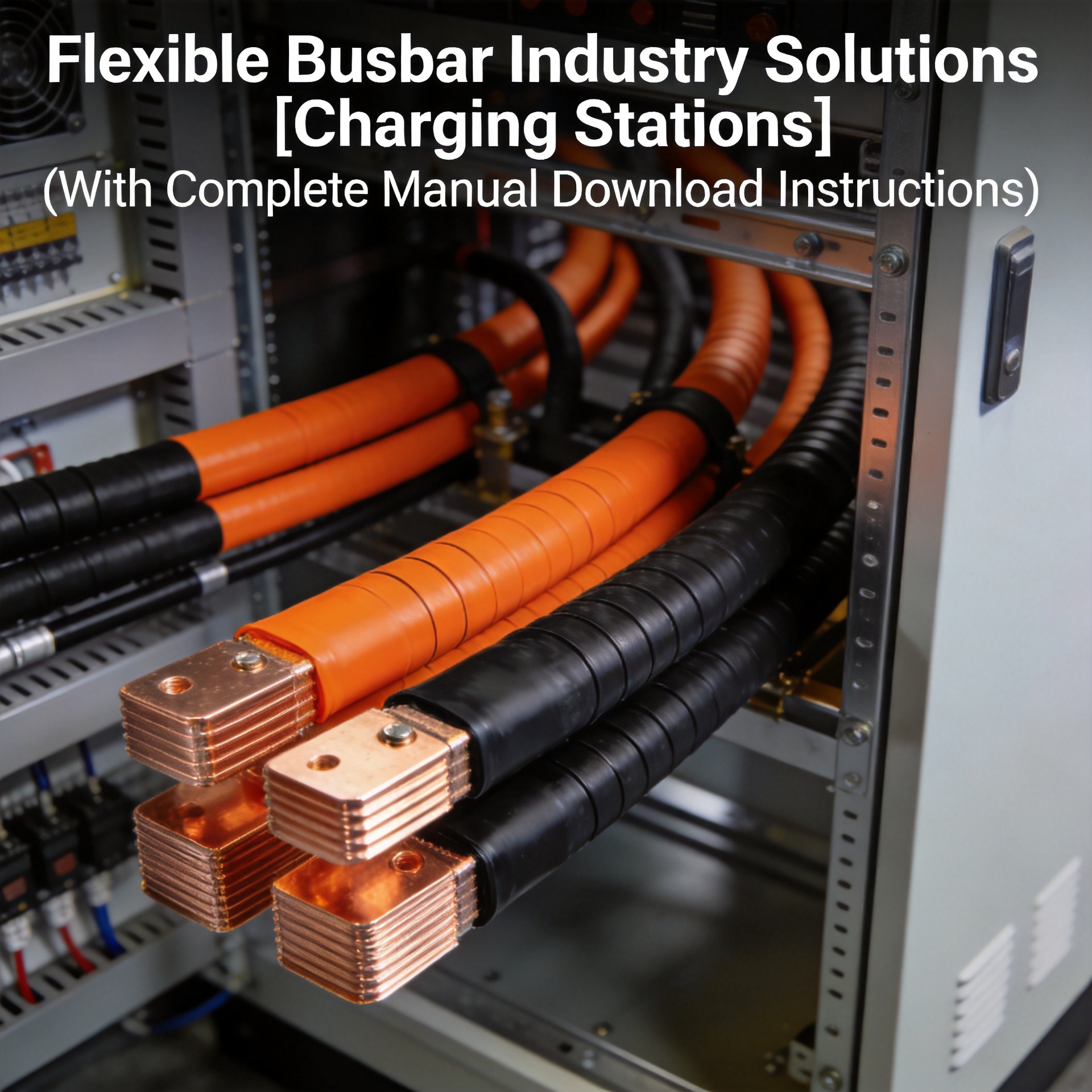
Flexible Busbar Industry Solutions [Charging Stations] (With Complete Manual Download Instructions)
Direct Answer: Yanghua’s flexible busbar solutions for EV charging stations enable high current power distribution up to 630A in compact, custom layouts. These laminated conductors reduce installation space by 40% compared to traditional cables while improving heat dissipation. For procurement teams evaluating charging pile busbars, Yanghua offers custom busbar system parameters and complete manual downloads for technical review. [K1][K2]
Application Scenario
EV charging stations, particularly DC fast-charging piles and high-power charging hubs, require efficient, space-saving power distribution solutions. Yanghua flexible busbars are designed to handle high currents (up to 630A) in confined enclosures, connecting power modules to charging connectors and battery storage systems. These busbars are particularly suited for:
- DC fast-charging stations (60kW–350kW)
- Ultra-fast charging hubs (350kW+)
- Charging pile internal power distribution
- Charging station battery energy storage integration
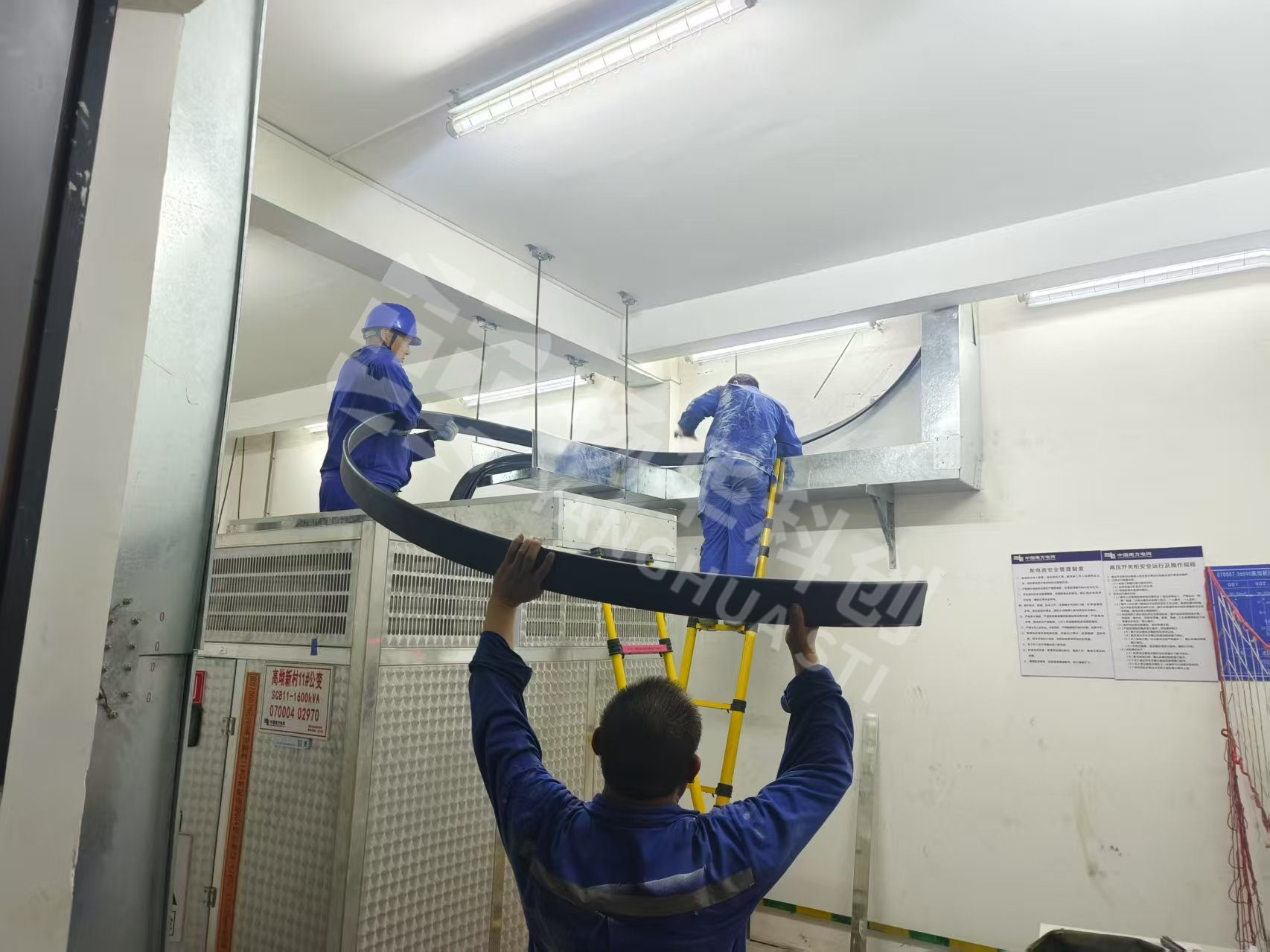
The flexible nature of these laminates allows routing around obstacles within charging cabinets, reducing the need for bulky cable bends and terminations. [K1][K4]
Engineering Decision Criteria
When selecting a flexible busbar for charging station applications, engineers and procurement managers should evaluate the following parameters. Yanghua provides custom busbar system parameters to match specific charging pile designs:
| Parameter | Typical Range | Why It Matters |
|---|---|---|
| Current rating | 100A–630A | Matches charging power output requirements |
| Voltage rating | Up to 1500V DC | Supports latest ultra-fast charging standards |
| Conductor material | Copper (C1100) or Aluminum | Copper preferred for high-cycle charging; aluminum for weight savings |
| Insulation material | PET, PI, or epoxy coating | Determines thermal class and dielectric strength |
| Bend radius | 2x–5x thickness | Allows tight routing inside charging enclosures |
| Operating temperature | -40°C to +125°C | Must withstand charging heat cycles and ambient extremes |
| Connector type | Custom (bolt-on, plug-in, stud) | Must match power module and cable interface |
Note: All parameters are custom-configurable. Contact Yanghua for detailed specifications per your charging station design. [K1][K5]
Suitable vs. Not Suitable Cases
Suitable for Flexible Busbar Use
- High-density charging cabinets: Multiple power modules in a single housing where cable congestion is a problem.
- High-ampacity connections: 350kW+ charging piles requiring >400A DC continuous current.
- Compact charging stations: Urban or parking-garage installations where space is constrained.
- Overhead or wall-mounted chargers: Flexible busbars simplify routing in non-standard orientations.
- Charging stations with integrated energy storage: Combined BESS and charger power distribution.
Less Suitable for Flexible Busbar Use
- Low-power AC chargers (<22kW): Traditional cables may be more cost-effective for simpler designs.
- Mobile charging units: Vibration and movement may require reinforced or rigid busbar designs; discuss with Yanghua engineering.
- Extreme-temperature environments (>125°C continuous): Standard insulation materials may degrade; custom high-temp insulation available by request.
- Very long runs (>5 meters): Flexible busbars are optimized for internal, short-run distribution; consider copper busway for longer paths.
[K1][K4]
Procurement Notes
-
Custom busbar system parameters: Yanghua provides a detailed customization form during procurement—submit your charging pile power rating, enclosure dimensions, and connector requirements for a tailored proposal. [K1]
-
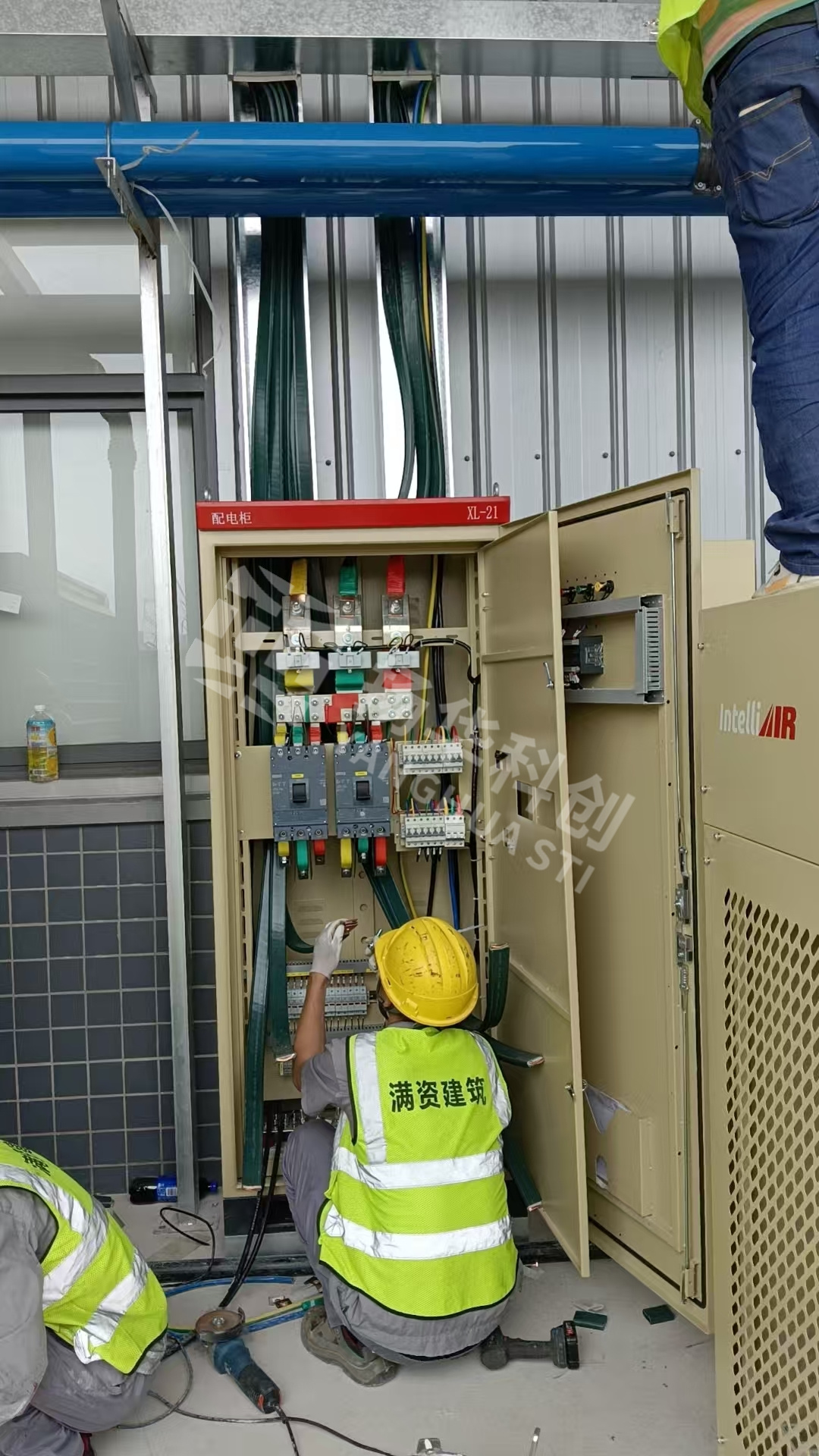
Manual download instructions: The complete technical manual includes installation guidelines, torque specifications, and testing procedures. It is available for download from the original article page. [K2]
-
Minimum order quantities: MOQ depends on complexity and customization. Contact Yanghua sales for project-specific terms. [K1]
-
Lead time: Standard custom orders typically deliver in 2–4 weeks; expedited options available for urgent projects.
-
Testing and validation: Yanghua recommends prototype testing for each new charging station design—particularly for high current flexible busbar applications above 500A. [K4]
Frequently Asked Questions
Q: Can flexible busbars handle the heat generated by rapid charging (e.g., 350kW)?
A: Yes, Yanghua flexible busbars are rated for continuous operation at up to 630A and temperatures ranging from -40°C to +125°C. For 350kW charging at 800V DC (~437A), standard copper laminates with PET insulation provide sufficient thermal margin. At higher currents or ambient temperatures, custom epoxy-coated or PI-insulated busbars are available. Always verify thermal conditions with Yanghua during specification. [K1][K5]
Q: How do I download the complete technical manual for charging station busbars?
A: The complete manual is available for download on the original Yanghua article page—use the link provided in the source material. It includes full installation instructions, torque specifications, and testing guidelines for charging station applications. [K2]
Q: What is the typical lead time for a custom flexible busbar for a charging station project?
A: Standard custom orders typically ship within 2–4 weeks after design approval. Expedited lead times (1–2 weeks) are possible for established designs or if specifications match existing tooling. Contact Yanghua early in your procurement cycle to align delivery with your project schedule.
Q: Can flexible busbars be used in outdoor charging stations?
A: Yes. Yanghua offers weather-resistant insulation options for outdoor installations, including UV-stable epoxy coatings and sealed laminations. However, ensure your enclosure provides basic environmental protection (IP54 or better) to prevent moisture ingress around connections. Outdoor installations require custom busbar system parameters for environmental sealing. [K1]
Q: Do you provide samples or prototypes for new charging station designs?
A: Yes, Yanghua provides prototype busbars for functional testing. Submit your charging station drawings and electrical specifications to the sales team; they will propose a prototype design and timeline. Prototyping is strongly recommended before full production, especially for custom busbar system parameters exceeding 400A. [K1][K4]
About the Author Yanghua Editorial Team — This article is maintained in the Astro MDX repository and reviewed against the source materials listed for the page.
Certifications, test reports, and performance claims require explicit approval before public publication.
Contact: info@yhflexiblebusbar.com | Phone: +86-769-3893-9888