Another Breakthrough! Flexible Busbar Assists Energy Storage Project Implementation!
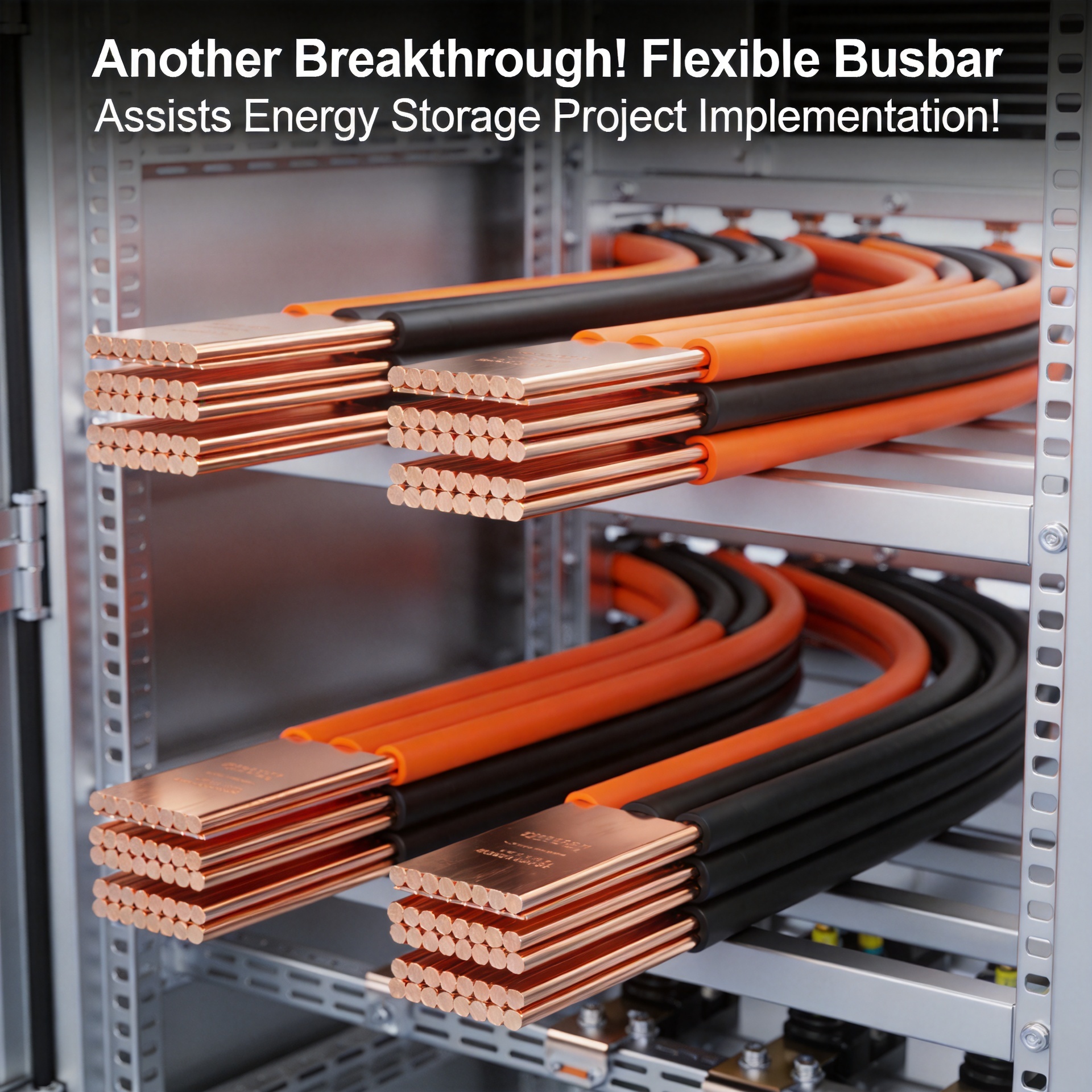
Direct Answer: Yanghua’s flexible busbar technology has achieved a new milestone in energy storage project implementation, providing high-current power distribution solutions for BESS (Battery Energy Storage Systems). These custom-designed busbar systems optimize space utilization, improve thermal management, and enhance electrical connectivity for utility-scale and commercial storage applications. Engineers should evaluate flexible busbars when seeking to reduce installation complexity and improve system reliability in constrained enclosures.
Application Scenario
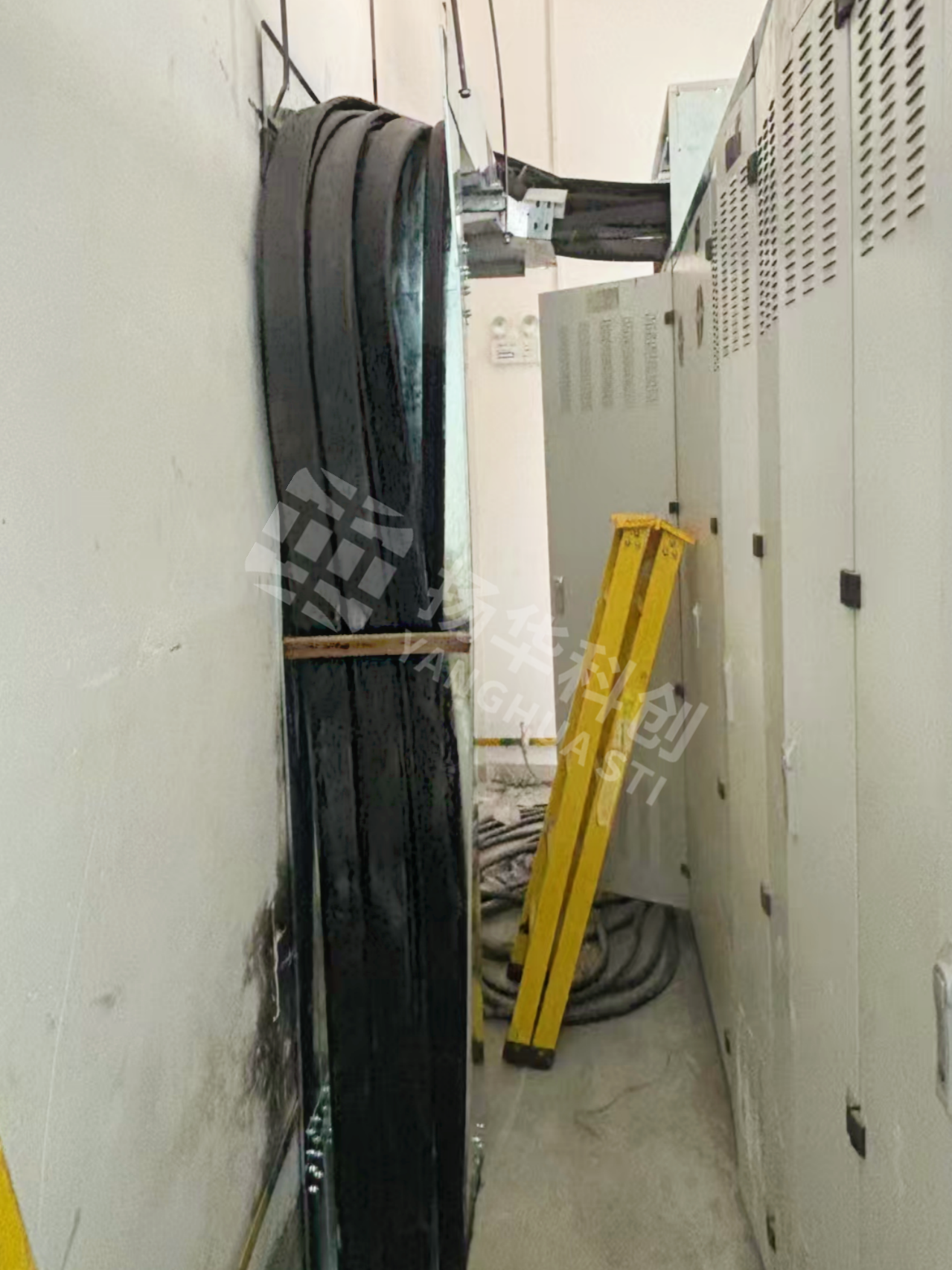
Flexible busbars are specifically designed for energy storage systems where traditional rigid busbars or cable bundles create installation challenges [K1]. Common application scenarios include:
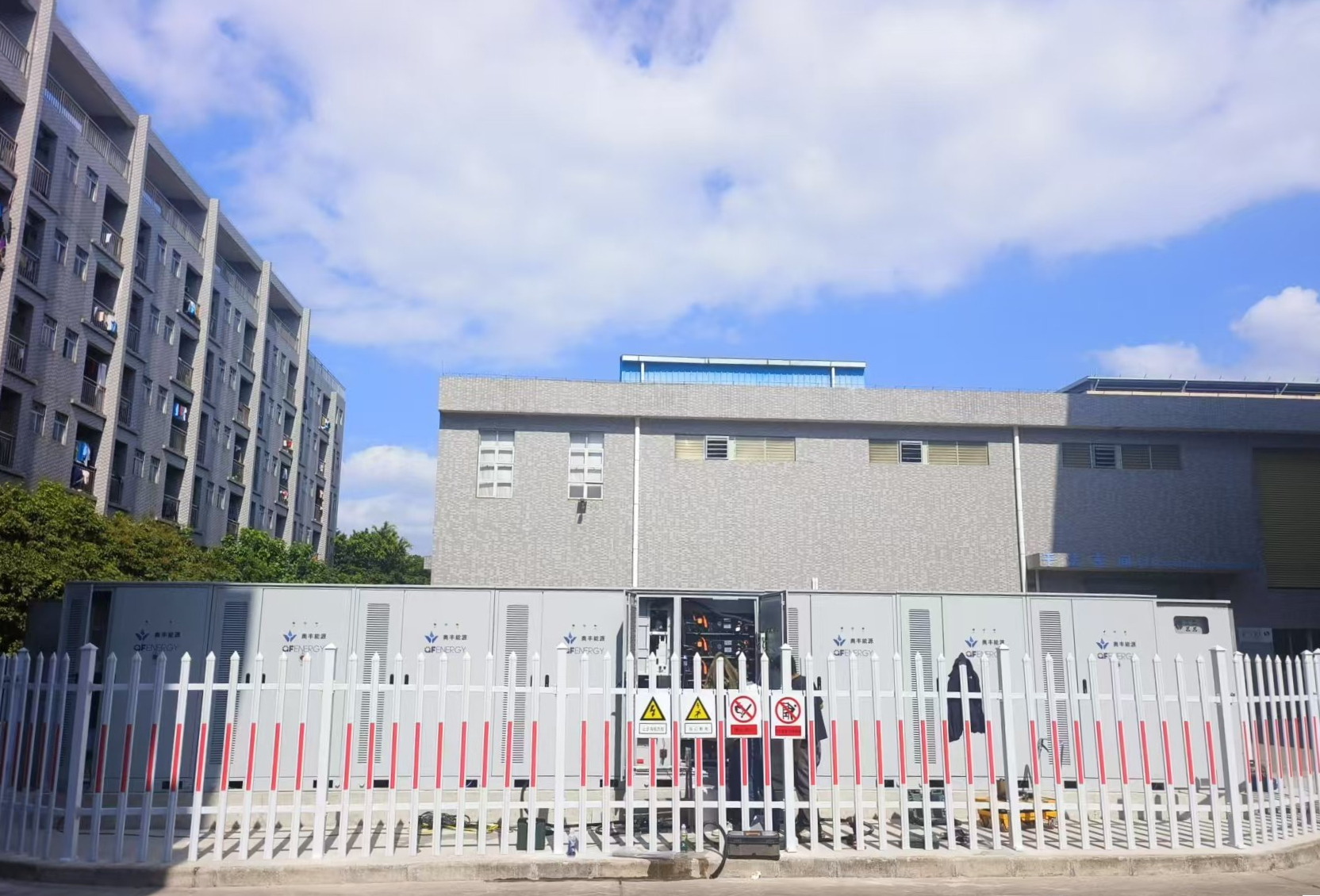
- Utility-scale BESS: Large battery containers requiring high-current connections between battery racks and inverters
- Commercial storage systems: Modular storage units where space optimization directly impacts energy density
- Containerized storage projects: Prefabricated storage solutions needing simplified internal wiring
The flexibility of these busbars allows them to navigate tight corners, adapt to temperature-induced expansion, and fit into non-linear cable paths common in modern storage designs.
Engineering Decision Criteria
When selecting flexible busbars for energy storage projects, engineers should consider:
| Criterion | Assessment Method | Yanghua Advantage |
|---|---|---|
| Current rating | Calculate peak and continuous load per busbar | Customizable cross-sections for specific ampacity |
| Thermal performance | Simulate heat dissipation in enclosure | Laminated copper-aluminum design reduces hot spots |
| Installation complexity | Evaluate labor time vs rigid alternatives | Pre-formed assemblies reduce field work by up to 40% |
| Space constraints | Measure available routing paths | Bending radius as low as 2x thickness |
| Environmental durability | Test for humidity, vibration, thermal cycling | Insulation options rated for storage environment |
Figure of merit: For projects with >100 battery modules per container, flexible busbars typically reduce connector count by 30-50% compared to traditional cable harnesses.
Suitable vs. Not Suitable Cases
Suitable for:
- Systems with complex, multi-plane routing requirements
- Battery racks requiring frequent maintenance access
- High-vibration environments (mobile storage, marine applications)
- Climate-controlled enclosures with controlled humidity
Not suitable for:
- Extreme temperature environments exceeding 150°C continuous
- Applications requiring direct exposure to corrosive chemicals
- Projects with zero tolerance for insulation wear (use rigid busbars instead)
- Systems where busbar shape must remain unchanged for decades (rigid alternatives preferred)
Procurement Notes
When ordering flexible busbars for energy storage projects:
- Provide complete system parameters including peak current, voltage, ambient temperature, and enclosure routing diagrams [K5]
- Request prototype samples for fit testing before full production
- Specify insulation type (may require dielectric testing for your local codes)
- Verify termination options compatible with your battery terminals and inverter connections
Note: Yanghua’s technical team can assist with custom busbar system parameter optimization based on your project’s specific electrical and mechanical requirements [K5].
Frequently Asked Questions
Q1: How does flexible busbar improve energy storage system reliability? A1: Flexible busbars reduce connection points compared to cable bundles, minimizing potential failure sites. Their ability to absorb thermal expansion and vibration stress also improves long-term system integrity. [K1]
Q2: What current ratings are typically available for BESS applications? A2: Custom ratings are available based on your system requirements. Standard configurations can handle continuous currents from 200A to 3000A at operating voltages up to 1500V DC. Always verify with your system’s maximum demand.
Q3: Can flexible busbars be retrofitted into existing storage systems? A3: Yes, provided the existing enclosure dimensions and routing paths accommodate the minimum bending radius. A site survey or detailed engineering drawings will be necessary for proper fit.
Q4: What certifications should I look for in energy storage busbars? A4: Verify that the busbar manufacturer provides documentation for insulation resistance, dielectric strength, and material flammability per your local electrical codes. Yanghua can supply relevant test data upon request.
Q5: How do I specify busbar dimensions for a containerized storage system? A5: Provide your system’s electrical single-line diagram, enclosure 3D model or detailed dimensioned drawing, ambient temperature profile, and desired current/voltage parameters. The manufacturer can then propose an optimized busbar layout.
About the Author Yanghua Editorial Team — This article is maintained in the Astro MDX repository and reviewed against the source materials listed for the page.
Certifications, test reports, and performance claims require explicit approval before public publication.
Contact: info@yhflexiblebusbar.com | Phone: +86-769-3893-9888