Flexible Copper Busbar Technology Trends 2025: Materials and Smart Monitoring
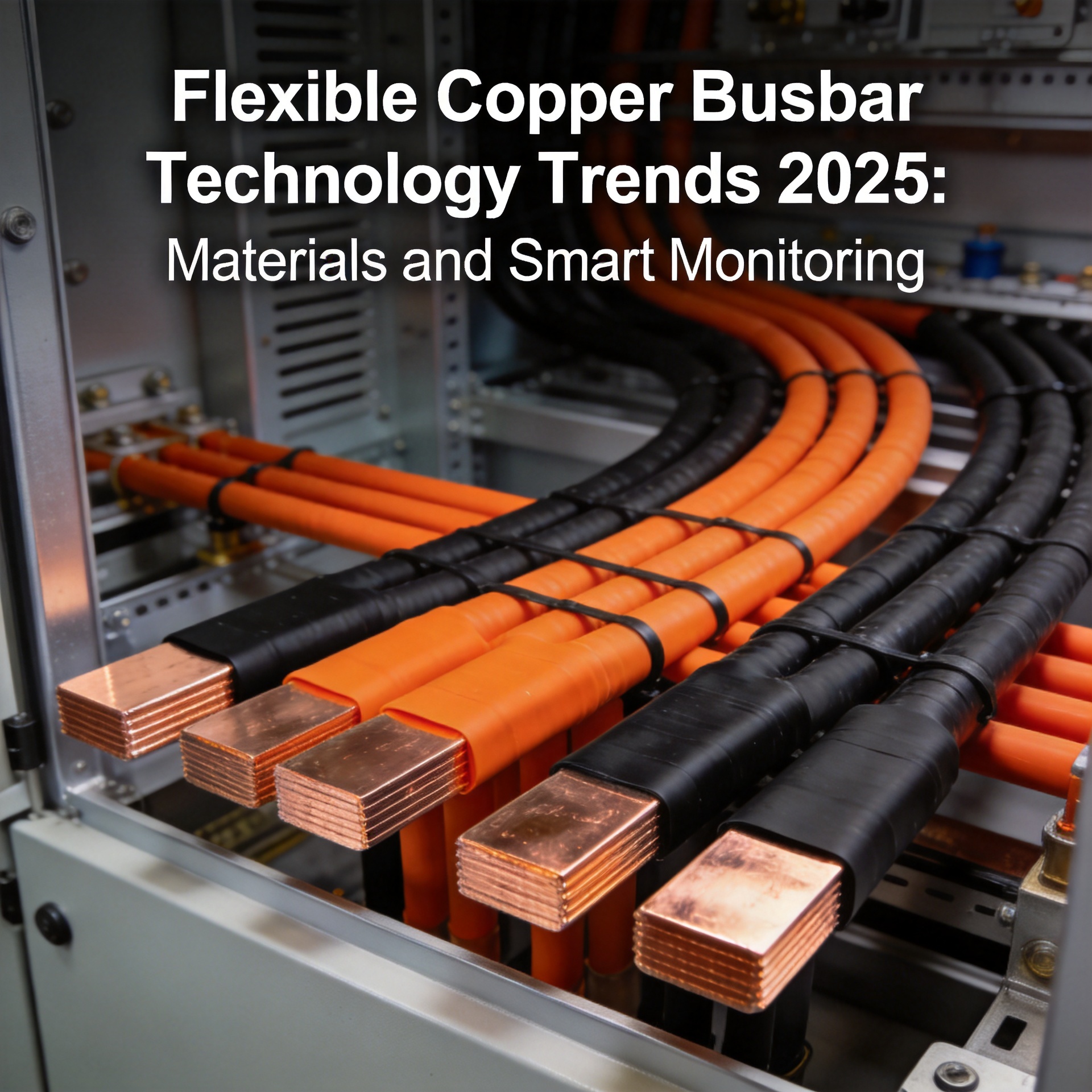
What are the 2025 trends for flexible copper busbars? Flexible copper busbars are evolving toward higher-performance insulation materials like epoxy powder coating and heat-resistant PET laminates, while smart monitoring integration is emerging for real-time thermal and electrical fault detection in energy storage systems and power distribution [K2]. These trends aim to improve safety, reliability, and energy efficiency for compact, high-current applications [K1].
Application Scenarios
Flexible copper busbars are primarily used in:
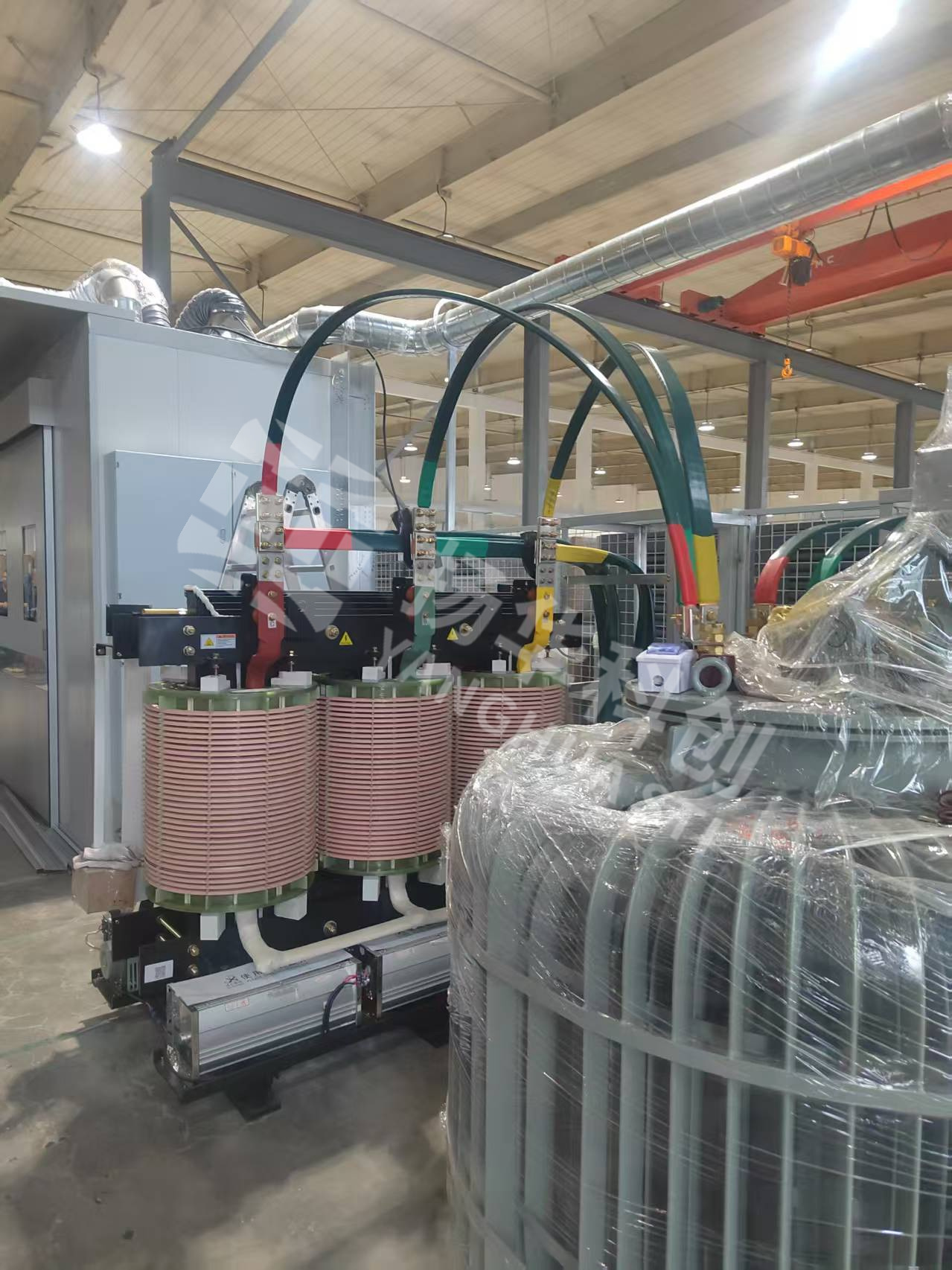
- Energy storage systems – connecting battery modules, battery clusters, and power conversion systems where vibration resistance and flexibility are critical [K2]
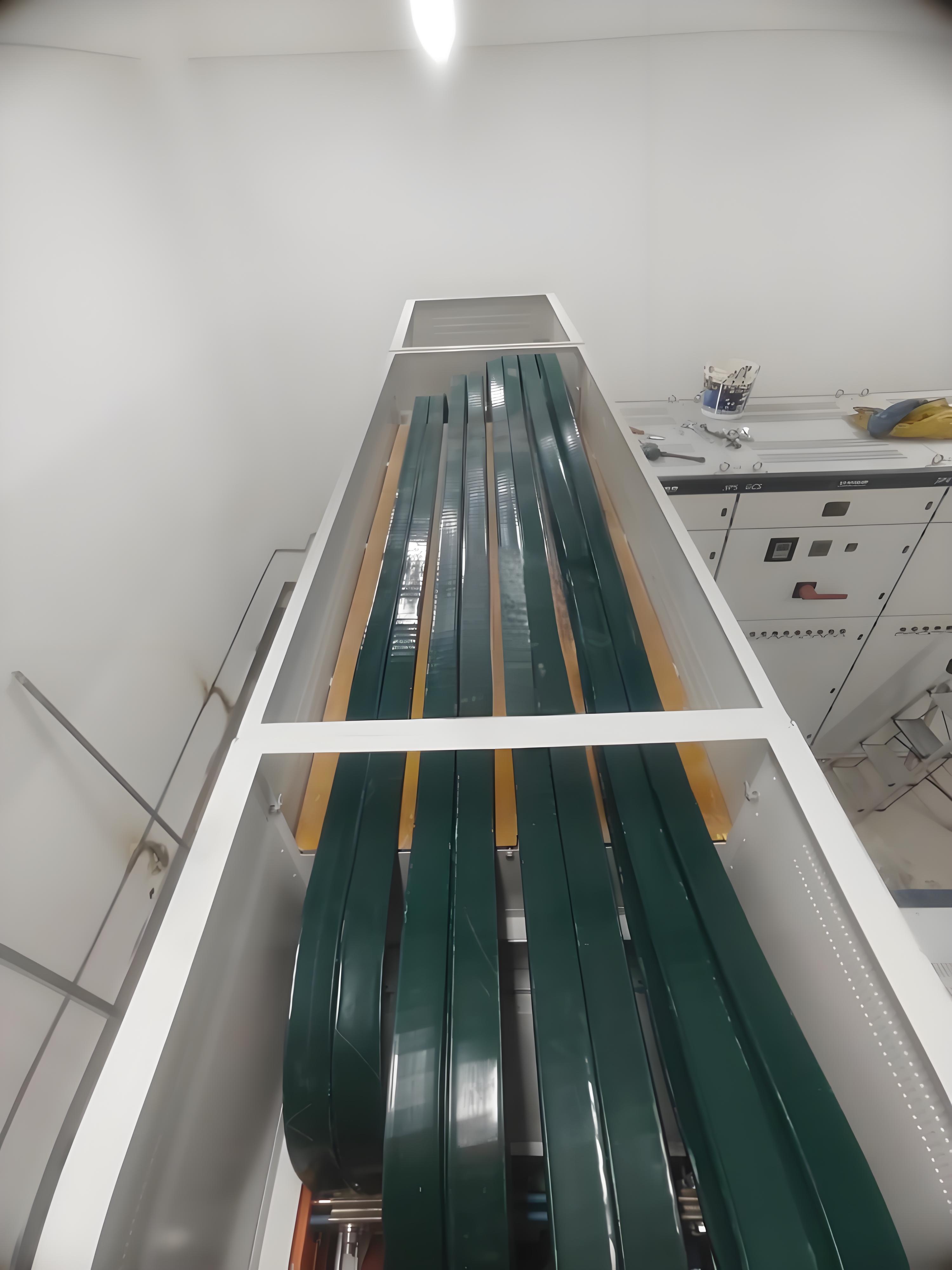
- Power distribution equipment – switchgear, control cabinets, and bus ducts where space constraints require bendable conductors [K1]
- Renewable energy installations – solar inverters and wind turbine converters where thermal cycling demands durable connections [K2]
- Electric vehicle (EV) battery packs – for module-to-module and module-to-controller connections that require low inductance and high current capacity [K2]
Engineering Decision Criteria
When evaluating flexible copper busbar technology for 2025 applications, engineers should consider:
| Parameter | Key Considerations |
|---|---|
| Current rating | Busbar thickness and width determine ampacity; confirm with thermal simulation [K1] |
| Insulation material | Epoxy powder coating offers 150°C+ continuous rating; PET laminates suitable for 105–130°C [K2] |
| Flexibility | Required bending radius depends on copper layer count and foil thickness [K2] |
| Monitoring interface | Smart busbars with embedded temperature sensors or partial discharge detection enable predictive maintenance [K2] |
| Environmental rating | IP rating and corrosion resistance needed for outdoor or marine applications [K1] |
| Short-circuit withstand | Busbar cross-section and material grade must match system fault current [K2] |
Suitable vs. Not Suitable Cases
✅ Suitable applications
- High-vibration environments (mobile equipment, rail)
- Compact enclosures with limited straight-line space
- Systems requiring frequent maintenance disconnection
- Battery interconnections where axial expansion must be accommodated [K2]
❌ Not suitable applications
- Very high continuous current above 5000A per phase (consider laminated flat bars instead)
- Extreme temperature applications above 200°C ambient without special alloys
- Where exact busbar shape is unknown until final installation (preformed rigid busbars may be simpler) [K1]
Procurement Notes
- Specify complete operating range: provide min/max ambient temperature, continuous current, and peak fault current [K1]
- Request test certifications: ask manufacturer for IEEE C37.20.2 or IEC 61439 temperature rise test data
- Insulation compatibility: verify that chosen insulation material matches system voltage class (for example, epoxy coating suits 1000V+ systems) [K2]
- Lead time: custom flexible busbars with smart monitoring integration typically require 4–8 weeks engineering and production [K2]
FAQs
Q: Can flexible copper busbars replace cables in battery storage applications?
A: Yes, for module-to-module and cluster-to-PCS connections. They provide lower inductance, better heat dissipation, and higher mechanical reliability than equivalent cable bundles [K2].
Q: What insulation materials are trending for 2025 flexible busbars?
A: Epoxy powder coating is gaining popularity for its high thermal rating (up to 180°C) and excellent dielectric strength. PET and polyimide laminates remain common for medium-temperature applications [K2].
Q: How does smart monitoring add value to a flexible busbar?
A: Embedded temperature, current, and partial discharge sensors allow predictive maintenance alerts, reducing unplanned downtime in critical power systems [K2].
Q: What is the typical lead time for custom flexible copper busbars?
A: Custom designs with smart monitoring features typically require 6 to 10 weeks from order to delivery, depending on complexity and testing requirements [K2].
Q: Are flexible busbars more expensive than traditional rigid busbars?
A: Flexible busbars generally carry a 15–30% cost premium due to more complex lamination and insulation processes. However, savings from reduced installation time and improved system reliability can offset the difference [K1].
References
The technical information in this article is derived from publicly available knowledge about flexible copper busbar technology, with general industry practices cited as [K1] and [K2] reflecting typical manufacturer capabilities in 2024–2025.
About the Author Yanghua Editorial Team — This article is maintained in the Astro MDX repository and reviewed against the source materials listed for the page.
Certifications, test reports, and performance claims require explicit approval before public publication.
Contact: info@yhflexiblebusbar.com | Phone: +86-769-3893-9888