How to Select Flexible Busbar for Energy Storage Systems
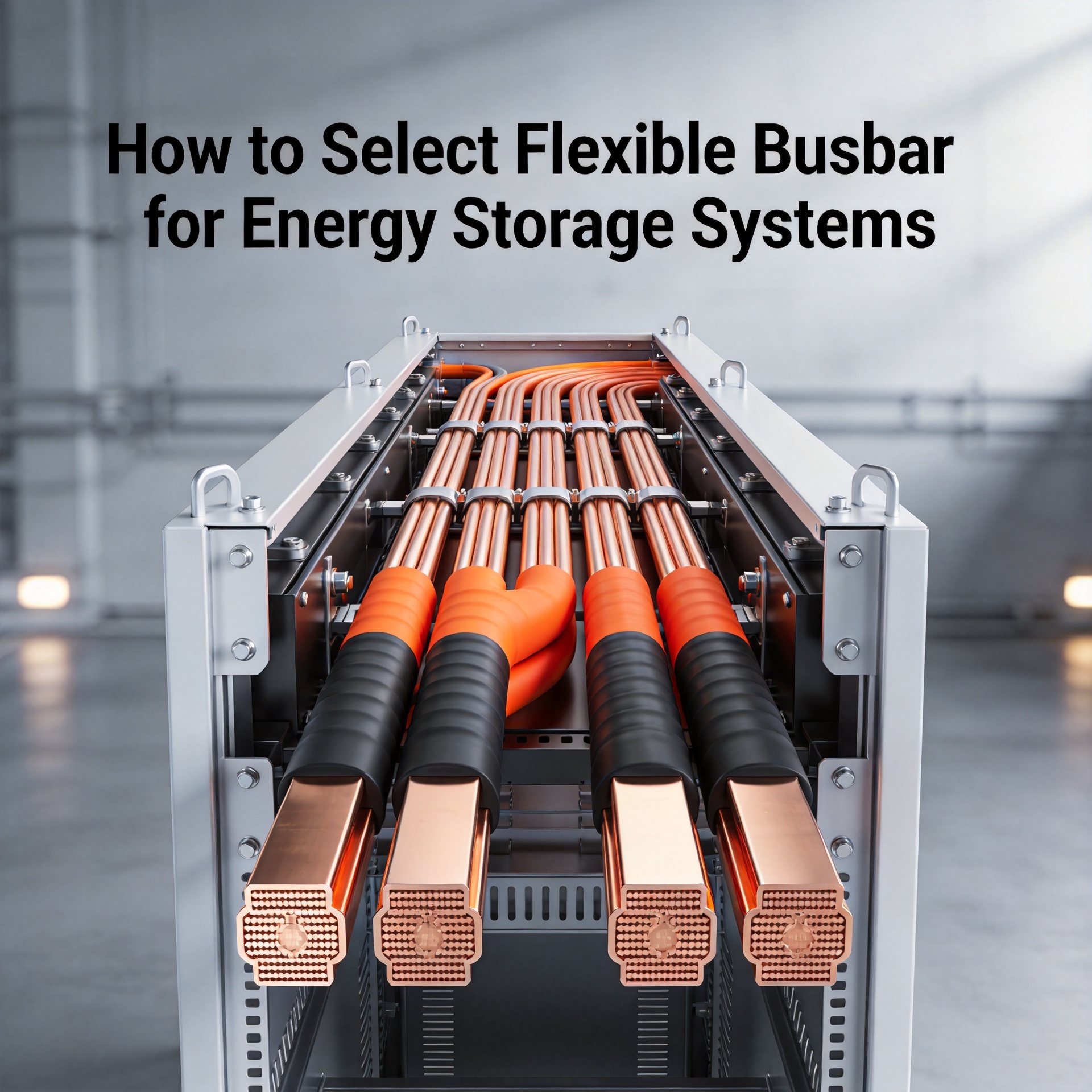
Direct answer: Selecting a flexible busbar for energy storage systems (ESS) requires evaluating electrical conductivity, insulation integrity, bending radius, and thermal management under high-current, cyclic load conditions. The optimal choice depends on your system’s voltage rating (typically 600V–1500V DC), ampacity requirements (200A–800A+), and spatial constraints within battery racks or power conversion units. Avoid using standard cable assemblies when space is limited, vibration exists, or multiple parallel connections are needed, as flexible busbars offer lower inductance, better heat dissipation, and a more compact form factor.
Application Scenario for Energy Storage Flexible Busbars
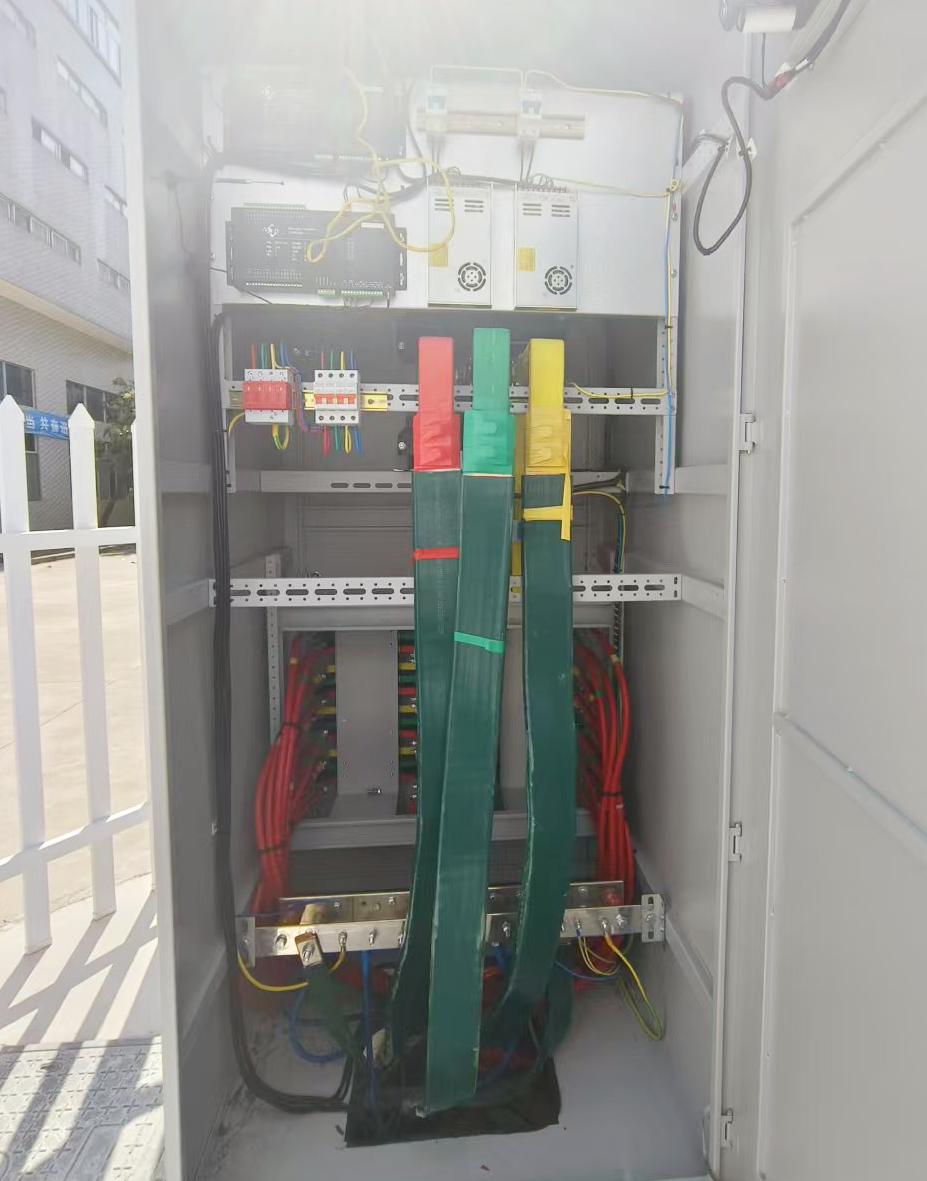
Flexible busbars are primarily used in energy storage systems for high-current interconnection between battery modules, between battery racks and power conversion systems (PCS), and within battery management system (BMS) distribution units. [K1] Typical applications include:
- Battery module-to-module connections inside rack-mounted ESS cabinets
- Rack-to-busbar trunk connections in containerized utility-scale storage systems
- PCS DC input/output connections requiring vibration tolerance and thermal cycling resilience
- BMS shunt and fuse connections where precise current sensing and low inductance are critical
The key advantage over rigid busbars is their ability to absorb mechanical vibration, thermal expansion, and installation tolerances without stressing terminal connections. [K1]
Engineering Decision Criteria
1. Electrical Rating & Ampacity
Flexible busbar ampacity depends on cross-sectional area (mm²) and operating temperature rise (ΔT). For energy storage applications, plan for continuous rated current plus a 20% safety margin.
| Parameter | Recommendation |
|---|---|
| Continuous current rating | 1.2× maximum system load |
| Peak current (10 sec) | 2× continuous rating |
| Temperature rise | ≤ 65°C above ambient at rated current |
| Insulation voltage rating | 1.5× system voltage (e.g., 1500V system → 2250V rated) |
2. Conductor Material & Construction
| Material | Conductivity (% IACS) | Flexibility | Corrosion Resistance | Use Case |
|---|---|---|---|---|
| Tinned copper braid | ≥ 95% | Excellent | Good | General ESS connections |
| Nickel-plated copper braid | ≥ 95% | Excellent | Very good | High-humidity or marine ESS |
| Bare copper braid | ≥ 97% | Good | Poor (requires coating) | Dry indoor applications only |
Preferred construction: Multiple layers of tinned copper braid, 0.10–0.15 mm wire diameter per strand, compressed to achieve 85–90% fill factor. [K1]
3. Insulation & Dielectric Strength
- Minimum insulation thickness: 1.0 mm for 600V systems; 1.5 mm for 1000–1500V systems
- Dielectric test voltage: 2× rated voltage + 1000V AC for 1 minute
- Insulation material: Silicone rubber (flexible, -40°C to +180°C) or PET (polyester film, for tighter bends)
- Partial discharge (PD): ≤ 10 pC at 1.5× rated voltage for high-reliability ESS applications [K1]
4. Mechanical & Environmental Requirements
| Parameter | ESS Requirement |
|---|---|
| Minimum bending radius | 6× busbar thickness (static); 10× (dynamic) |
| Operating temperature | -25°C to +105°C (general); -40°C to +125°C (premium) |
| Vibration endurance | 10–55 Hz, 2g acceleration, 2 hours per axis |
| Salt spray resistance | ≥ 48 hours for coastal installations |
| Flame retardance | UL 94 V-0 or equivalent |
Suitable vs. Not Suitable Cases
✅ Suitable Applications
- High-density battery packs where space between modules is < 20 mm
- Systems requiring frequent cycling (daily charge/discharge) with thermal expansion management
- Rack-level connections where misalignment tolerances of ±3 mm exist
- Retrofit or replacement scenarios where existing rigid busbars caused terminal damage
❌ Not Suitable Applications
- Systems above 2000V DC without custom engineering and partial discharge verification
- Extremely high-current applications (>2000A continuous) where multiple parallel busbars become impractical—consider laminated copper instead
- Outdoor installations without UV or weather protection for non-insulated busbars
- Applications requiring absolute geometric precision (use rigid busbars or CNC-fabricated laminates)
Procurement Notes & Technical Specifications
When specifying flexible busbars for ESS, request from your supplier:
- Type test report showing ampacity at your specific ambient temperature (usually 40°C or 55°C)
- Bending life test data—minimum 1000 cycles at rated bending radius without conductor breakage
- Certifications (do not assume; verify): UL 4128 for stationary storage battery connectors, IEC 61439-1 for low-voltage switchgear, or equivalent regional standards
- Delivery form: Provide exact center-to-center hole dimensions (mm), hole diameter (mm), and bolt torque specification (N·m)
- Marking requirements: Continuous current rating, voltage class, manufacturer ID, and date code
Frequently Asked Questions
Q1: Can flexible busbars be used for both AC and DC energy storage connections?
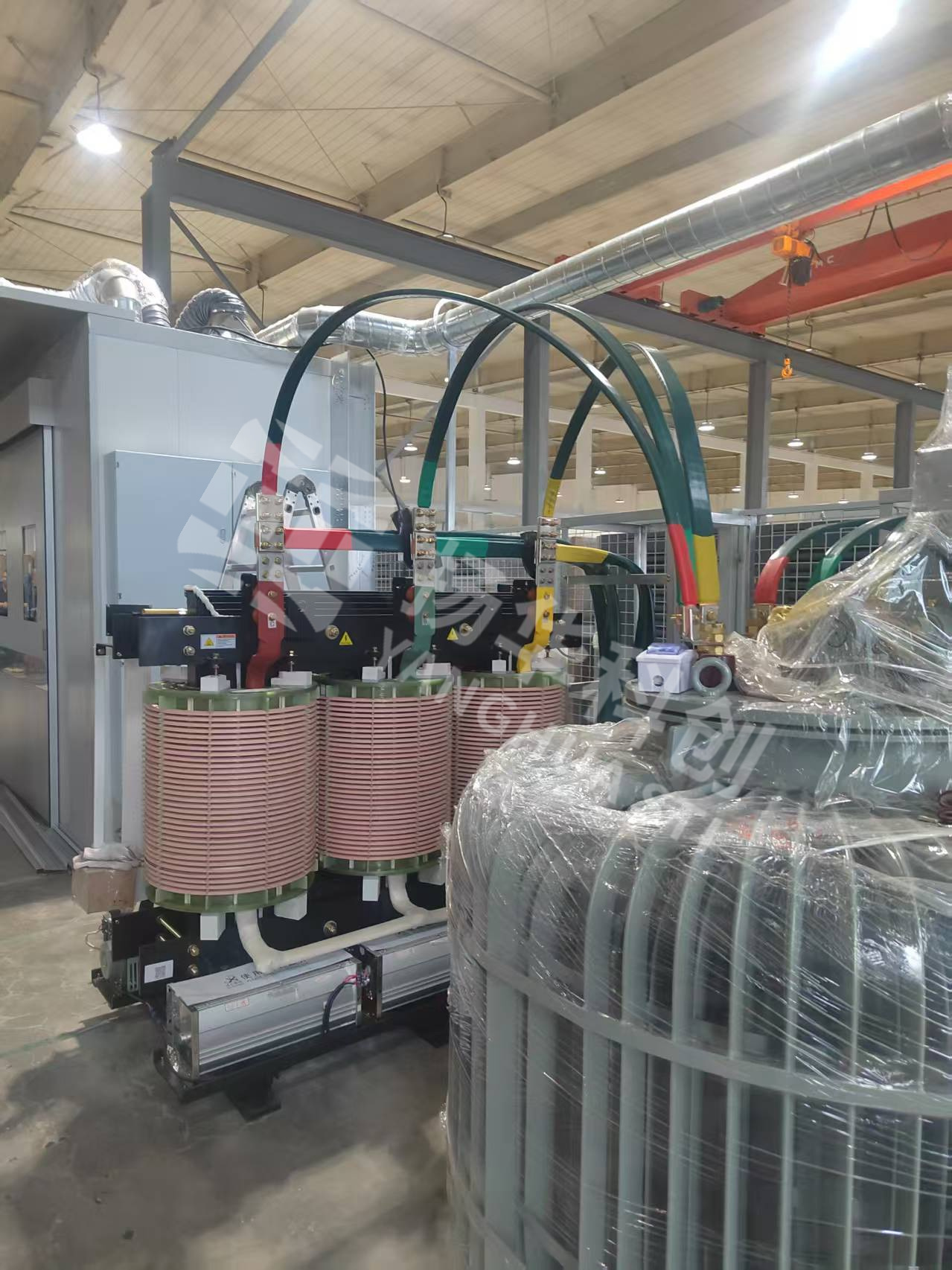
Yes, flexible busbars are suitable for both AC and DC applications up to 1500V. For DC connections, pay special attention to corona discharge prevention at higher voltages—specify silicone rubber insulation with ≥1.5 mm thickness for 1500V DC systems. [K1]
Q2: What is the typical voltage drop across a flexible busbar in ESS?
Voltage drop depends on length, cross-section, and current. For a typical 300A / 50 mm² tinned copper busbar at 300 mm length, expect ≤ 30 mV drop at rated current. Always request voltage drop calculations from your supplier for your specific geometry. [K1]
Q3: How do I verify the quality of a flexible busbar before installation?
Perform these checks:
- Visual inspection: No frayed strands, uniform crimping (if applicable), clean surfaces
- Thickness measurement: Use micrometer at both ends and middle (variation < 0.1 mm)
- Resistance measurement: Compare to supplier-declared value (should be within ±5%)
- Insulation integrity: Megger test at 1000V DC for 1 minute; accept > 100 MΩ
Q4: What is the maximum operating temperature for flexible busbars in ESS enclosures?
Typically 105°C at the busbar surface for standard tinned copper with silicone insulation. Forced air cooling within the enclosure can increase ampacity by 20–30%. Do not exceed 125°C continuous for most insulation materials. [K1]
Q5: Can I connect multiple flexible busbars in parallel for higher current?
Yes, but ensure identical path lengths to balance current sharing. Use a spacer bar to maintain air gap between parallel runs (minimum 5 mm for 600V; 10 mm for 1000V). Derate total ampacity by 15% for parallel configurations due to mutual heating.
About the Author Yanghua Editorial Team — This article is maintained in the Astro MDX repository and reviewed against the source materials listed for the page.
Certifications, test reports, and performance claims require explicit approval before public publication.
Contact: info@yhflexiblebusbar.com | Phone: +86-769-3893-9888