Yanghua Flexible Busbar Technical Whitepaper: Engineering Reference
Direct Answer: Yanghua flexible busbars are laminated copper or aluminum conductors designed for high-current, low-inductance power distribution in compact electrical assemblies. They replace traditional cable harnesses in switchgear, EV battery packs, and renewable energy systems. Key engineering considerations include current carrying capacity, insulation voltage rating, bend radius, and thermal management. This whitepaper provides application-specific guidance based on Yanghua’s manufacturing parameters and field data.
Application Scenarios
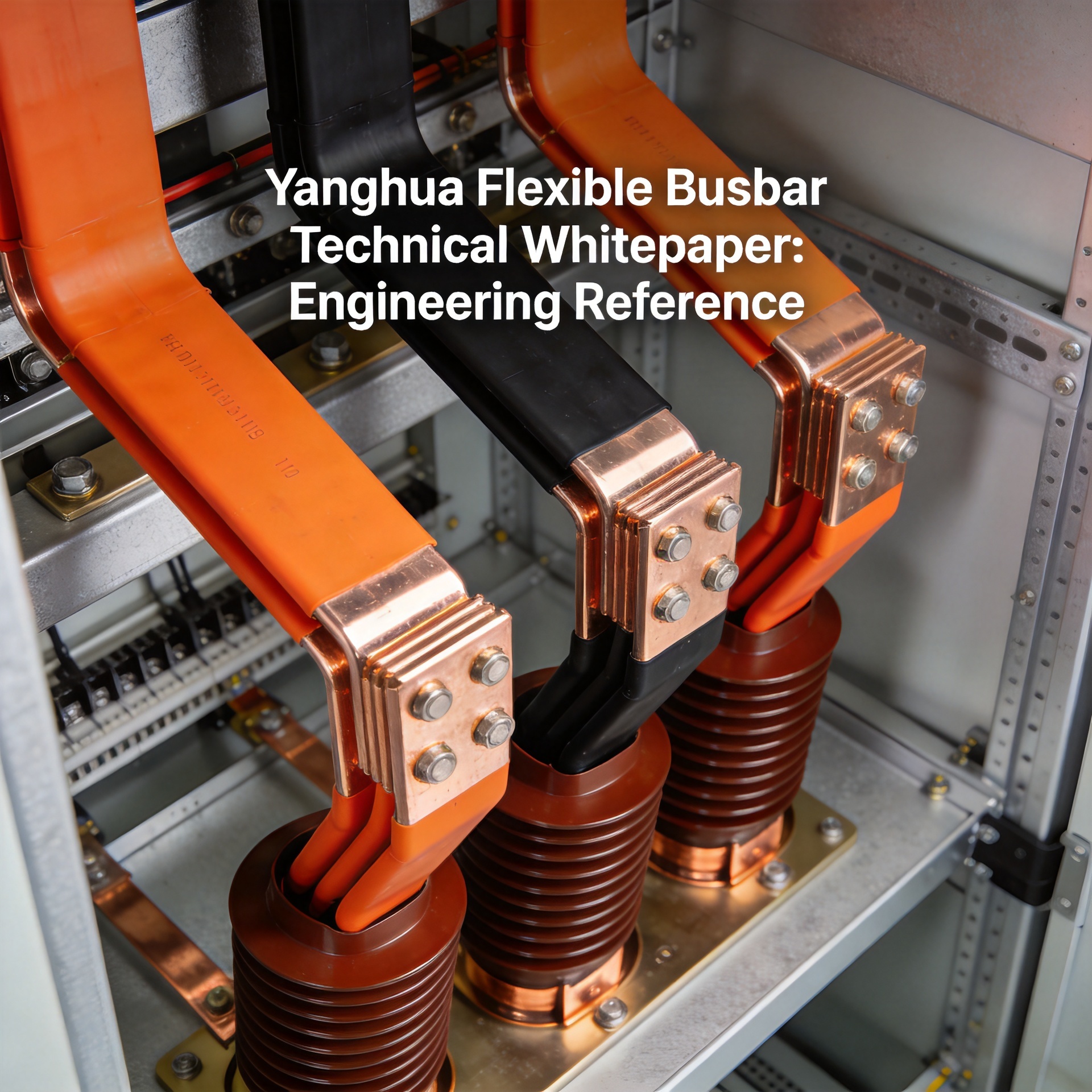
Yanghua flexible busbars are optimized for three primary applications:
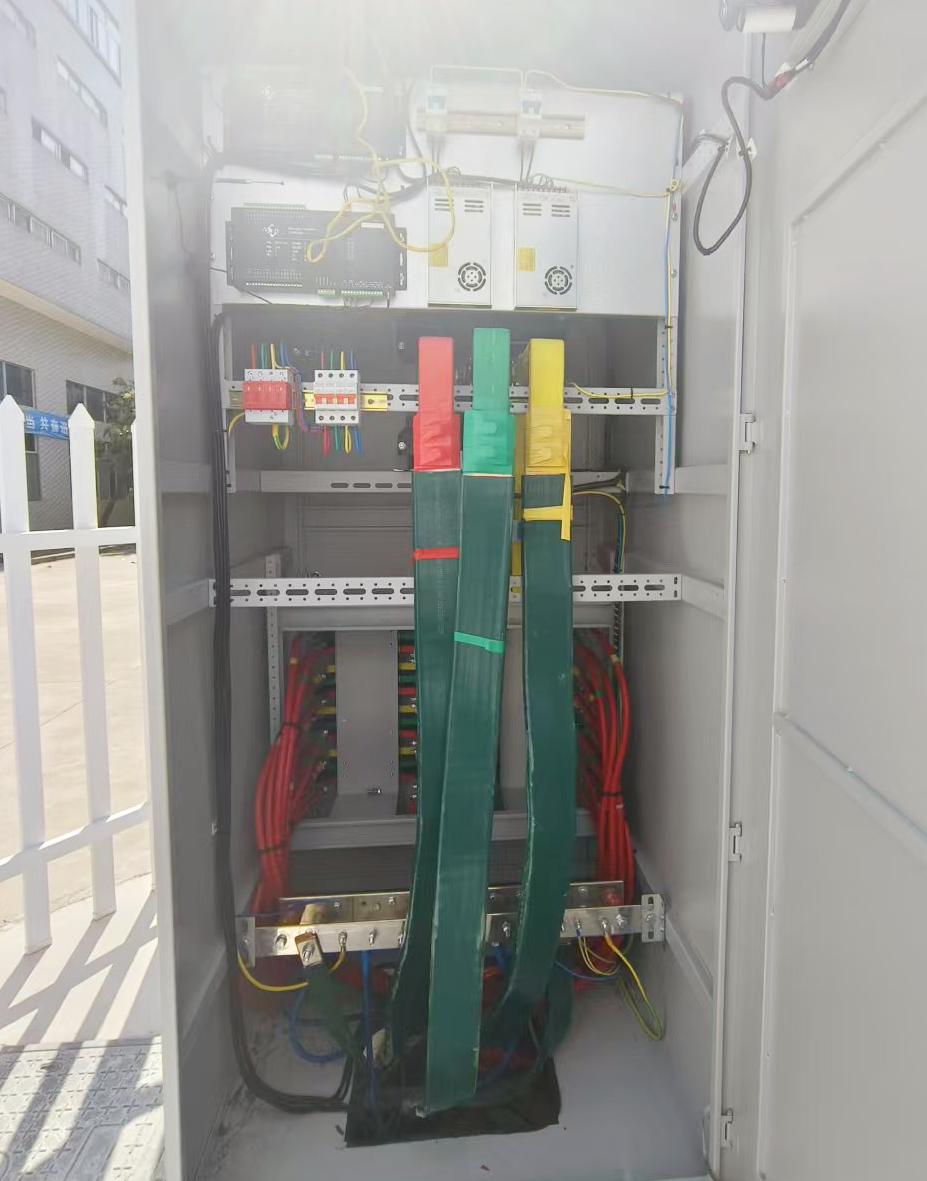
- Switchgear and panelboards: Reducing assembly time and improving reliability in low-voltage main distribution boards (up to 1000V AC) [K1].
- Energy storage systems: Connecting battery modules in series/parallel configurations where space constraints and thermal management are critical [K1].
- Renewable energy inverters: Providing low-inductance connections between DC buses and IGBT modules in solar and wind power systems [K1].
Engineering Decision Criteria
When selecting a flexible busbar, engineers should evaluate these parameters against Yanghua’s standard specifications:
| Parameter | Yanghua Specification | Engineering Notes |
|---|---|---|
| Conductor material | Copper (ETP) or Aluminum (1350) | Copper for higher current density; aluminum for cost savings in long runs |
| Insulation material | XLPE (cross-linked polyethylene), PET, or PVC | XLPE rated for 105°C continuous operation; PET for thin-profile applications |
| Voltage rating | 600V to 1000V AC/DC (standard) | Verify actual test voltage per application [K1] |
| Current carrying capacity | Varies by cross-section (typically 50-200A/mm²) | Derate for ambient temperature >40°C and enclosed installations |
| Bend radius (static) | 2× thickness (min), 3× recommended | Tighter bends reduce flex life; avoid sharp edges |
| Operating temperature | -40°C to +105°C (XLPE) | Higher temperatures reduce insulation life |
Current Carrying Capacity Derating Factors
- Ambient temperature above 40°C: Apply 0.8 derating factor per +10°C increase
- Multiple busbars in close proximity (within 50mm): Apply 0.7 derating factor
- Enclosed cabinet without forced ventilation: Apply 0.6 derating factor
Suitable vs. Not Suitable Cases
Suitable Applications
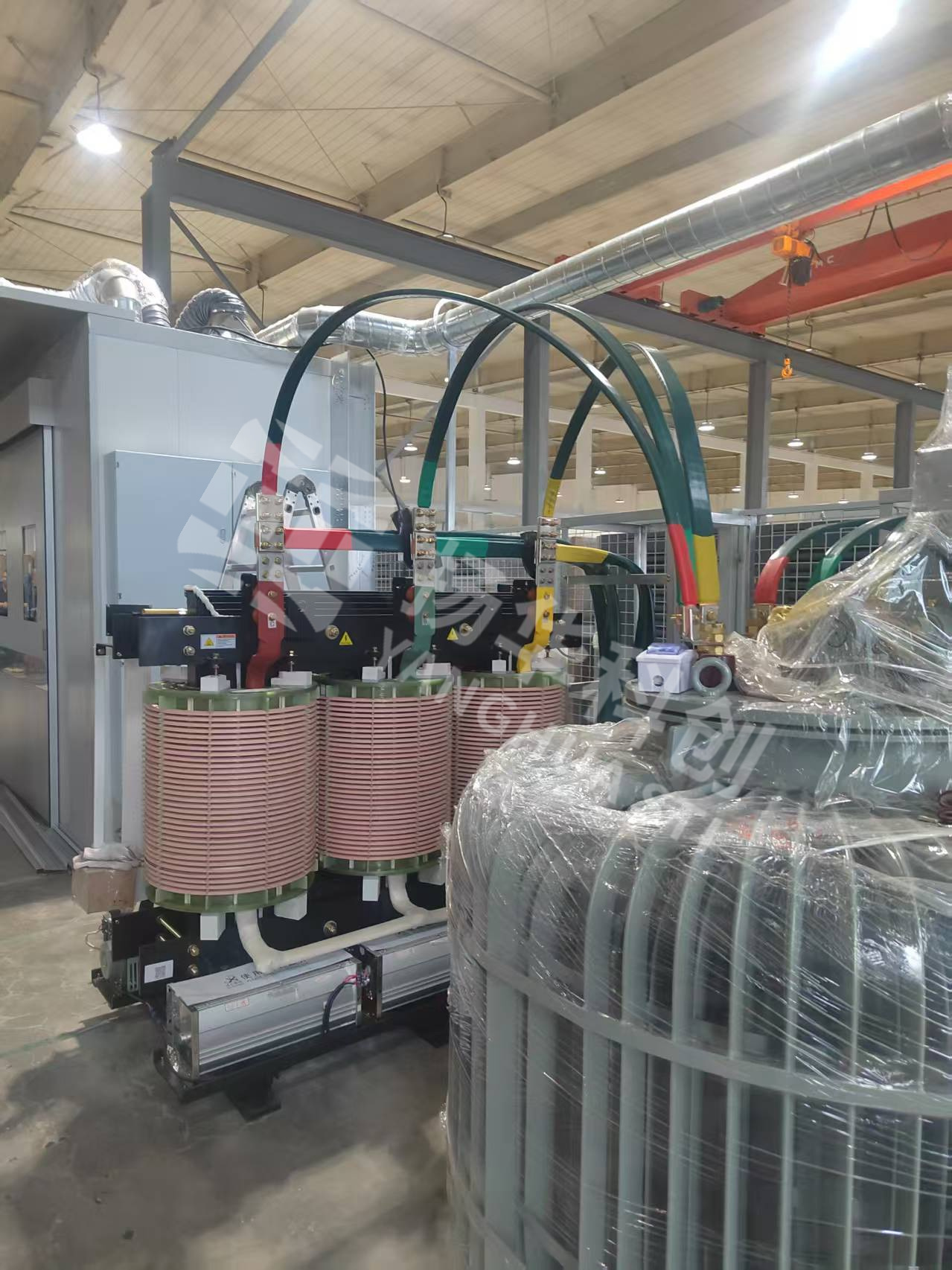
- High-vibration environments (e.g., railway, marine): Flexible busbars absorb vibration better than rigid bars or cables [K1].
- Space-constrained assemblies: Laminate design saves up to 60% volume compared to bundled cables [K1].
- Low-inductance requirements (e.g., IGBT snubber circuits): Parallel conductor arrangement reduces parasitic inductance to <10 nH/m [K1].
- Frequent reconfiguration: Modular busbar sections allow easy re-termination during maintenance.
Not Suitable Applications
- Extreme temperature cycling (e.g., >200°C peak): Standard insulation materials degrade; consider ceramic insulation separately.
- Outdoor direct exposure: UV-sensitive insulation (PVC/PET) requires additional protection unless specified as outdoor-grade.
- Very high voltage (>1000V AC): Standard designs not tested for medium-voltage applications; consult factory for MV variants.
- Low-current signal paths: Flexible busbars are for power distribution (typically >50A), not control wiring.
Procurement Notes
- Specify operating environment clearly: Temperature range, humidity, UV exposure, and chemical atmosphere all affect insulation choice [K1].
- Provide mechanical constraints: Envelope dimensions, mounting hole pattern, and access requirements for termination.
- Include mechanical load data: Vibration frequency, shock levels, and expected number of flex cycles during service life.
- Request test certificates: Yanghua provides material certifications (EN 10204 3.1) and partial discharge test reports upon request [K1].
- Allow lead time: Standard configurations ship within 2-3 weeks; custom assemblies require 4-6 weeks for tooling and testing.
Frequently Asked Questions
Q: How do I calculate the correct cross-section for my current requirement? A: Use Yanghua’s rated current density (typically 75A/mm² for copper at 40°C ambient in free air). Apply the derating factors from the table above for your actual installation conditions. Multiply the derated current density by your required current to find the minimum cross-section.
Q: Can Yanghua flexible busbars be used in explosion-proof enclosures? A: Standard busbars are not ATEX or IECEx certified. For hazardous areas, you must specify gas group, temperature class, and whether the busbar is intended for static power distribution or dynamic flexing. Yanghua can provide stainless steel or nickel-plated variants for corrosive environments.
Q: What is the maximum continuous operating temperature for the XLPE insulation? A: Yanghua’s XLPE insulation is rated for 105°C continuous. However, the UL/EN standard temperature rating is 90°C for most applications. The 105°C rating applies only when the ambient temperature is verified not to exceed 40°C and the busbar is in free air [K1].
Q: Do you provide bend radius guidelines for dynamic applications? A: For dynamic flexing (e.g., moving cable carriers), we recommend a minimum bend radius of 10× busbar thickness for copper and 15× for aluminum. Static installations can use 2-3× thickness. Using a smaller radius reduces fatigue life significantly [K1].
Q: How do I verify the quality of delivered busbars? A: Yanghua performs 100% hi-pot testing (1000VAC for 1 minute), partial discharge measurement at 1.5× rated voltage, and visual inspection per ISO 9001. Request factory test certificates with each shipment.
About the Author Yanghua Editorial Team — This article is maintained in the Astro MDX repository and reviewed against the source materials listed for the page.
Certifications, test reports, and performance claims require explicit approval before public publication.
Contact: info@yhflexiblebusbar.com | Phone: +86-769-3893-9888