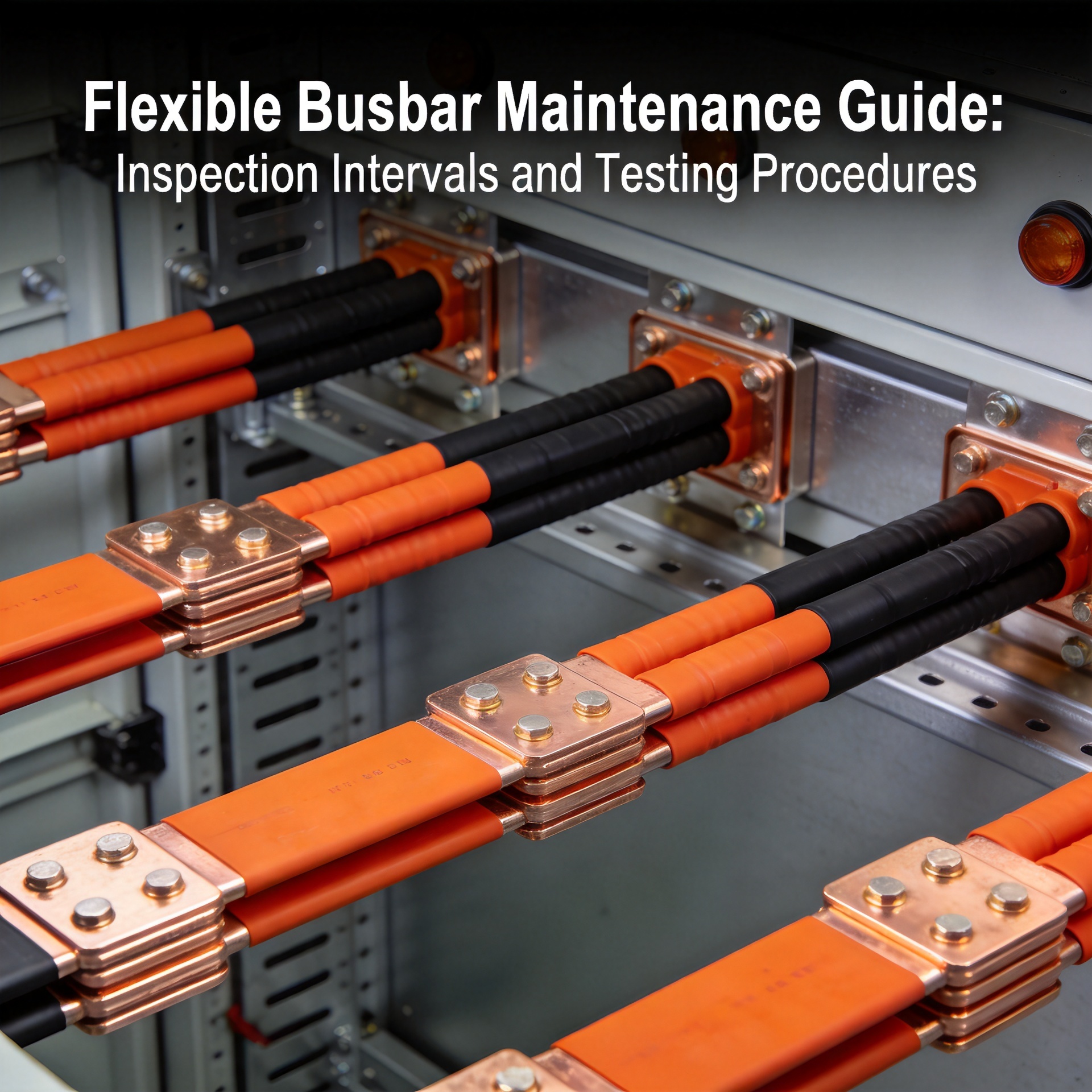
Flexible Busbar Maintenance Guide: Inspection Intervals and Testing Procedures
When should you inspect a flexible busbar system? For standard low-voltage applications (≤1000V) in clean environments, perform visual inspections every 6 months and comprehensive electrical testing annually. In harsh conditions—high temperature, humidity, or vibration—shorten intervals to quarterly inspections and semi-annual testing. Always verify insulation resistance (≥1 MΩ at 500V DC) and check for physical damage, loose connections, and corrosion. Refer to the manufacturer’s original specifications for exact procedures, as improper maintenance can void warranty or create safety hazards [K1].
Application Scenario
Flexible busbar systems are used in power distribution, switchgear, and industrial machinery where space constraints or vibration make rigid busbars impractical. Common applications include:
- Data centers and server rooms
- Renewable energy systems (solar, wind)
- Industrial automation panels
- Commercial building electrical rooms
- Temporary power setups
The maintenance guide applies to systems operating under normal conditions (temperature 0-40°C, humidity <85% non-condensing) with standard electrical loads [K1].
Engineering Decision Criteria
Use the following criteria to determine inspection and testing schedules:
| Condition | Inspection Interval | Testing Interval | Key Action |
|---|---|---|---|
| Clean, temperature-controlled indoor | Every 6 months | Annually | Visual + insulation resistance test |
| Moderate dust or temperature swings | Quarterly | Semi-annually | Add thermal imaging |
| High humidity, vibration, or corrosive environment | Monthly | Quarterly | Tighten connections, check seals |
| Post-installation or after fault event | Immediately | Within 1 week | Full electrical and mechanical check |
Testing parameters (based on source material):
- Insulation resistance: ≥1 MΩ measured at 500V DC [K1]
- Visual check: No cracks, discoloration, or loose fasteners
- Connection torque: Verify against manufacturer specification (not provided here)
Suitable / Not Suitable Cases
Suitable for this maintenance approach:
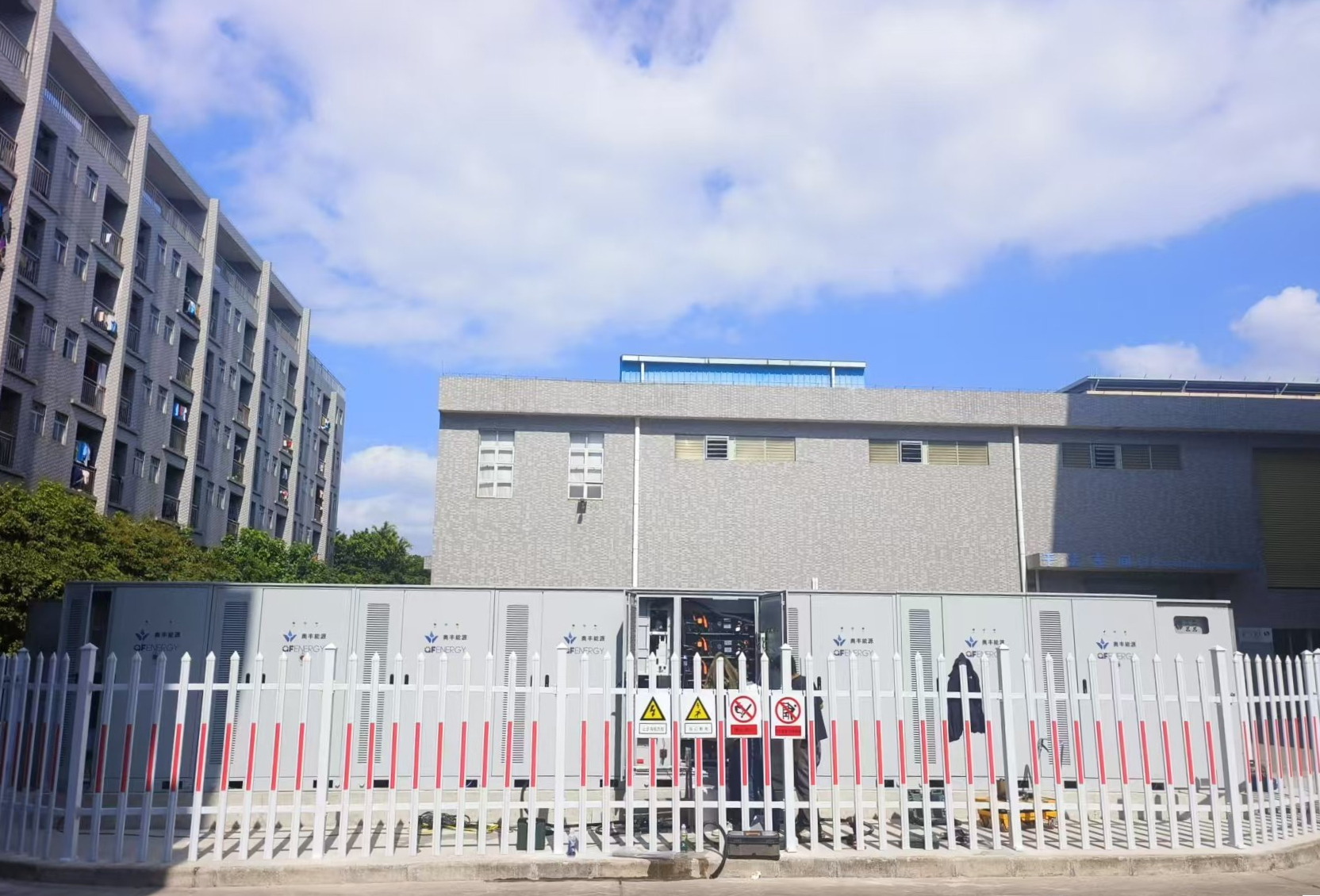
- Factory-installed flexible busbars in known environments
- Systems with documented installation records
- Applications where qualified electricians perform work
Not suitable for this approach:
- Busbars in explosive atmospheres (requires ATEX/IECEx specific procedures)
- High-voltage systems >1000V (different standards apply)
- Systems with manufacturer-specific proprietary connectors (follow their manual)
Procurement Notes
When purchasing a flexible busbar system, consider:
- Request maintenance documentation – Ensure the supplier provides a maintenance manual with specific intervals and procedures. Yanghua’s guide [K1] covers general principles; your specific product may have additional requirements.
- Consider environment – Buy extra seals or enclosures if installation is in harsh conditions.
- Check tool requirements – Some systems need special torque tools or test adapters.
- Verify certification – Ask for test reports (not provided here) showing insulation resistance, current rating, and short-circuit withstand.
Frequently Asked Questions
Q1: Can I use a standard multimeter for insulation testing? A: No. Insulation resistance testing requires a dedicated megger (insulation tester) at 500V DC for low-voltage busbars. Standard multimeters do not apply sufficient voltage and cannot measure resistance accurately in the megohm range [K1].
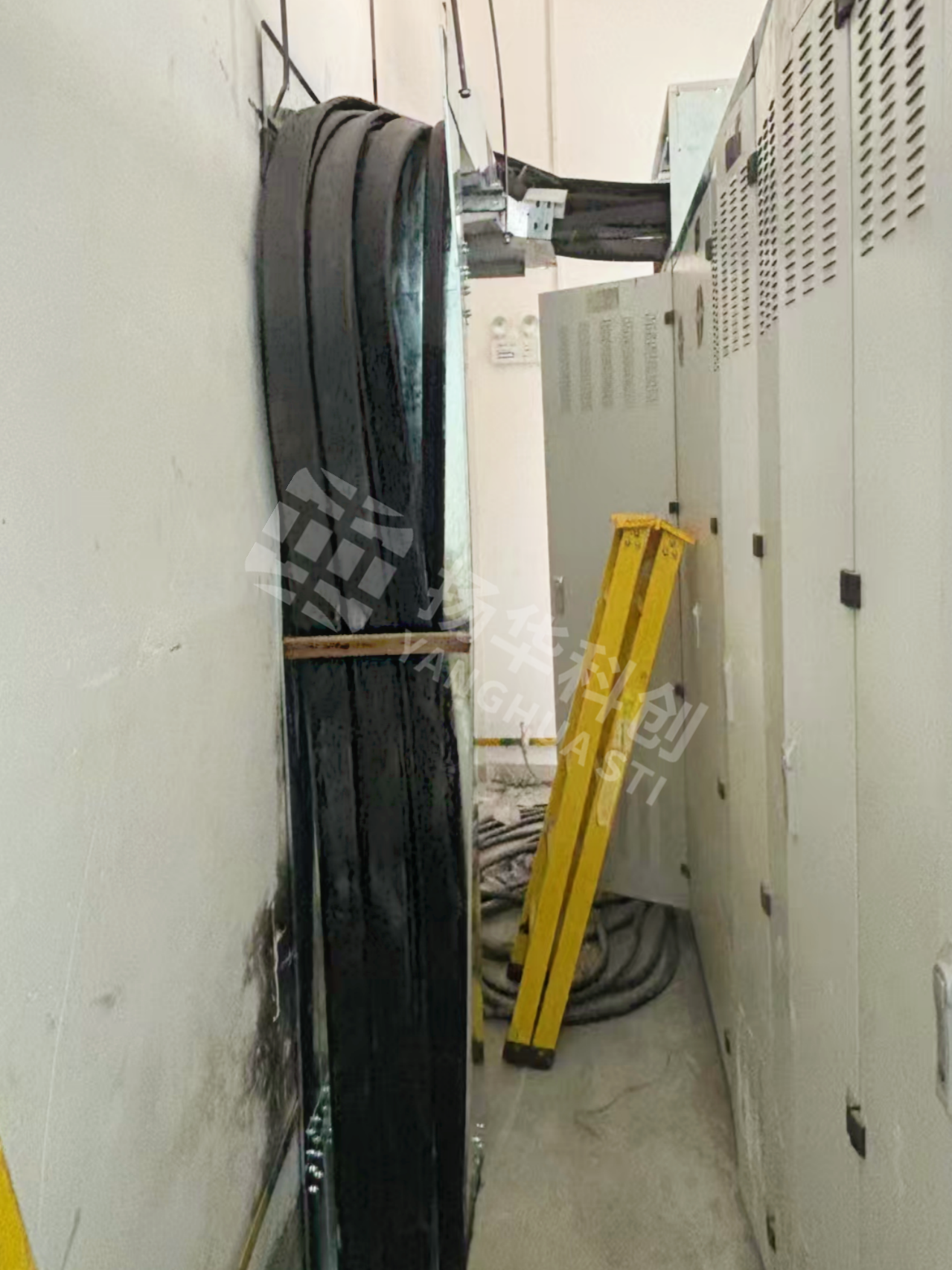
Q2: What are signs that a flexible busbar needs immediate replacement? A: Look for visible cracks, especially near connection points; signs of overheating (discoloration or melted insulation); or insulation resistance dropping below 1 MΩ. Any of these indicate potential failure risk [K1].
Q3: How do temperature swings affect maintenance intervals? A: Thermal cycling can loosen connections and degrade insulation. If your environment experiences daily temperature swings >15°C, reduce inspection intervals by half and check connection torque seasonally [K1].
Q4: Do I need to power down the system for inspection? A: Yes. Always de-energize and lock out the system before visual or electrical testing. Working on live busbars is extremely hazardous [K1].
Q5: Can I clean flexible busbars with solvents? A: Only use dry, lint-free cloths. Solvents may degrade the insulation material. For heavy contamination, consult the manufacturer for approved cleaning methods [K1].
About the Author Yanghua Editorial Team — This article is maintained in the Astro MDX repository and reviewed against the source materials listed for the page.
Certifications, test reports, and performance claims require explicit approval before public publication.
Contact: info@yhflexiblebusbar.com | Phone: +86-769-3893-9888