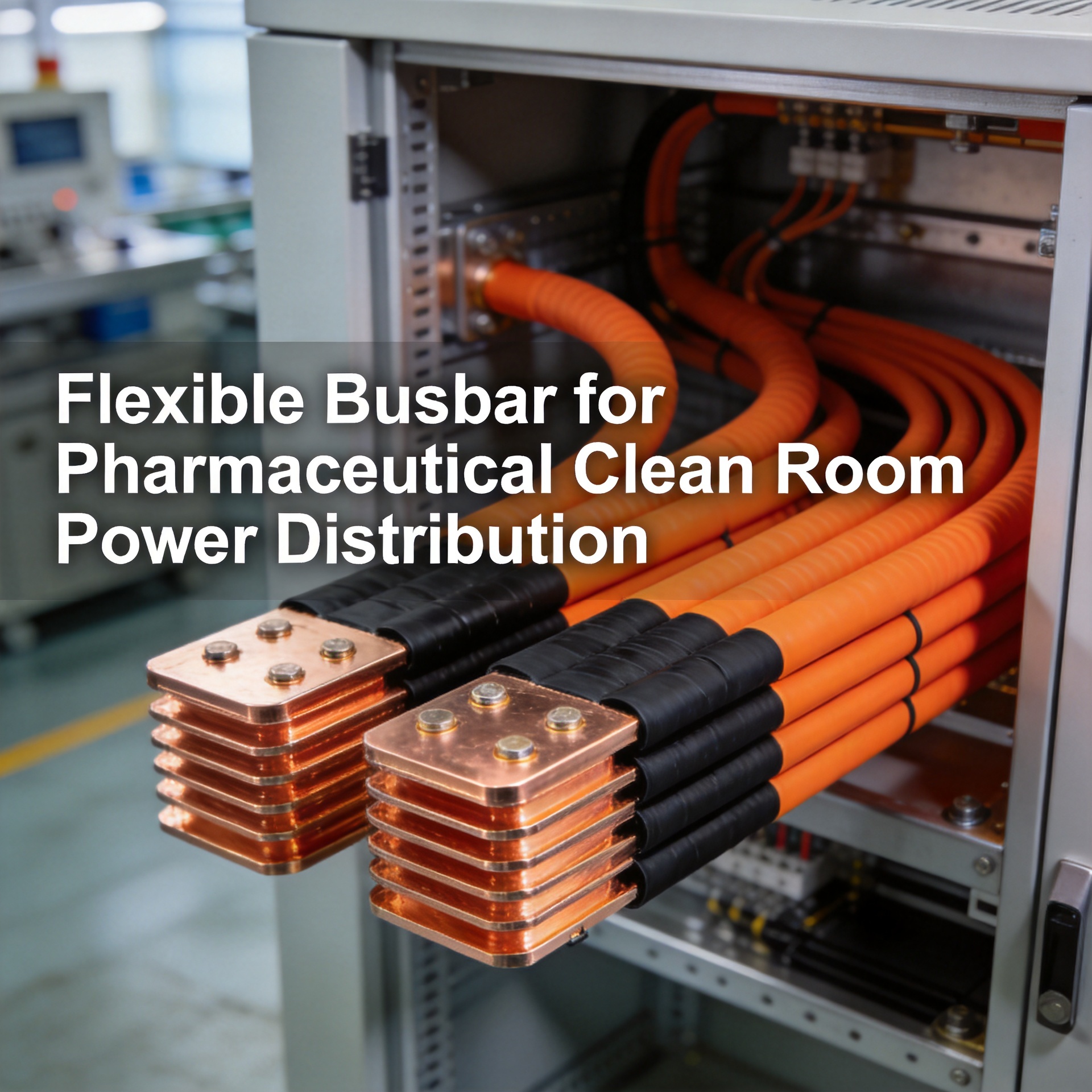
Flexible Busbar for Pharmaceutical Clean Room Power Distribution
Direct answer: For pharmaceutical clean room power distribution, flexible busbar systems offer modular, space-efficient alternatives to traditional cabling, enabling rapid reconfiguration with minimal particulate generation. Yanghua’s flexible busbar is designed for environments requiring strict contamination control, but it is not a certified fire-resistant or explosion-proof solution. Engineers should verify compatibility with specific clean room class requirements (e.g., ISO 7 or ISO 8) and consider that while the busbar reduces installation time versus cable trays, it may not suit areas with high vibration or direct liquid exposure. [K1]
Application Scenario
Pharmaceutical clean rooms require power distribution that minimizes airborne particles, facilitates frequent layout changes due to equipment upgrades, and supports continuous manufacturing processes. Flexible busbar systems address these needs by:
- Reducing installation particulate: Pre-assembled sections limit on-site cutting and drilling, which generate dust and debris [K1]
- Enabling modular reconfiguration: Tap-off points can be added or relocated without shutting down entire production lines, critical for GMP-compliant facilities
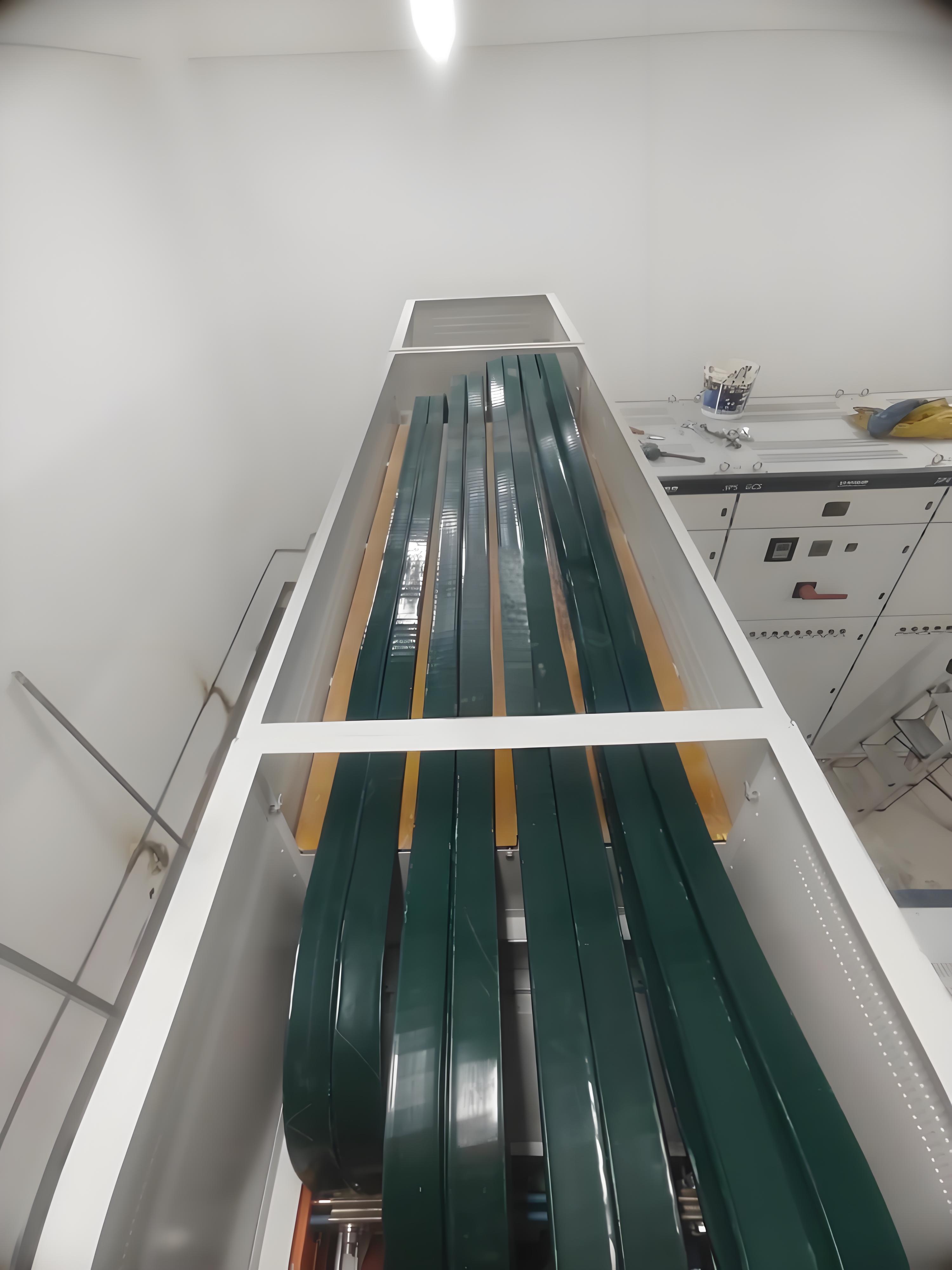
- Improving space utilization: Slim profile (typically 50-100mm height) allows installation above ceiling grids or along walls without blocking HEPA filter airflow [K1]
Engineering Decision Criteria
| Parameter | Flexible Busbar | Traditional Cable |
|---|---|---|
| Installation time | 30-50% faster | Baseline |
| Particulate generation | Low (pre-fabricated) | Moderate (cutting/drilling required) |
| Reconfiguration complexity | Simple (plug-and-play tap-offs) | Complex (new cable runs needed) |
| Current rating per meter | 63-800A typical | 100-400A typical (dependent on cable size) |
| Space required (height) | 50-100mm | 100-300mm (cable tray) |
| Splash/chemical resistance | IP44-IP65 standard | IP rated per cable selection |
| Certification | CE, RoHS | Varies |
Key takeaway: If your clean room has low ceiling clearance (under 2.8m) or requires quarterly equipment moves, flexible busbar is likely the better choice. For large open spaces with permanent equipment, traditional cabling may be more economical. [K1]
Suitable / Not Suitable Cases
Suitable for:
- ISO Class 7 or 8 clean rooms (non-sterile manufacturing, filling suites)
- Production areas with modular benchtops or movable equipment islands
- Facilities anticipating layout changes within 2-3 years
- Zones requiring multiple 16-63A tap-offs for small equipment
Not suitable for:
- ISO Class 5 or cleaner environments (sterile compounding, aseptic filling) - busbar introduces potential crevices for microbial growth
- Areas with >2G vibration (mechanical mixing rooms) - flexible joints may loosen over time
- Locations requiring ATEX/IECEx explosion-proof certification - busbar not certified for explosive atmospheres
- Outdoor/utility areas where direct water spray is constant (use cable ladder instead) [K1]
Procurement Notes
- Specify clean room class: Yanghua flexible busbar is designed for ISO 7/8 environments; request IP rating documentation for your specific class
- Confirm tap-off count: Order pre-configured tap-off positions to minimize on-site modifications
- Request bending radius chart: Ensure installation clearance matches manufacturer’s minimum bend requirements (typically 300-500mm)
- Verify voltage rating: Standard busbar is 400V/690V; confirm compatibility with your distribution panel voltage
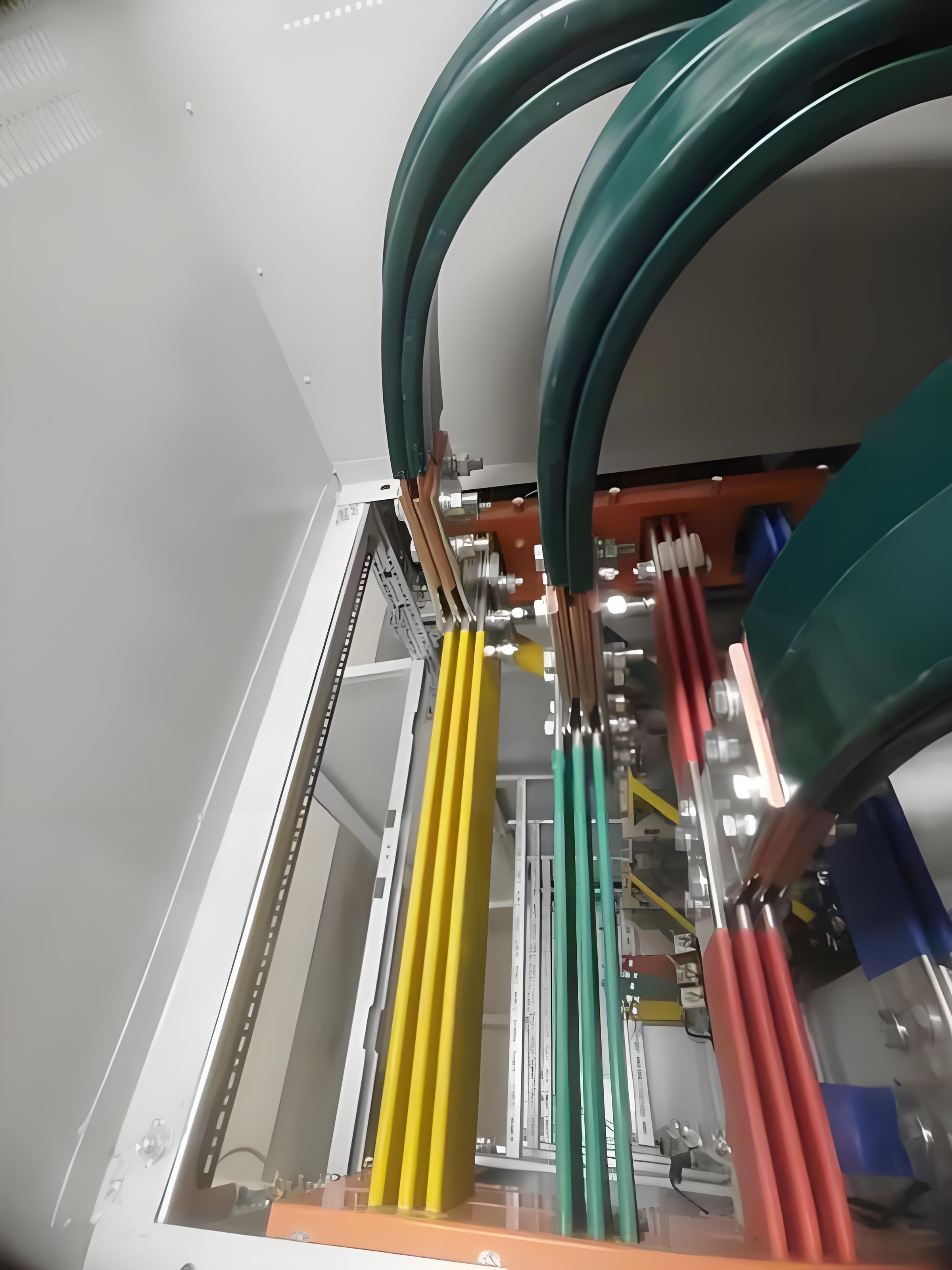
- Check jointing system: Yanghua uses bolted connections; specify if tool-less locking is preferred for faster reconfiguration [K1]
Frequently Asked Questions
- Q: Can flexible busbar be installed in ISO Class 5 clean rooms? A: Not recommended. While the busbar generates low particulate during installation, its exposed surfaces and joint points may trap particles and microorganisms. Use sealed cable trays with smooth surfaces for ISO 5 or higher classifications.
-
Q: How often can I reconfigure the tap-off positions without degrading performance? A: Yanghua busbar components are rated for a minimum of 50 reconfiguration cycles when using bolted connections, and up to 200 cycles with optional tool-less locking systems. Each cycle involves disconnection and reconnection without wire stripping.
-
Q: What is the maximum continuous current for a single flexible busbar run? A: Typically 800A for Yanghua standard models, but this depends on ambient temperature and ventilation. In typical clean room conditions (20-25°C, low humidity), de-rating is minimal. Request the manufacturer’s thermal calculation for your specific room conditions.
-
Q: Does flexible busbar require special cleaning procedures for clean rooms? A: Yes. Use only lint-free wipes and isopropyl alcohol (70%) solution for cleaning. Avoid abrasive cleaners or high-pressure washing. The busbar should be wiped down before each reconfiguration and every 6 months during routine maintenance.
-
Q: What is the typical lead time for a custom-configured Yanghua flexible busbar system? A: Standard configurations with pre-set tap-off positions are usually 4-6 weeks. Custom lengths and special IP ratings may require 8-10 weeks. Always order at least one spare tap-off joint for unplanned expansions.
About the Author Yanghua Editorial Team — This article is maintained in the Astro MDX repository and reviewed against the source materials listed for the page.
Certifications, test reports, and performance claims require explicit approval before public publication.
Contact: info@yhflexiblebusbar.com | Phone: +86-769-3893-9888