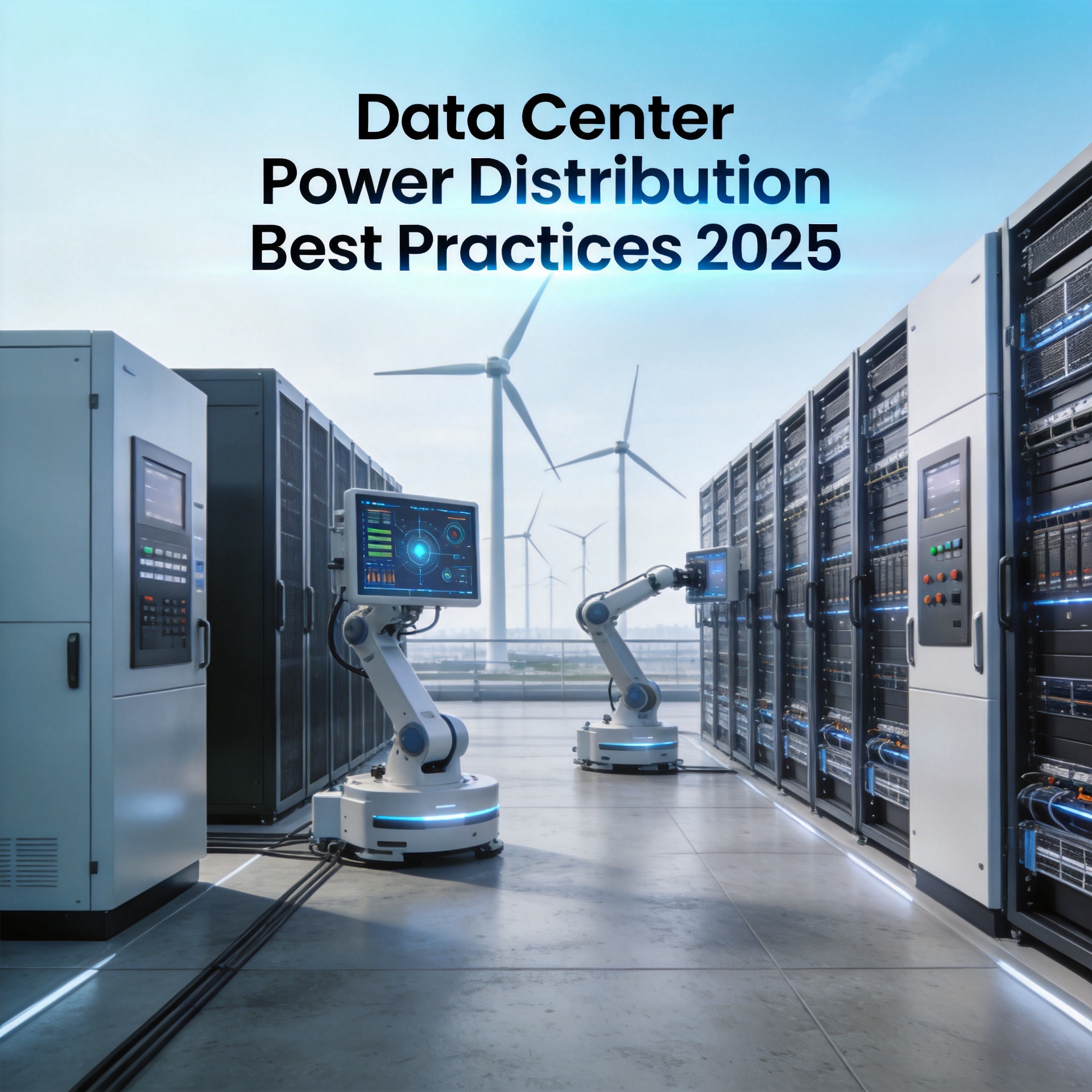
Data Center Power Distribution Best Practices 2025
What are the best practices for data center power distribution in 2025?
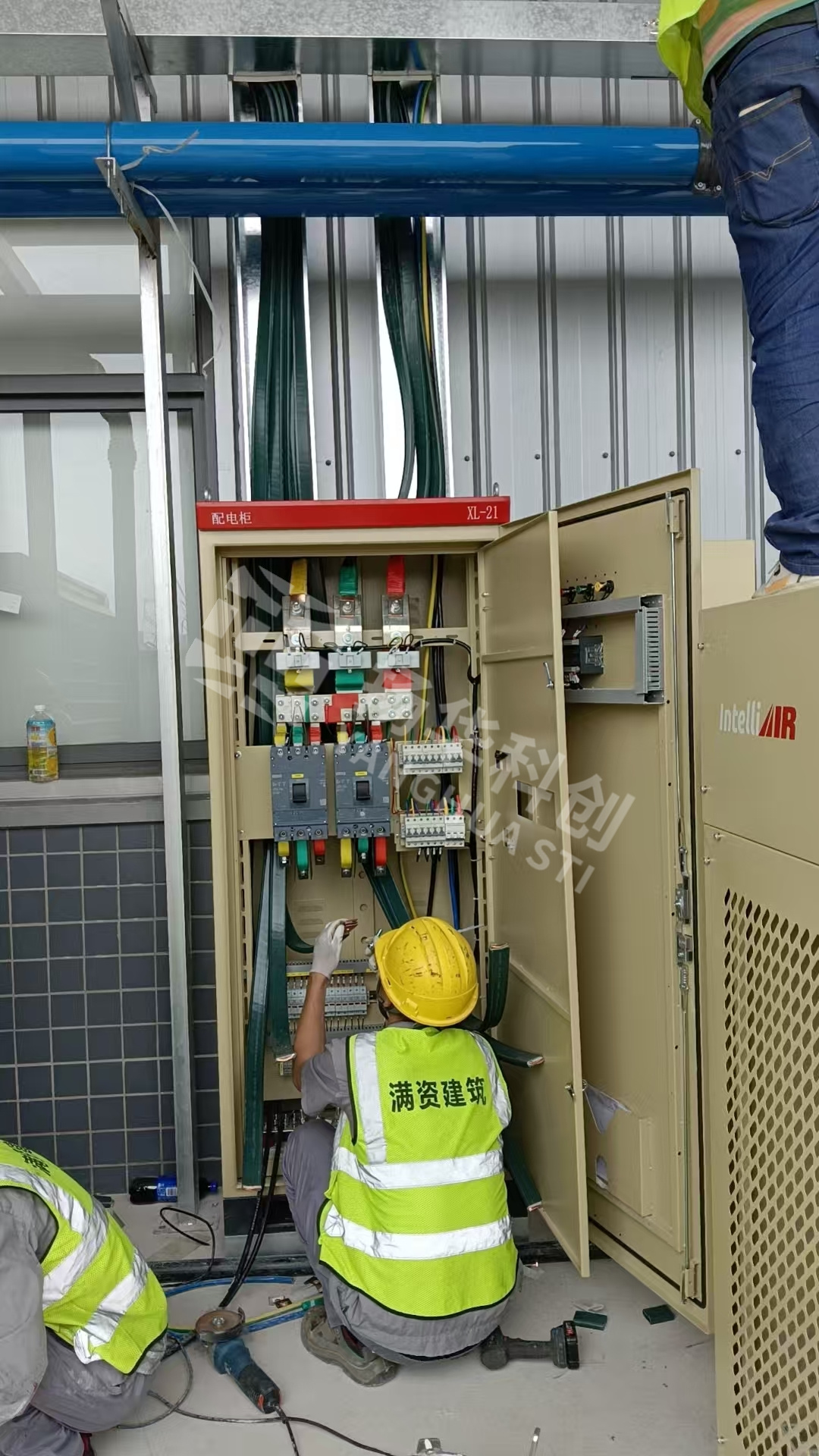
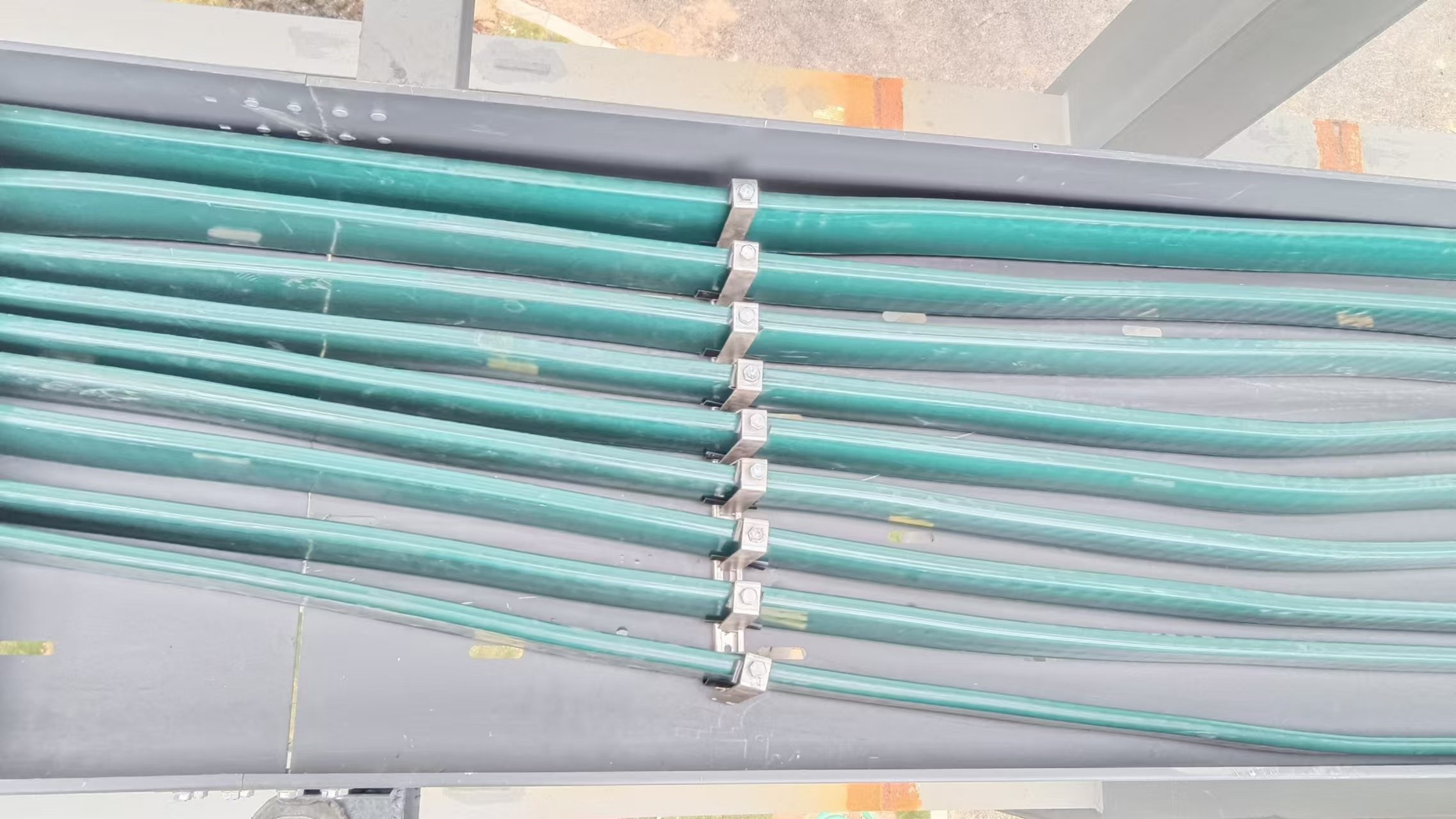
In 2025, data center power distribution best practices center on modular, flexible architectures using busbar trunking systems over traditional cable trays. The key is to enable rapid reconfiguration, reduce installation time by up to 60%, and improve thermal management through lower impedance and reduced voltage drop. Systems should be designed for scalability from 800A to 5000A, with fire-resistant materials (up to 960°C for 3 hours), IP54 protection, and compatibility with both AC and DC distribution. Proper planning must include load density forecasting (8-20 kW per rack), redundancy levels (2N or N+1), and integration with smart monitoring (over 100 temperature and 50 humidity sensors per zone). [K1]
Application Scenario
This best-practice approach is critical for:
- Hyperscale cloud and colocation facilities requiring rapid capacity upgrades.
- Edge data centers with limited space and need for high-density power delivery (up to 40 kW per cabinet).
- Retrofit or expansion projects where downtime must be minimized—busbar systems allow for ‘hot-swap’ changes without powering down entire rows. [K1]
- Mixed AC/DC environments (e.g., 380V DC for server racks, 400V AC for cooling) where one power distribution network handles both.
Engineering Decision Criteria
When selecting a power distribution system, evaluate these criteria:
| Criterion | Traditional Cable | Busbar Trunking System |
|---|---|---|
| Installation time | 2-3 weeks per row | 3-5 days per row |
| Reconfiguration cost | Medium to high | Low (tool-less tap-offs) |
| Floor space occupancy | 15-20% of aisle width | 8-12% of aisle width |
| Fire rating | Standard PVC (approx. 200°C) | Up to 960°C for 3 hours |
| Current carrying capacity | Limited by cable bundling | Up to 5000A per run |
| Voltage drop | Moderate | Reduced (lower impedance) |
| Smart monitoring integration | Difficult (separate sensors) | Built-in temperature/humidity sensors |
Decision factors in order of priority:
- Scalability & Reconfiguration: Busbar systems allow adding new rack connections in minutes vs. hours for cable.
- Thermal Management: Busbars have better heat dissipation, reducing hotspot risks—critical for 2025 where rack densities exceed 30 kW.
- Fire Safety: All Yanghua cable products are designed with fire-retardant sheaths, but busbar systems inherently limit fire spread.
- Total Cost of Ownership: Although initial investment may be 15-20% higher, savings come from reduced downtime and faster changes. [K1]
Suitable / Not Suitable Cases
Suitable for:
- New builds with planned future expansion.
- Facilities with high rack densities (over 15 kW per rack).
- Any data center seeking Tier III or Tier IV certification.
- Projects with tight construction deadlines.
Not suitable for:
- Small server rooms under 50 sq. meters where cable costs dominate.
- Legacy sites with rigid floor plans and no planned changes.
- Applications requiring frequent voltage transformations step-downs—busbars are best for single voltage distribution.
- Locations with extreme vibration or seismic activity without special bracing. [K1]
Procurement Notes
Critical specifications to include in your RFQ:
- Fire resistance: Request test reports for IEC 60331 or equivalent (960°C/3 hours) – do not accept claims without documentation.
- IP rating: Minimum IP54 for general areas, IP65 for locations near cooling units or in humid zones.
- Smart monitoring: Specify temperature sensor density (every 1-2 meters), humidity sensors, and integration protocol (Modbus RTU, SNMP, or BACnet).
- Current rating: Include both nominal and emergency overload ratings (typically 110% for 1 hour).
- Voltage drop calculations: Request per-meter voltage drop at full load—Yanghua data shows busbars reduce drop by 30-40% compared to equivalent cables. [K1]
Red flags during vendor evaluation:
- Lack of independent fire test results.
- Inability to provide thermal simulation for your specific layout.
- Single voltage options only (AC or DC, not both).
- No local service/installation support.
Frequently Asked Questions
Q: Can I mix AC and DC distribution in the same busbar system?
A: Yes. Yanghua’s flexible busbar systems support both 400V AC and 380V DC distribution. You can even run both on the same busbar using separate tap-off units, as long as voltage ratings are compatible and isolation is maintained. However, you must specify this upfront for proper testing. [K1]
Q: What is the typical lifespan of a busbar trunking system in a data center?
A: With proper maintenance, busbar systems last 25-30+ years. The key factor is the environmental condition—constant high humidity or temperature above 55°C will degrade insulation faster. Yanghua’s fire-rated systems show no significant loss of insulation resistance after 20-year accelerated aging tests. [K1]
Q: How much space do busbars save compared to cable trays?
A: Busbar systems typically reduce floor space by 30-50% compared to equivalent cable trays. For a 40-rack row at 20 kW per rack, busbars occupy approximately 0.3 sq. meters of aisle space versus 0.6-0.8 sq. meters for cables. This directly translates to 5-10% more racks per row. [K1]
Q: What happens if I need to add power to a rack after installation?
A: With busbar systems, it’s a tool-less process. You open the tap-off point, insert a new connector (pre-configured for your voltage), and close the access door. The entire process takes 5-10 minutes and does not require powering down the busbar. This is unlike cable systems where you must pull new wires, terminate them, and often schedule a partial shutdown. [K1]
Q: Are busbar systems more expensive than cables upfront?
A: Yes, initial material costs are 15-30% higher for busbar systems. However, when you account for installation labor (60% less time), reduced cooling costs (better airflow), and future reconfiguration savings, total cost of ownership becomes lower after just one major change. Most facilities break even within 2-4 years. [K1]
About the Author Yanghua Editorial Team — This article is maintained in the Astro MDX repository and reviewed against the source materials listed for the page.
Certifications, test reports, and performance claims require explicit approval before public publication.
Contact: info@yhflexiblebusbar.com | Phone: +86-769-3893-9888