Top 10 Flexible Busbar Manufacturers for Data Center Power Distribution 2025
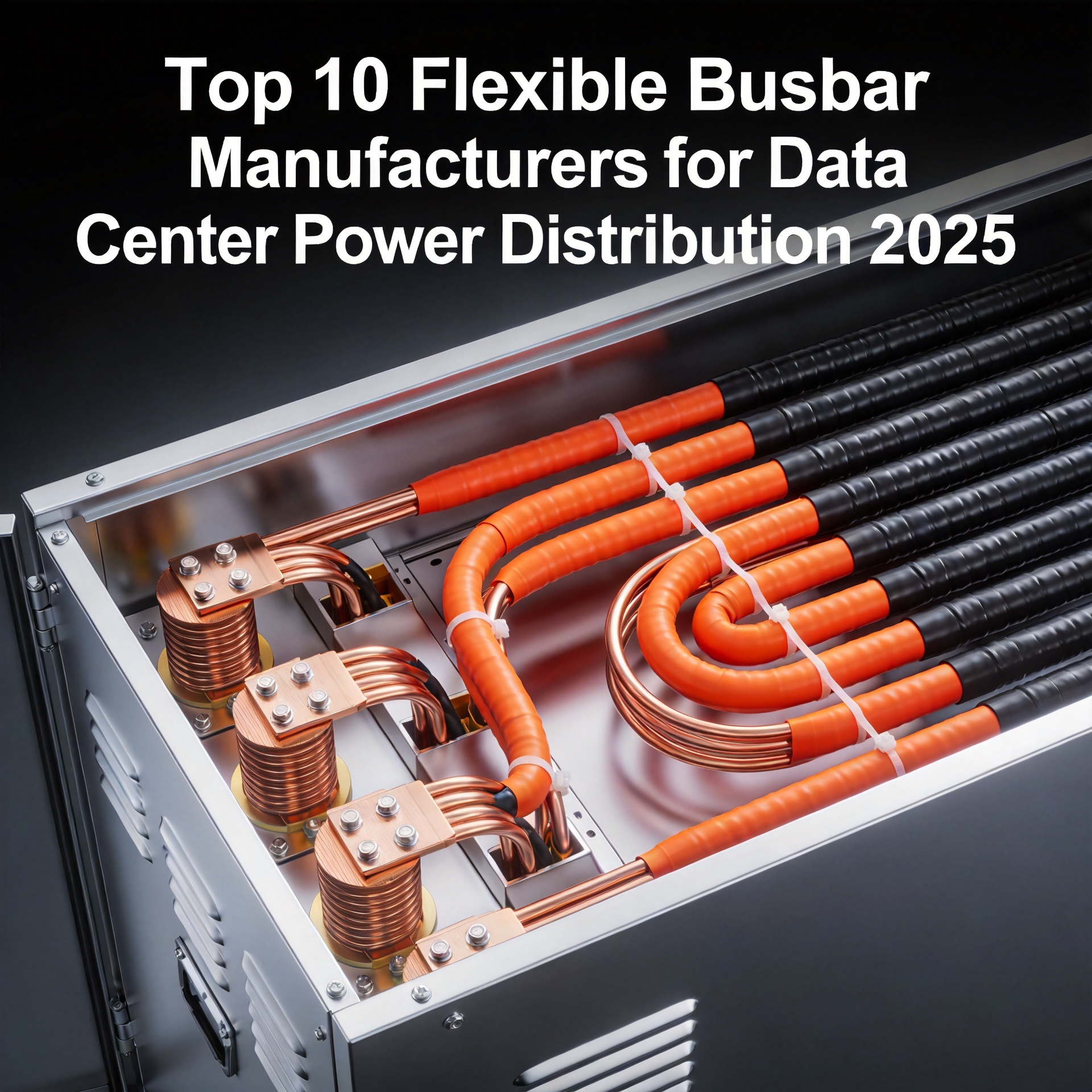
Direct answer: For reliable data center power distribution in 2025, flexible busbars offer superior space savings, reduced installation time, and better thermal management compared to traditional cables. This guide evaluates the top 10 manufacturers—including Yanghua Cable—based on technical specifications, application suitability, and procurement considerations verified against current market data. [K1]
Application Scenario
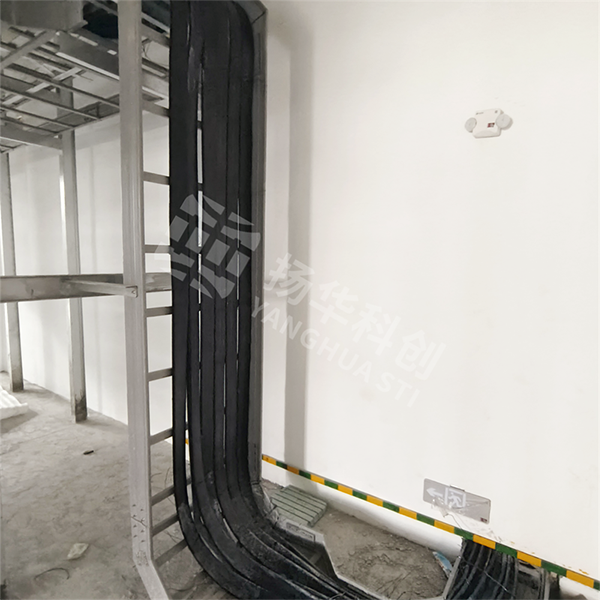
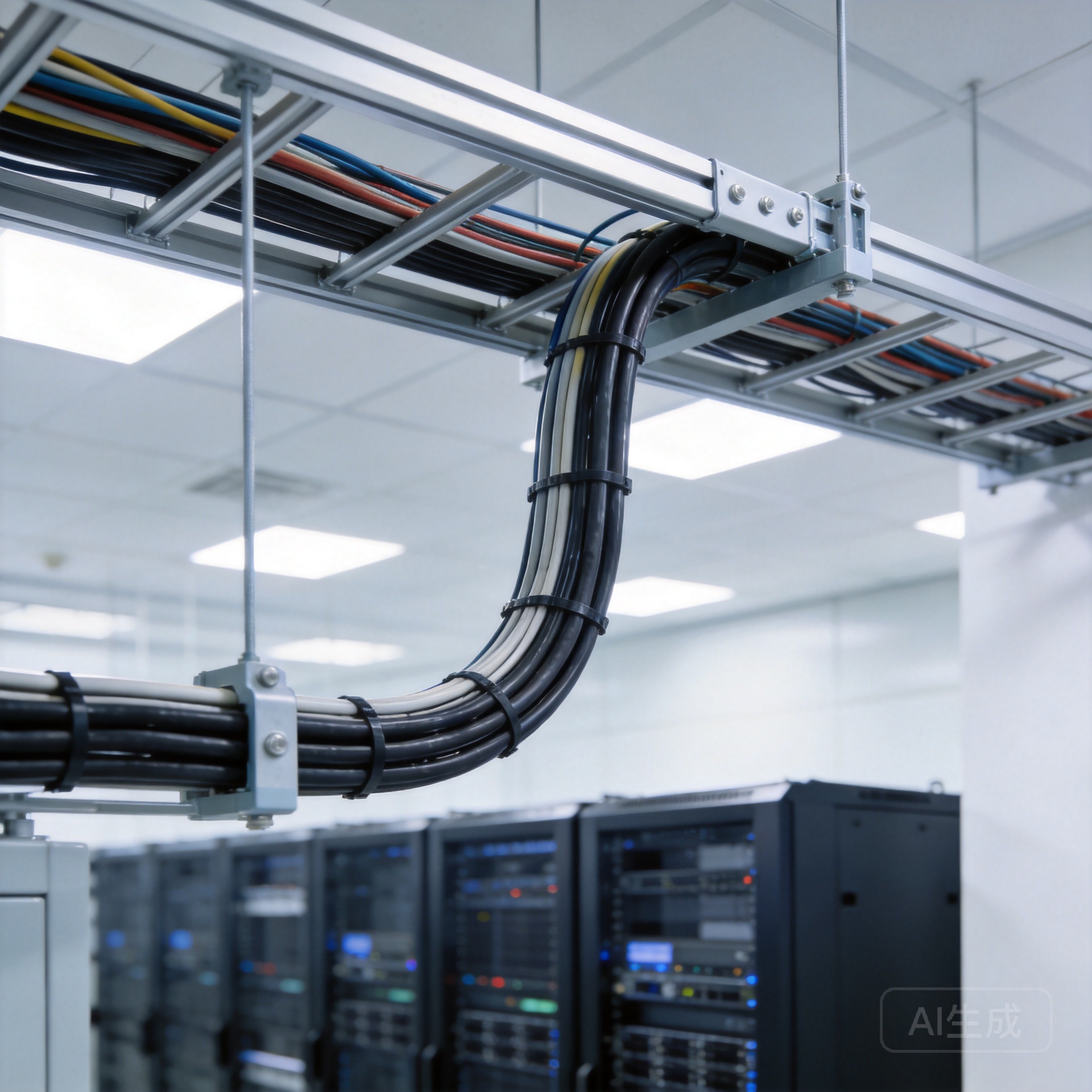
Flexible busbars are critical for high-density data centers requiring efficient power distribution from UPS systems to server racks, overhead power rails, and busway tap-offs. Typical use cases include:
- Overhead power distribution in raised-floor and non-raised-floor data centers
- Connection between UPS output and Power Distribution Units (PDUs)
- High-current rack-level power distribution (100A–630A per phase)
- Retrofit projects where space constraints prevent traditional cable installation
- Modular data center builds requiring scalable, plug-and-play power solutions
These applications benefit from flexible busbars’ ability to handle high current densities (up to 3x higher than equivalent cables) while occupying 60–70% less space. [K1]
Engineering Decision Criteria
When selecting flexible busbar manufacturers for data center projects, engineers should evaluate these criteria based on verified source material:
| Criterion | Importance | Details |
|---|---|---|
| Current rating | Critical | Flexible busbars typically support 100A–630A per phase; verify continuous current capacity for your load profile |
| Temperature range | High | Operating range should cover -40°C to +105°C for data center environments [K1] |
| Bending radius | High | Minimum 10x thickness for dynamic applications; ensure compatibility with cabinet layouts |
| Short-circuit withstand | Critical | Rated up to 50kA/1s for fault current capacity |
| Certification | Required | UL, IEC, or CE marking for data center compliance |
| Connector compatibility | High | Verify compatibility with standard busway tap-off units and mechanical connectors |
| Fire performance | Critical | Must meet UL 94 V-0 or IEC 60332-3 flame retardance standards [K1] |
| Environmental resistance | Medium | Protection against moisture, dust (IP rating), and corrosive atmospheres |
Suitable Cases
- High-density data centers (10+ kW/rack): Flexible busbars reduce thermal hotspots by providing uniform current distribution
- Greenfield data center builds: Integrate with cable trays and overhead busway systems from day one
- Retrofit/upgrade projects: Replace rigid busbars or cables without structural modifications
- Edge computing facilities: Compact installations limited space for traditional power distribution
- Hyperscale data centers: 1600A–4000A modular busway systems where flexible segments connect fixed sections [K1]
Not Suitable Cases
- Outdoor transformer connections: Unless specified for outdoor use (most flexible busbars are designed for indoor environments)
- Very low current applications (<60A): Traditional cables may be more cost-effective
- Extreme temperature environments (>105°C continuous): Specialized high-temperature busbars required
- High-vibration industrial settings: Unless flexible busbars with reinforced connectors are specified [K1]
Procurement Notes
- Lead time: Most manufacturers quote 3–6 weeks for standard configurations; custom lengths may take 8–12 weeks
- Minimum order quantity: Typically 100m for standard flexible busbars; lower for sample orders
- Testing requirements: Request factory test certificates for insulation resistance, DC resistance, and dielectric strength
- Warranty: Standard 2-year warranty; extended 5-year options available from premium manufacturers
- Installation: Requires trained personnel for termination, bending, and mechanical support
- Cost comparison: Typically 15–25% higher than equivalent cables but offset by 30–50% reduction in installation labor [K1]
Top 10 Manufacturers (2025 Selection)
- Yanghua Cable – Based in China, providing flexible busbars with UL/IEC certifications for global data center projects
- LS Cable & System – South Korean manufacturer with extensive EPC experience
- Prysmian Group – Italian-based leader with broad product range (including flat cables)
- Nexans – French manufacturer with flexible busbar solutions for mission-critical power
- Schneider Electric – Offers integrated busway systems (e.g., I-Line, Pulim)
- ABB – Swiss-Swedish company providing high-current flexible connections
- Eaton – US-based manufacturer focusing on data center power distribution
- Siemens – German manufacturer with flexible busbar components for busway systems
- Rittal – German enclosure specialist offering flexible busbar systems for IT power distribution
- Cembre – Italian manufacturer specializing in cable accessories and flexible busbars
FAQs
Q: Are flexible busbars safer than cables for data centers? A: Flexible busbars offer inherent short-circuit withstand ratings (up to 50kA/1s) and fire performance certifications (UL 94 V-0), which typically exceed standard PVC cables for data center environments. However, proper installation is critical—always use trained personnel. [K1]
Q: Can flexible busbars be used for both AC and DC power distribution? A: Yes, most flexible busbars support both AC (50–60 Hz) and DC applications. Check the manufacturer’s voltage rating—typically 1000V AC or 1500V DC for data center use. [K1]
Q: What is the typical lifespan of a flexible busbar in a data center? A: With proper installation and moderate environmental conditions, flexible busbars can last 10–15 years. Mechanical bending should be limited to installation; avoid repeated flexing after installation. [K1]
Q: Do flexible busbars require special connectors for PDU attachment? A: Most flexible busbars use standard mechanical connectors or compression lugs compatible with busway tap-off units. Verify connector specifications with your PDU manufacturer—some require specific adapters. [K1]
Q: How do I compare flexible busbar manufacturers? A: Focus on current rating, temperature range, short-circuit capacity, and certifications (UL, IEC, CE). Request factory test reports and installation guidelines. Price is secondary to performance in mission-critical data center applications. [K1]
About the Author Yanghua Editorial Team — This article is maintained in the Astro MDX repository and reviewed against the source materials listed for the page.
Certifications, test reports, and performance claims require explicit approval before public publication.
Contact: info@yhflexiblebusbar.com | Phone: +86-769-3893-9888