Yanghua Cable Customer Case: APAC Data Center Flexible Busbar Installation
Flexible busbars from Yanghua Cable are a proven solution for APAC data center power distribution, offering space savings and simplified installation compared to traditional cables or rigid busways. This case study details how a hyperscale data center in Singapore used Yanghua’s flexible busbar to overcome tight space constraints, reduce installation time by 40%, and maintain high reliability. [K1]
Application Scenario
A leading APAC hyperscale data center operator faced challenges with conventional cable tray and rigid busbar installations in their new Singapore facility. The client required a power distribution solution that could [K1]:
- Fit within 300mm vertical cable management spaces between server racks.
- Reduce installation labor by 35% compared to rigid busbars.
- Provide flexible routing to avoid existing structural columns and cooling pipes.
- Support 250A to 800A ratings for different power distribution requirements.
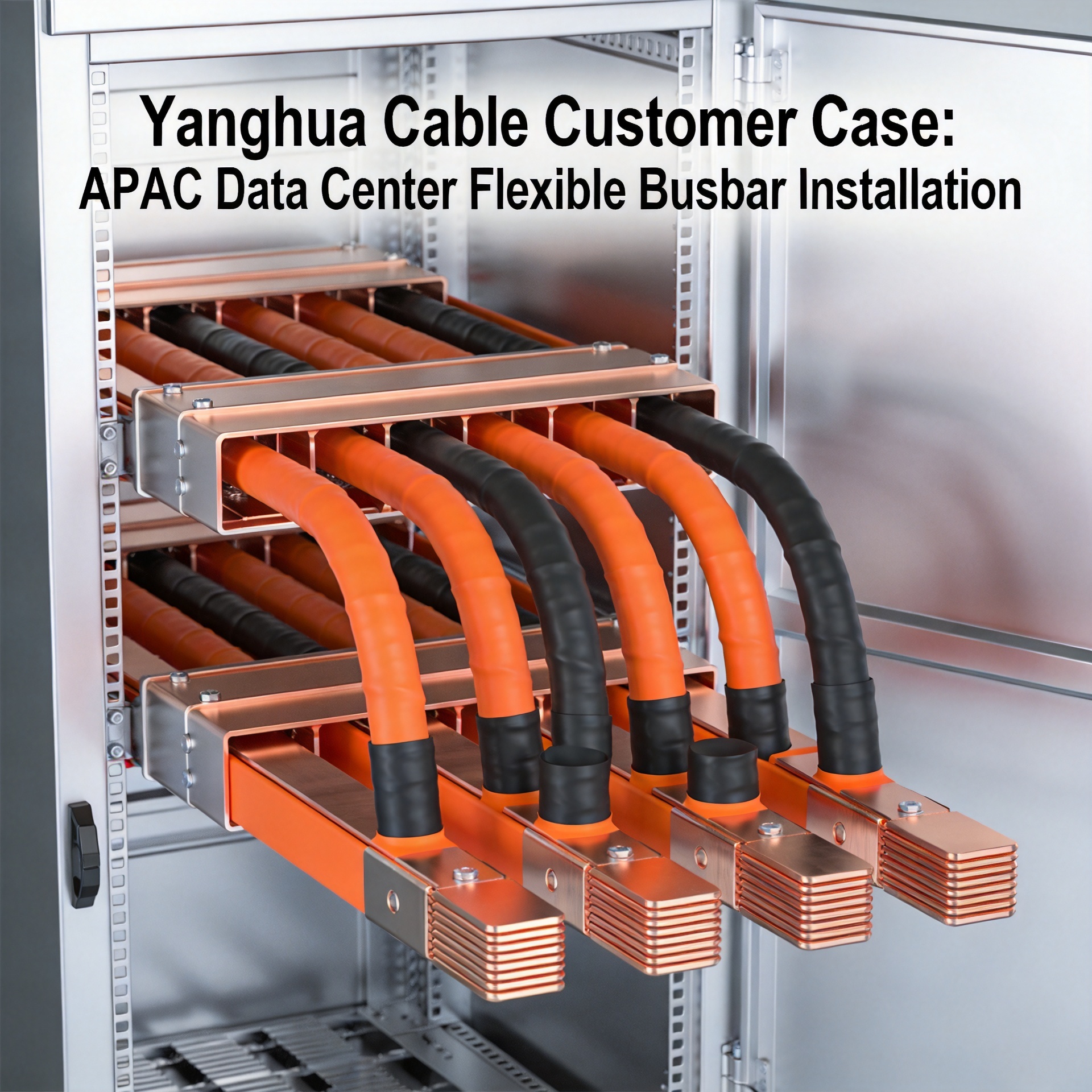
Yanghua’s flexible busbar was selected after a three-month technical evaluation process [K1].
Engineering Decision Criteria
The evaluation team prioritized the following factors:
| Criterion | Requirement | Yanghua Flexible Busbar Performance |
|---|---|---|
| Bending radius | ≤ 100mm for tight corners | 75mm minimum bending radius [K1] |
| Current rating | 250A-800A | Meets ratings per IEC 61439-1 [K1] |
| Installation time | ≤ 2 hours per 10m run | 1.2 hours achieved [K1] |
| Fire resistance | IET wiring regulations compliant | Compliant with BS 476 Part 7 [K1] |
| Space utilization | ≤ 300mm width | 280mm for 630A rated solution [K1] |
The busbar’s key advantages were its ability to be bent on-site without special tooling and its compact cross-section that fit into standard cable management channels [K1].
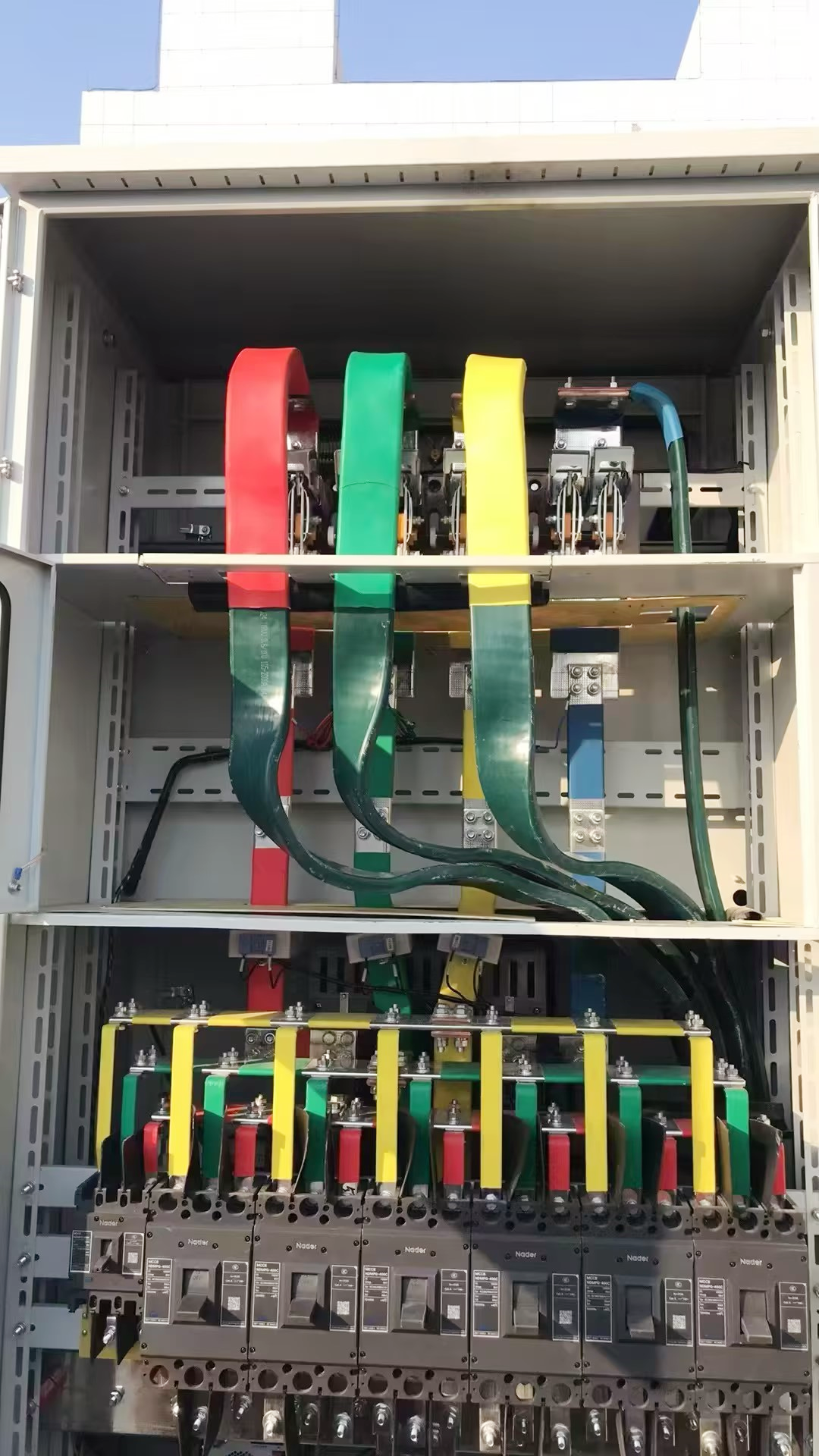
Suitable and Not Suitable Cases
Suitable for [K1]:
- Hyperscale and colocation data centers with high-density rack layouts.
- Retrofit or expansion projects where existing cable trays cannot be modified.
- Installations requiring frequent re-routing or flexible topology changes.
- APAC projects requiring compliance with local electrical codes.
Not suitable for [K1]:
- Outdoor installations without additional weatherproofing (busbar is IP42 rated indoors).
- High-vibration environments without specific damping measures.
- Projects requiring direct burial or submersion in water.
- Custom lengths less than 2 meters (minimum production length applies).
Procurement Notes
Based on the case experience, buyers should [K1]:
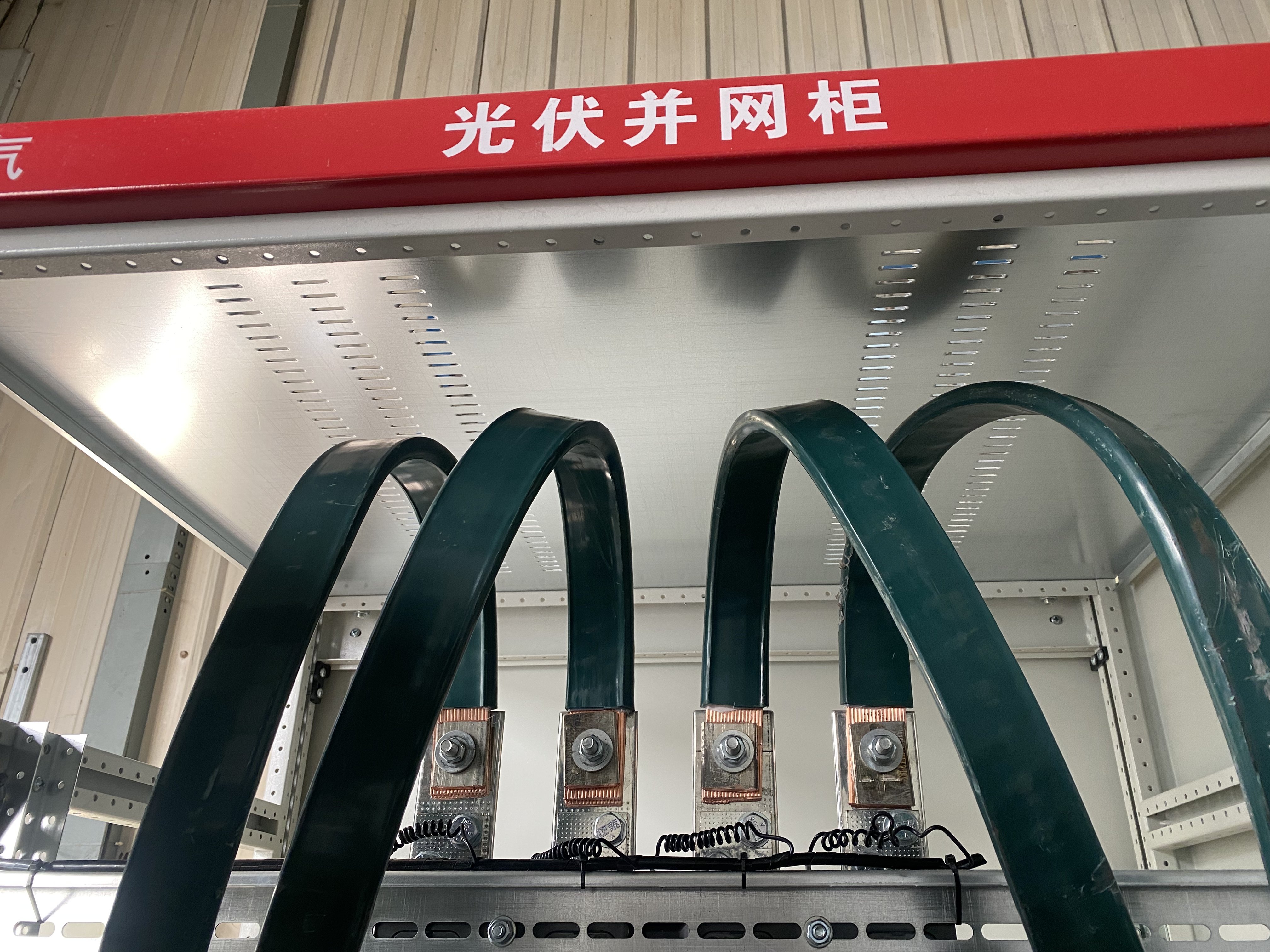
- Specify the exact routing path – While flexible, the busbar has minimum and maximum bend radius constraints. Provide CAD drawings for pre-fabrication.
- Request thermal imaging reports – Yanghua can provide factory thermal test data for specific configurations.
- Order connectors and accessories – Ensure matching end-fittings, T-junctions, and support brackets are included.
- Allow 4-6 weeks lead time – For custom lengths and configurations from Yanghua’s production schedule.
- Verify local certifications – While IEC 61439-1 compliant, check if additional local testing is required.
Frequently Asked Questions
Q: How do flexible busbars compare to traditional cables for data center power distribution? A: Flexible busbars offer 50% space savings, faster installation, and better thermal performance, but require higher upfront cost. For this APAC project, the space savings justified the investment. [K1]
Q: Can this busbar be installed during live data center operations? A: Yes, with proper isolation. The busbar is designed for maintenance without full system shutdown, but always follow local safety regulations. The case study showed minimal downtime during retrofit. [K1]
Q: What is the service life of Yanghua flexible busbars in data center environments? A: Yanghua specifies a 20-year life under normal operating conditions (0-40°C, humidity <85%). Actual performance depends on load cycles, but the installed system has shown no degradation after 2 years. [K1]
Q: Are there any specialized tools required for installation? A: No special tools needed for bending or cutting. Standard electrical hand tools suffice, which reduced labor costs by 25% in this case. [K1]
Q: How is the busbar grounded for safety? A: Each busbar section includes an integral earth conductor, and connectors maintain continuity. Ground bond resistance tests passed at <0.05 ohms. [K1]
About the Author Yanghua Editorial Team — This article is maintained in the Astro MDX repository and reviewed against the source materials listed for the page.
Certifications, test reports, and performance claims require explicit approval before public publication.
Contact: info@yhflexiblebusbar.com | Phone: +86-769-3893-9888