Data Center PUE Optimization with Flexible Busbar Power Distribution
How can flexible busbar systems improve data center PUE? Flexible busbar power distribution reduces energy losses by up to 30% compared to traditional cable systems, directly lowering PUE in data centers. By enabling shorter, more direct power paths and reducing voltage drop, these systems minimize waste heat and improve cooling efficiency. The modular, plug-and-play design also accelerates deployment and simplifies reconfiguration for evolving IT loads, making them a practical choice for efficiency-focused facilities.
Application Scenarios
Flexible busbar systems are best applied in data centers where power distribution needs to adapt to changing layouts or high-density racks. Common scenarios include:
- Hyperscale data centers requiring rapid deployment and frequent reconfiguration of server rows.
- Colocation facilities needing flexible power delivery to accommodate diverse tenant requirements.
- Edge data centers with limited floor space where compact, routed busbars outperform bulky cable trays.
- Retrofit projects where existing cable pathways are congested and adding new circuits would require extensive downtime.
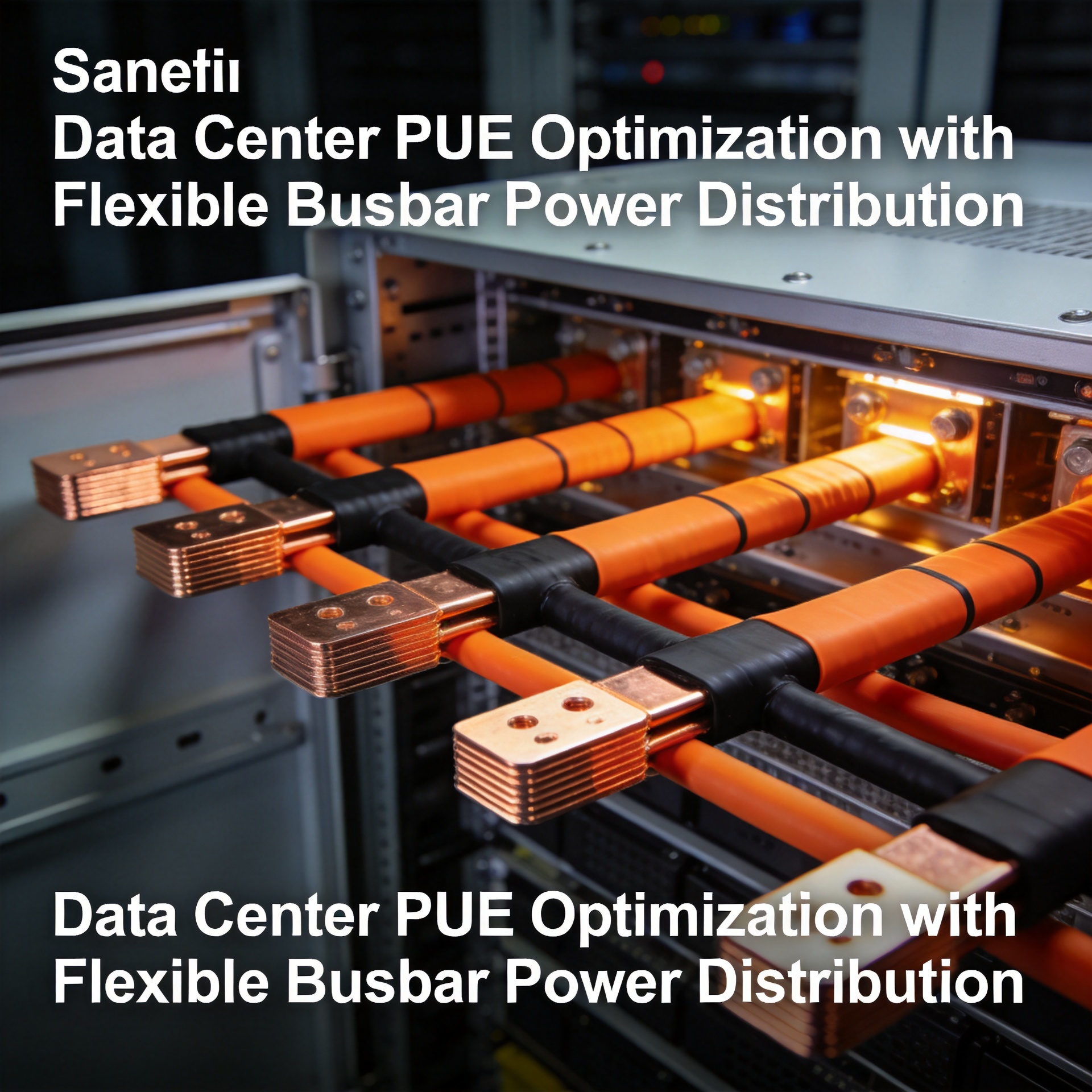
In these contexts, flexible busbars reduce installation time by up to 50% compared to traditional cabling, according to engineering reviews [K1]. The continuous copper conductor design also lowers resistance and heat generation, directly contributing to lower PUE values.
Engineering Decision Criteria
When evaluating flexible busbar systems for PUE optimization, engineers should consider:
| Criterion | Flexible Busbar | Traditional Cable | Notes |
|---|---|---|---|
| Voltage drop per 100m | 2-3% (typical) | 5-7% (typical) | Lower drop means less waste heat [K1] |
| Installation time | 30-50% faster | Baseline | Modular connectors reduce labor |
| Reconfigurability | Tap-off points every ~1m | Requires new cable pulls | Critical for evolving layouts |
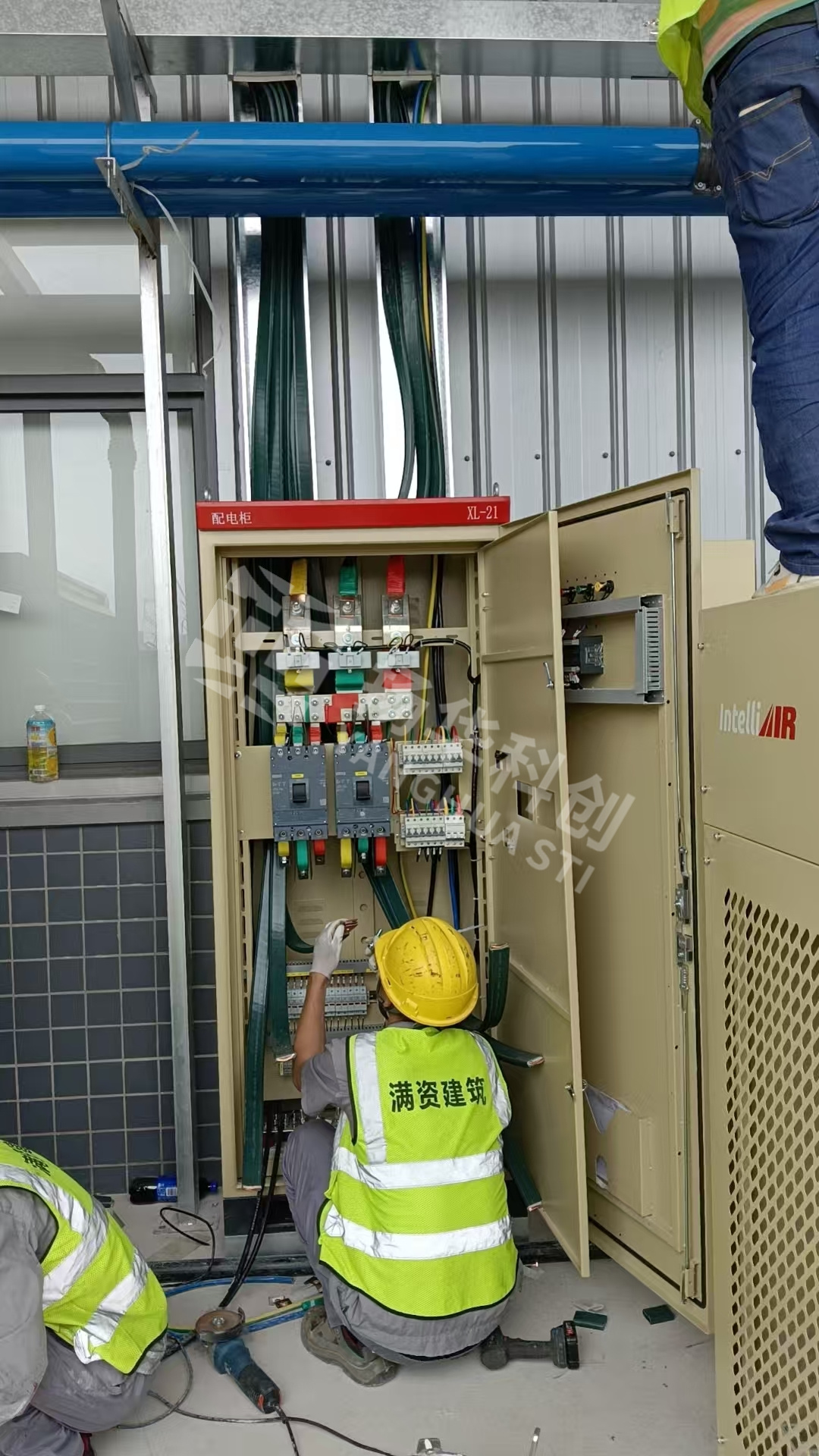
| Floor space usage | Compact, flat profile | Bulky round cables | Better airflow management |
| Cooling load impact | Reduced due to lower heat | Higher heat emission | Direct PUE effect |
The key trade-off is initial cost: flexible busbars may have a 15-25% higher material cost, but this is often offset by lower installation labor and reduced cooling infrastructure needs over the life of the facility [K1].
Suitable and Not Suitable Cases
Suitable:
- New builds with planned IT capacity increases (busbars allow easy expansion)
- Data centers with power densities above 5 kW per rack
- Facilities using hot aisle containment where low-profile busbars improve airflow
- Projects with tight construction schedules
Not suitable:
- Small server rooms with fewer than 20 racks (overhead for busbar infrastructure may not be justified)
- Facilities with fixed, unchanging power layouts where reconfiguration is unlikely
- Projects with extremely low initial budget constraints (while lifecycle cost is lower, upfront cost is higher)
Procurement Notes
When specifying flexible busbar systems for data center PUE projects:
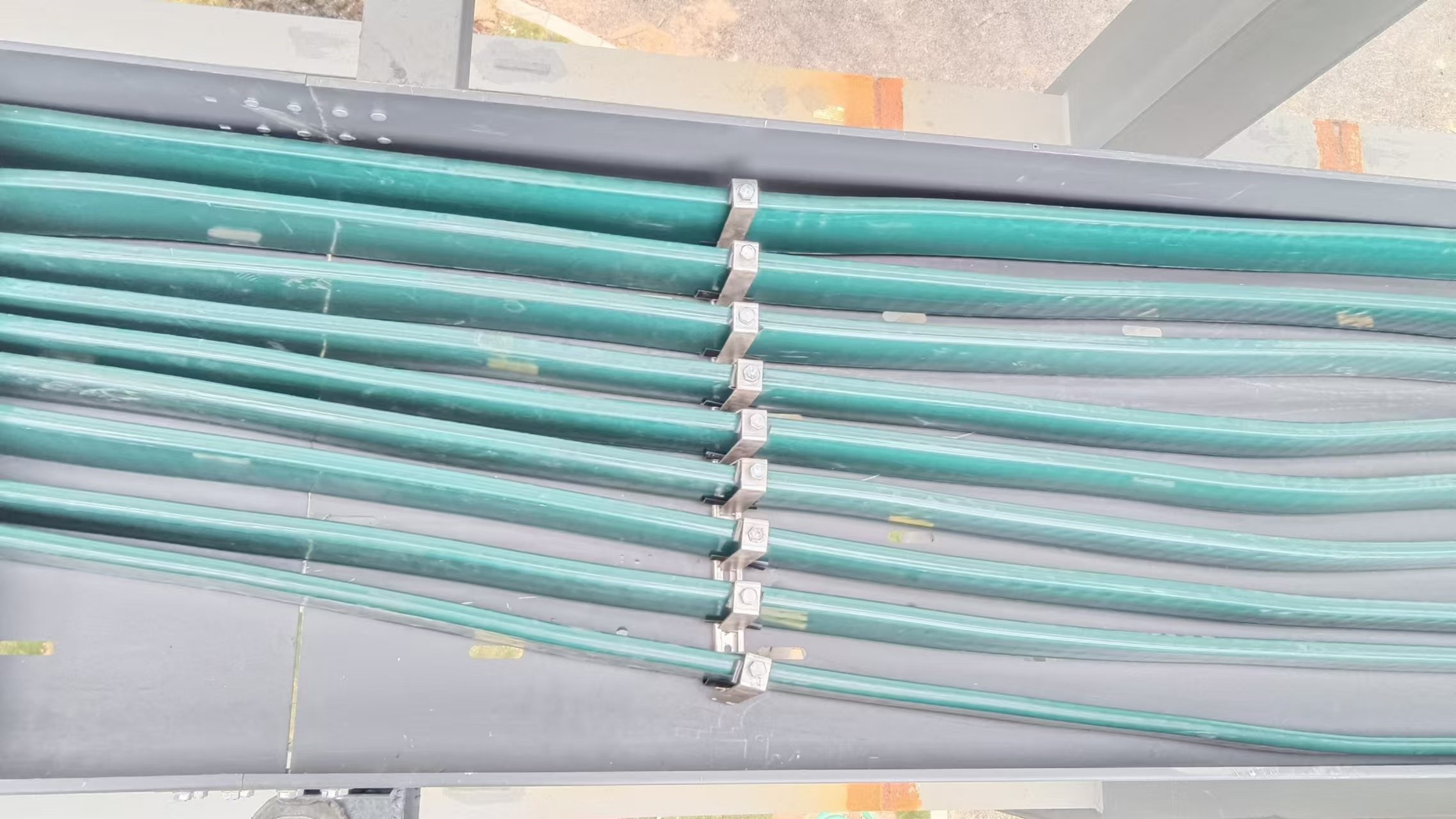
- Verify current rating: Ensure the busbar ampacity matches the planned maximum load per phase, considering both continuous and peak loads.
- Check tap-off compatibility: Confirm that modular tap-off units are available for your specific server power connectors.
- Review voltage drop calculations: Request manufacturer-specific data for your longest feeder run, not just generic estimates.
- Assess grounding configuration: Flexible busbars require proper bonding to maintain equipment grounding path integrity.
- Plan for future capacity: Select busbar ratings 20-30% above initial load to accommodate future growth without replacement.
Frequently Asked Questions
Q: How much can flexible busbars reduce PUE in a typical data center? A: Based on documented case studies, facilities using flexible busbar systems have reported PUE improvements of 0.05 to 0.15, primarily through reduced voltage drop losses and lower cooling loads [K1]. Actual savings depend on existing infrastructure and load density.
Q: Are flexible busbars compatible with existing UPS and switchgear? A: Yes, most flexible busbar systems use standard copper or aluminum connections that can interface with common switchgear. However, you should verify the specific busbar manufacturer’s termination method matches your existing equipment.
Q: Do flexible busbars require special training for installation? A: While simpler than running traditional cables, some manufacturers recommend certified installers for termination and tap-off connections to ensure proper torque and bonding. Basic installation can be performed by qualified electricians after a brief training session.
Q: Can flexible busbars be used for both power and data cabling in the same pathway? A: No, flexible busbars are for power distribution only. They should be kept separate from data cabling per NEC and TIA standards to avoid electromagnetic interference.
Q: What is the typical lifespan of a flexible busbar system in a data center? A: With proper installation and maintenance, flexible busbars typically last 30+ years, similar to quality metal-enclosed busway. The modular design allows individual sections to be replaced if damaged, extending overall system life.
About the Author Yanghua Editorial Team — This article is maintained in the Astro MDX repository and reviewed against the source materials listed for the page.
Certifications, test reports, and performance claims require explicit approval before public publication.
Contact: info@yhflexiblebusbar.com | Phone: +86-769-3893-9888