Retrofitting Old Electrical Rooms with Flexible Busbar: Space-Saving Solutions
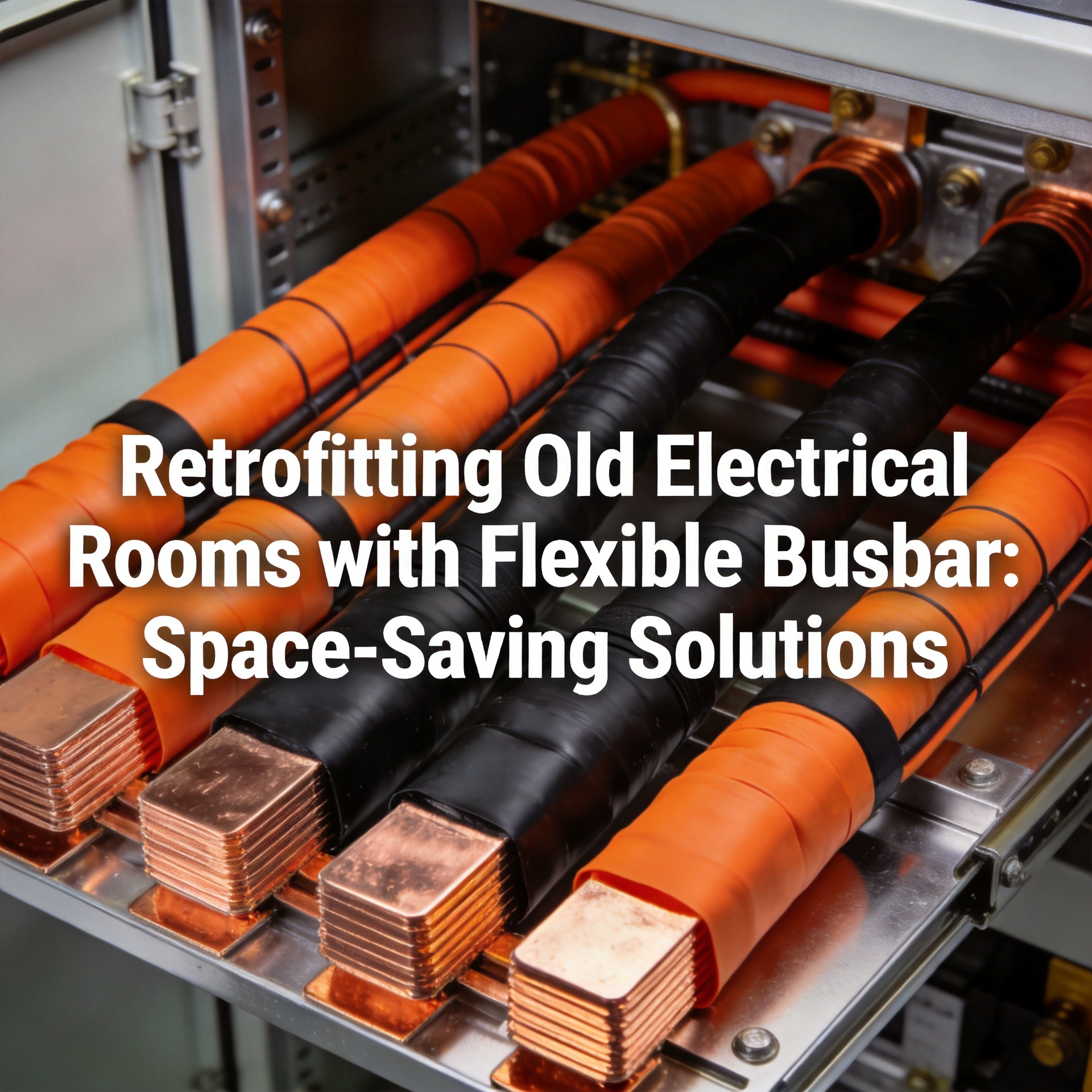
Direct answer: Flexible busbar systems offer a space-saving solution for retrofitting old electrical rooms by replacing rigid cable trays and traditional busways. They reduce installation footprint by up to 50%, simplify routing in tight spaces, and require fewer structural modifications [K1]. This makes them suitable for modernizing facilities like factories, data centers, and commercial buildings where existing electrical infrastructure is congested or outdated.
Application Scenario
Old electrical rooms often suffer from overcrowding, limited ventilation, and outdated cabling that complicates maintenance or capacity upgrades. Flexible busbars are particularly effective in:
- Retrofitting existing electrical rooms where structural changes (e.g., breaking walls) are cost-prohibitive.
- High-density spaces like data center PDUs or industrial control panels.
- Upgrading distribution systems in factories, hospitals, or commercial buildings without full downtime.
Engineering Decision Criteria
When evaluating flexible busbar for a retrofit, consider these factors [K1]:
| Criterion | Flexible Busbar | Traditional Cable Trays |
|---|---|---|
| Space required | Up to 50% less footprint | Standard tray width, rigid layout |
| Installation time | Faster (pre-assembled, minimal tooling) | Slower (requires cutting, pulling cables) |
| Bending radius | Tight (90° bends possible in place) | Larger (needs sweeping curves or junction boxes) |
| Ampacity range | Typically up to 100A per phase | Variable per cable gauge and bundling |
| Temperature rise | Lower (better heat dissipation due to flat profile) | Higher (cable bundling increases thermal resistance) |
Key engineering checks:
- Short-circuit rating: Verify busbar withstands fault current of the existing panel (usually 25–50kA, but confirm per local code).
- Enclosure compatibility: Ensure busbar fits existing cabinet dimensions without custom enclosures.
- Cost efficiency: Flexible busbar may have higher material cost than cable, but savings from reduced labor and structural modifications often tip the scale in retrofits [K1].
Suitable Cases
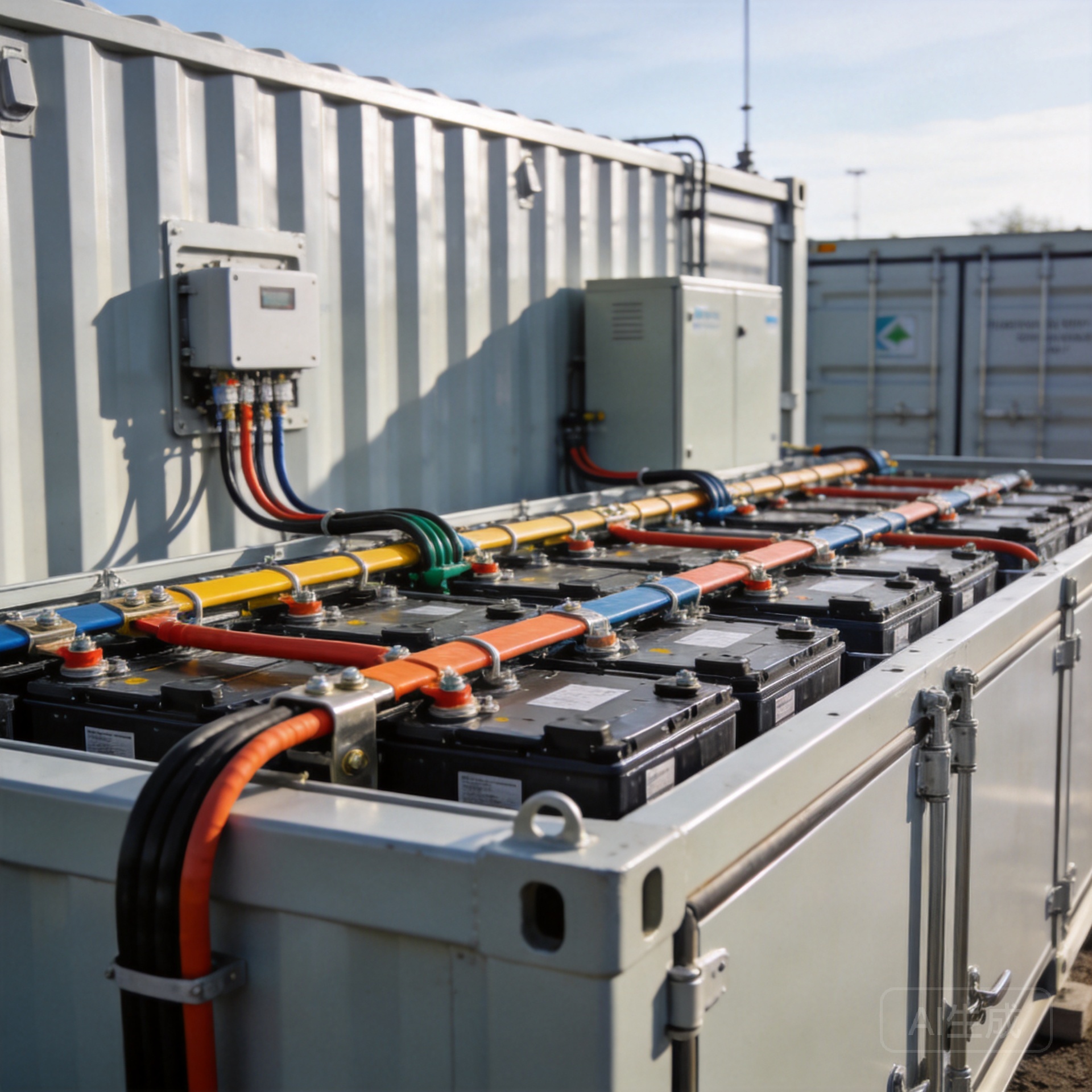
- Dense cable routing in existing electrical rooms with limited ceiling or wall space.
- Frequent reconfiguration (e.g., data centers, manufacturing lines) where modular connections simplify future changes.
- Light commercial retrofit (e.g., upgrading from fuse boxes to RCDs) with minor load increases (under 100A per phase).
Not Suitable Cases
- High-current main feeders (above 200A per phase) – traditional busways or heavy-gauge cables are more cost-effective and easier to protect.
- Outdoor or wet environments without IP-rated enclosures – standard flexible busbar is typically designed for indoor dry use [K1].
- Legacy panelboards with non-standard busway compartments – retrofit may require full panel replacement if dimensions mismatch.
Procurement Notes
- Request certified technical data sheets that show ampacity, insulation voltage, and short-circuit withstand ratings [K1].
- Verify dealer track record in retrofit projects: ask for case studies in similar building types.
- Check local electrical code compliance (e.g., BS 7671, IEC 61439) for flexible busbar installations.
- Order custom lengths from Yanghua; avoid field-cutting as it may void insulation properties.
- Plan for busbar support brackets every 1–2 meters, per manufacturer installation guidelines.

Frequently Asked Questions
Q: Can flexible busbar handle the same ampacity as traditional cables? A: Flexible busbar typically handles up to 100A per phase, which covers many retrofit scenarios [K1]. For higher loads, verify with the supplier—traditional cables or rigid busways may be more suitable.
Q: How does flexible busbar save space in an old electrical room? A: Its flat, bendable design can be routed along ceilings, through small gaps, and around obstacles, reducing the need for bulky cable trays or junction boxes [K1]. This can reclaim up to 50% of space in a crowded enclosure.
Q: Is retrofitting flexible busbar allowed by electrical codes? A: Yes, provided the busbar meets local certification (e.g., CE, UL) and is installed per manufacturer guidelines [K1]. Always consult a licensed electrician for code compliance.
Q: What maintenance does flexible busbar require after installation? A: Minimal; periodic inspection for corrosion or mechanical damage is recommended (e.g., every 2–3 years). No routine cable pulling or re-termination is needed.
Q: Can I use flexible busbar in existing power distribution units (PDUs)? A: Yes, if the PDU enclosure has adequate space and the busbar fits the terminal connections [K1]. Ensure the busbar ampacity matches the PDU output rating.
About the Author Yanghua Editorial Team — This article is maintained in the Astro MDX repository and reviewed against the source materials listed for the page.
Certifications, test reports, and performance claims require explicit approval before public publication.
Contact: info@yhflexiblebusbar.com | Phone: +86-769-3893-9888