Emergency Power Systems: Flexible Busbar for Backup Generator Connections
A flexible busbar is a flat, laminated copper or aluminum conductor system that connects backup generators to emergency power distribution panels in data centers, hospitals, and industrial facilities. Unlike traditional cable bundles, busbars offer higher ampacity in less space, simpler installation, and better heat dissipation. For emergency power systems where reliability and speed of deployment are critical, flexible busbars provide a proven connection method that reduces voltage drop and installation labor compared to multiple parallel cables [K1].
Application Scenario
Flexible busbars are used to connect backup generators to automatic transfer switches (ATS) and main distribution switchboards in emergency power systems. Typical installations include:
- Data centers: Connecting multiple generator sets to redundant power paths
- Hospitals: Linking emergency generators to life safety branch circuits
- Industrial plants: Integrating backup power for critical process equipment
- Commercial buildings: Tying standby generators to fire pump and elevator systems
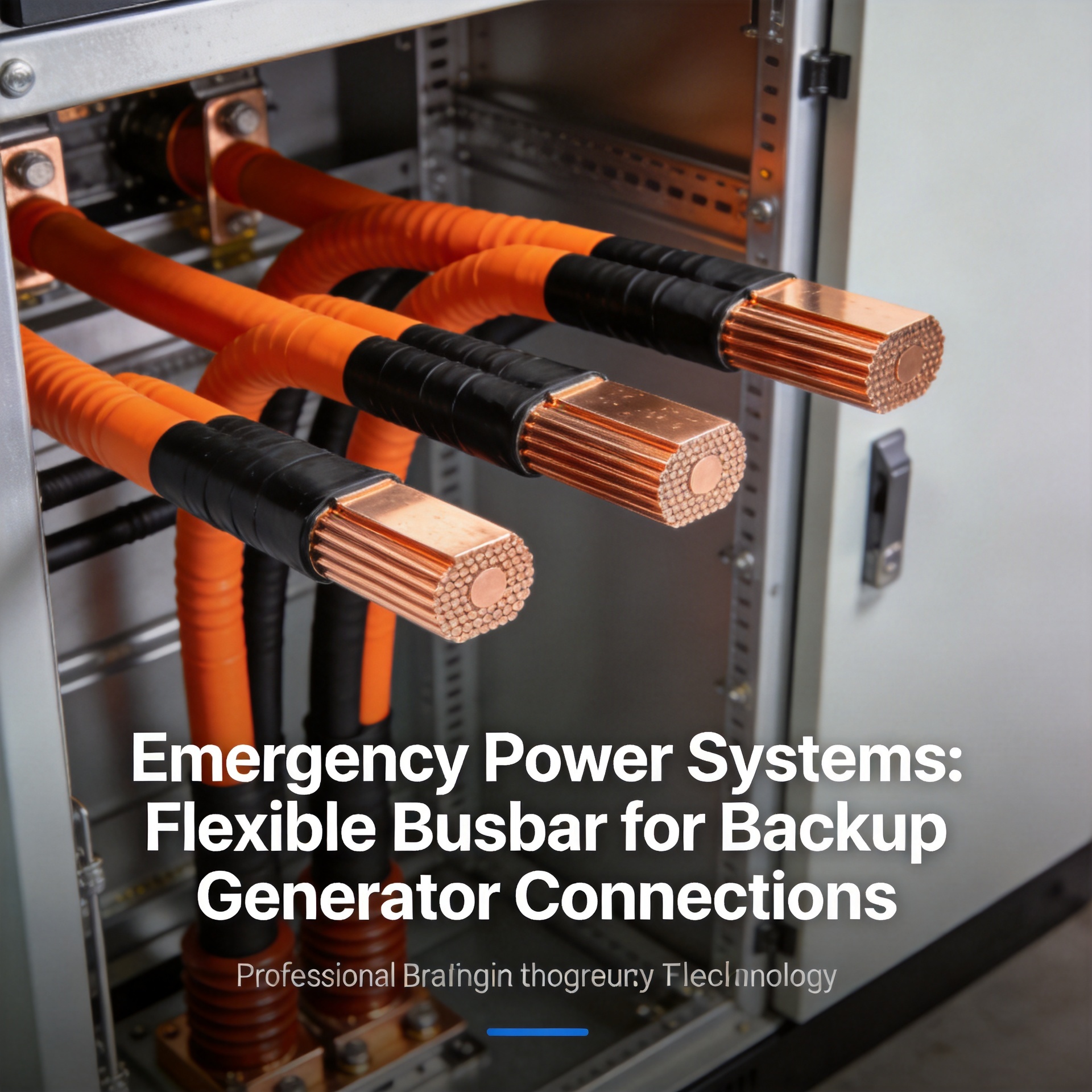
The busbar system replaces traditional cable connections where space constraints, high current requirements, or frequent reconfiguration needs exist. Yanghua flexible busbars are designed for 600V to 1000V systems with current ratings from 100A to 6300A [K1].
Engineering Decision Criteria
When selecting between flexible busbar and traditional cable for generator connections, consider these factors:
| Criteria | Flexible Busbar | Traditional Cable Bundle |
|---|---|---|
| Ampacity per cross-section | Higher (better heat dissipation) | Lower (derating in bundles) |
| Installation labor | 30-50% reduction | Standard |
| Space required | Compact, flat profile | Bulky cable bundles |
| Bending radius | Tighter bends possible | Larger radius needed |
| Reconfiguration ease | Modular, reusable | Requires new cable runs |
| Voltage drop | Lower (continuous conductor) | Higher (multiple parallel cables) |
| Initial material cost | Higher | Lower |
Suitable when:
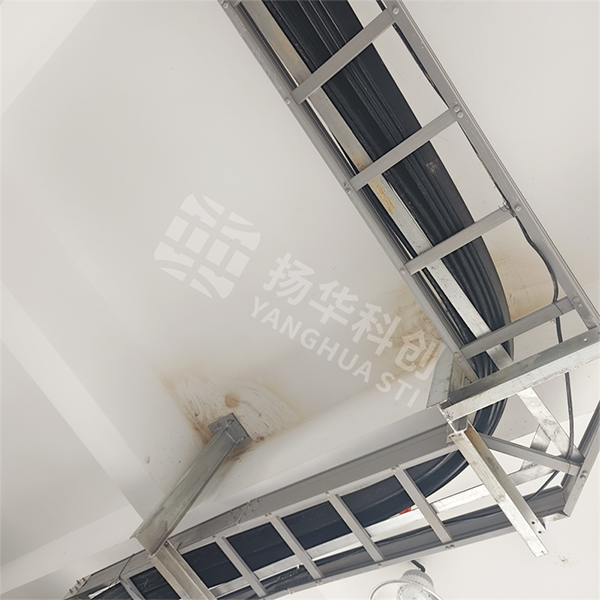
- Space in cable trays or raceways is limited
- Frequent generator system modifications are anticipated
- High short-circuit withstand ratings are needed
- Installation schedule is compressed
Not suitable when:
- Budget is extremely constrained and labor costs are low
- The installation is permanent with no planned changes
- Only low-current (below 100A) connections are needed
- Skilled busbar installers are not available locally
Procurement Notes
- Specify operating voltage and short-circuit rating – Verify the busbar’s tested withstand matches downstream breaker ratings.
- Confirm enclosure type – Indoor versus outdoor generator connections require different IP ratings.
- Request thermal imaging reports – Ask for manufacturer IR scan data from factory tests.
- Verify connector compatibility – Ensure busbar termination lugs match generator and switchboard lug sizes.
- Check delivery lead times – Custom busbar configurations may require 4-6 weeks fabrication.
Frequently Asked Questions
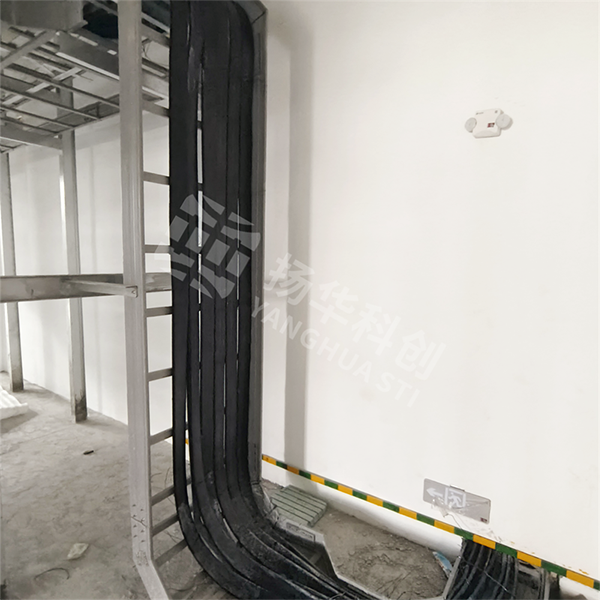
Q: Can flexible busbar handle the vibration from a running generator? A: Yes. The laminated construction absorbs low-frequency vibration better than rigid busbar. Ensure supports are spaced at manufacturer-recommended intervals (typically 600mm) to avoid resonant frequencies.
Q: What is the maximum continuous operating temperature for flexible busbar? A: Standard flexible busbar is rated for 105°C continuous operation at full rated current, with peak short-time ratings up to 250°C. Always verify the specific rating from the manufacturer’s test report, as values vary by insulation type.
Q: How do I size a flexible busbar for a 2000A generator connection? A: Refer to the manufacturer’s ampacity tables, which account for enclosure, ambient temperature, and grouping factors. A typical 2000A application might use two parallel 1000A busbars or one 2000A width. Derate for installation inside enclosed metal raceways.
Q: Is copper or aluminum better for generator connections? A: Copper offers higher conductivity and better mechanical strength for repeated connections. Aluminum is lighter and lower cost but requires careful joint preparation to avoid galvanic corrosion. For generator connections where reliability is paramount, copper busbar is the safer choice.
Q: Can existing cable connections be replaced with busbar without shutting down the entire system? A: No. Replacing generator connections requires transferring load to another source or scheduling a planned outage. Busbar installation is typically done during new construction or major retrofit projects with coordinated shutdown windows.
About the Author Yanghua Editorial Team — This article is maintained in the Astro MDX repository and reviewed against the source materials listed for the page.
Certifications, test reports, and performance claims require explicit approval before public publication.
Contact: info@yhflexiblebusbar.com | Phone: +86-769-3893-9888