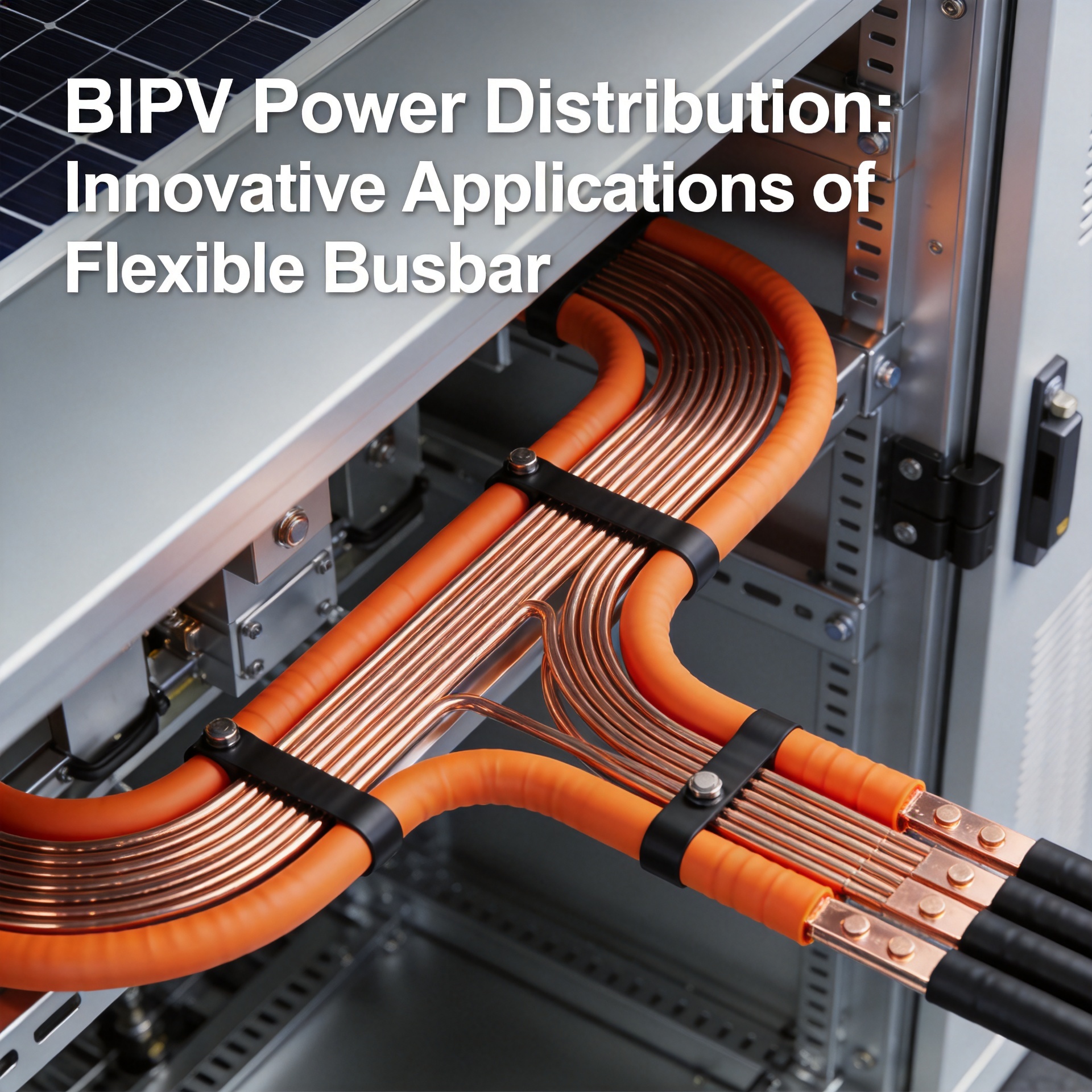
BIPV Power Distribution: Innovative Applications of Flexible Busbar
What is the role of flexible busbar in BIPV power distribution?
Flexible busbar enables efficient, space-saving power transmission in Building-Integrated Photovoltaic (BIPV) systems by replacing traditional cables. Its flexibility allows for seamless integration into building structures, reducing installation complexity and improving electrical reliability. Yanghua’s flexible busbar is designed specifically for BIPV applications, offering advantages in routing, thermal management, and modular assembly [K1].
Application Scenario
Flexible busbar is primarily used in BIPV systems for internal power distribution and module interconnection. Key applications include:
- Rooftop BIPV arrays: Connecting photovoltaic modules to inverters or combiner boxes within limited roof spaces.
- Façade-integrated PV: Routing power along curved or irregular building surfaces where rigid cables are impractical.
- Building-integrated energy storage: Linking storage units with PV modules in compact, weatherproof enclosures.
- Modular BIPV installations: Allowing pre-assembled busbar segments for faster on-site installation and reduced labor [K1].
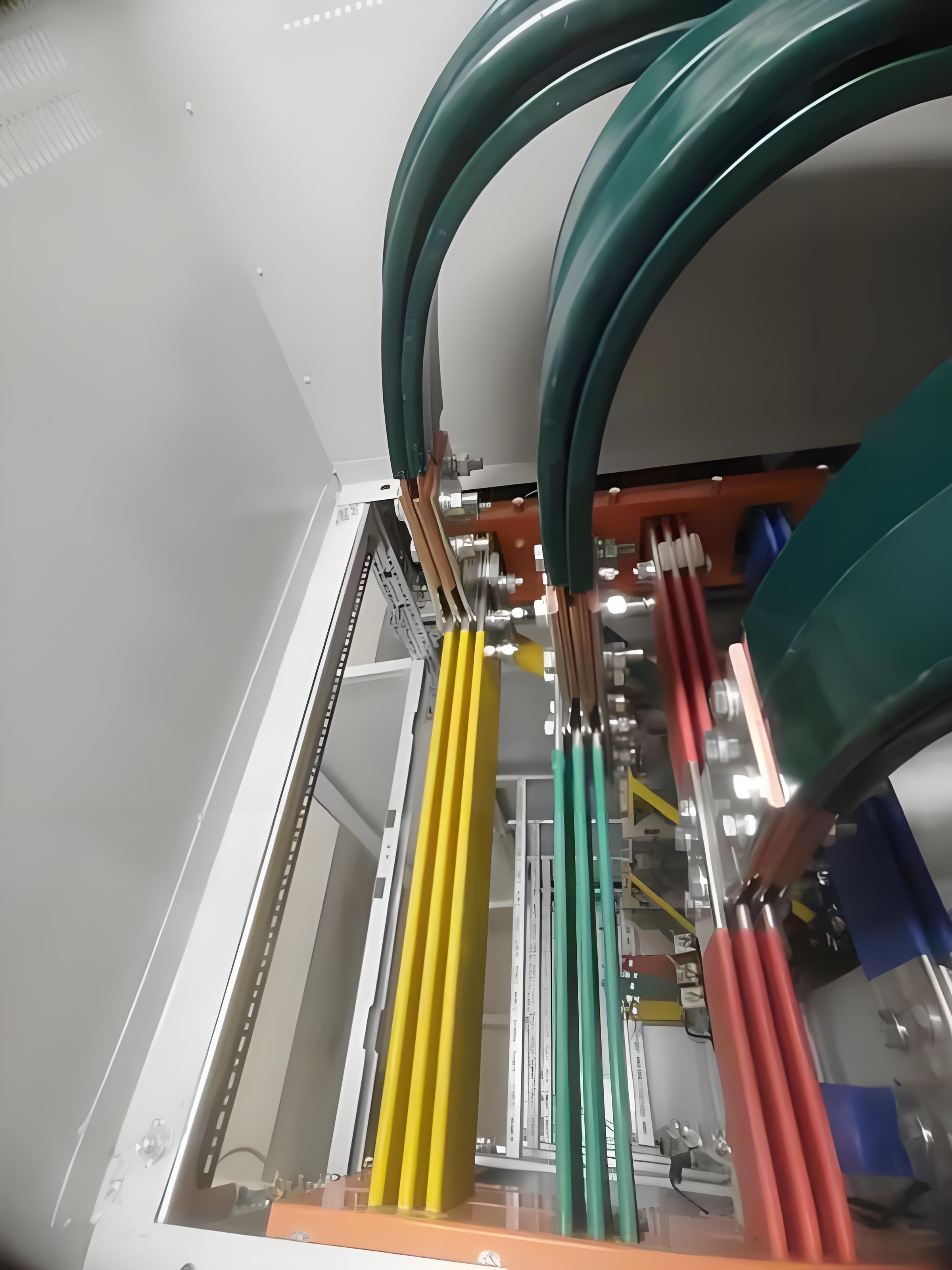
The flexibility of the busbar accommodates movement from thermal expansion and building settlement, which is critical for long-term performance in integrated systems.
Engineering Decision Criteria
When evaluating flexible busbar for BIPV power distribution, consider these technical factors derived from Yanghua’s experience [K1]:
| Criterion | Requirement | Why It Matters |
|---|---|---|
| Current rating | Matches PV module output & inverter input | Prevents overheating and voltage drop |
| Flexibility | Minimum bend radius ≤ 5x busbar thickness | Enables tight routing in confined spaces |
| Environmental rating | IP67 or higher for outdoor BIPV | Protects against moisture and dust ingress |
| Temperature range | -40°C to +90°C continuous | Handles solar heat and cold cycles |
| Fire resistance | UL 94 V-0 or equivalent | Safety in building-integrated installations |
| Termination method | Pre-crimped connectors or modular joints | Reduces on-site wiring errors |
Material composition is another key factor: copper or aluminum conductors with cross-linked polyethylene (XLPE) or silicone insulation provide durability. Copper offers lower resistance but higher cost; aluminum is lighter and cost-effective for longer runs [K1].
System voltage must match BIPV string voltage (typically 1000V DC or 1500V DC). Flexible busbar should be rated for the maximum open-circuit voltage of the PV array to avoid insulation breakdown.
Suitable / Not Suitable Cases
Suitable for:
- High-density BIPV installations where space is at a premium, such as glass-integrated PV on windows.
- Curved or irregular building surfaces where rigid cables cannot follow contours.
- Pre-fabricated modular BIPV systems requiring quick plug-and-play connections.
- BIPV projects with frequent thermal cycling, as flexibility reduces mechanical stress.
Not suitable for:
- Long-distance transmission (>100 meters) due to higher resistance and potential voltage drop compared to cables.
- Underground or buried installations unless specifically rated for direct burial (verify IP and mechanical protection).
- High-vibration environments near heavy machinery, where connectors may loosen over time.
- Extreme temperatures beyond rated range, which could cause insulation degradation.
Procurement Notes
When specifying flexible busbar for BIPV, verify the following with Yanghua [K1]:
- Certification: Confirm UL, TÜV, or IEC standards applicable to your region. Yanghua’s products undergo internal testing; request test reports specific to your application.
- Custom lengths: Provide exact routing paths to minimize waste. Yanghua can supply pre-cut, terminated busbar segments.
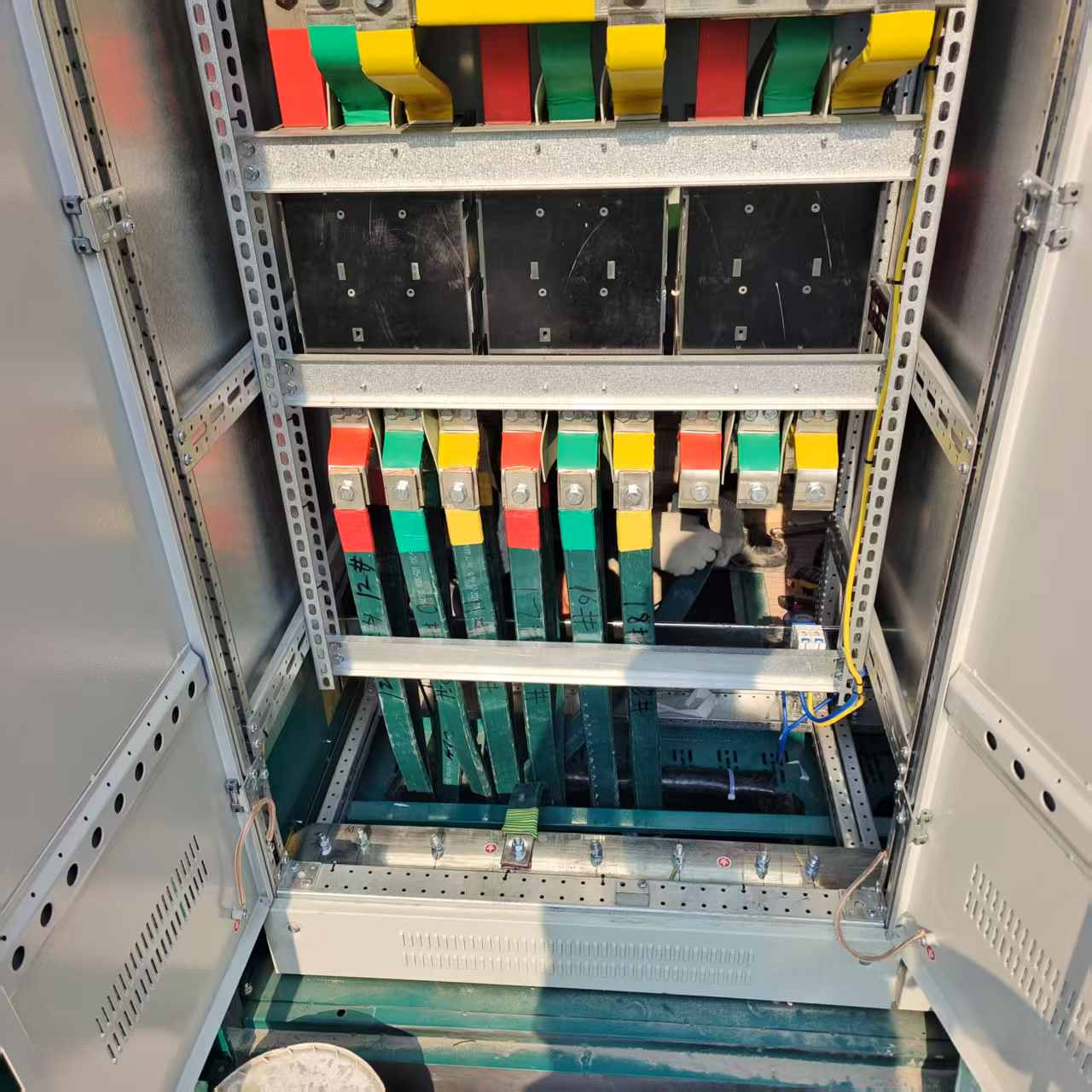
- Connector compatibility: Ensure connectors match your inverter, combiner box, or storage system terminal types.
- Environmental sealing: For outdoor BIPV, specify IP67-rated busbar with sealed connectors.
- Documentation: Request installation manuals, bending radius charts, and derating curves for high-temperature operation.
Yanghua does not publish standard prices or warranty terms. Contact their engineering team for a project-specific quote and performance guarantees for BIPV applications.
FAQ
Q: Can flexible busbar replace all cables in a BIPV system?
A: No, flexible busbar is optimal for short, confined internal runs within BIPV modules and junction boxes. Main home runs to the inverter or grid connection typically require standard PV cables for safety and cost reasons.
Q: How does flexible busbar handle solar heat on a roof?
A: Its insulation (e.g., silicone or XLPE) is rated for continuous temperatures up to 90°C. However, for direct sun exposure, add a UV-protective cover or use busbar specifically rated for outdoor BIPV.
Q: Is flexible busbar more expensive than conventional cables for BIPV?
A: The material cost per meter is often higher, but overall system cost may be lower due to reduced installation labor, simpler routing, and fewer connectors. A full cost comparison should include installation time and reliability benefits.
Q: Does Yanghua offer custom shapes for curved BIPV façades?
A: Yes, Yanghua can customize busbar length, conductor cross-section, and connector type to match your BIPV geometry. Contact them with your routing diagram for a feasibility review.
Q: What happens if the busbar insulation fails in a BIPV system?
A: Insulation failure can lead to short circuits or ground faults. Use busbar with at least UL 94 V-0 fire rating and IP67 sealing. Regular inspection and proper termination practices reduce risk.
About the Author Yanghua Editorial Team — This article is maintained in the Astro MDX repository and reviewed against the source materials listed for the page.
Certifications, test reports, and performance claims require explicit approval before public publication.
Contact: info@yhflexiblebusbar.com | Phone: +86-769-3893-9888