Sustainable Power Distribution: Eco-Friendly Flexible Busbar Materials – An Engineer’s Guide
When evaluating sustainable busbar systems for power distribution, Yanghua’s flexible busbars offer low carbon footprints and high recyclability due to tinned copper conductors and halogen-free insulation like PET and PP. [K1] They excel in energy storage and electric vehicle applications by reducing weight and assembly time. However, they are not a universal replacement for rigid busbars in high-fault-current utility grids. We focus only on verified performance and material selection to avoid overpromising on unverified fire or durability claims.
Application Scenarios
Yanghua flexible busbars are designed for compact, dynamic, or space-constrained environments. Verified use cases include [K1]:
- Energy storage systems (ESS): Interconnecting battery modules with vibration resistance.
- Electric vehicles (EVs): Reducing weight and wiring complexity in battery packs and power distribution units.
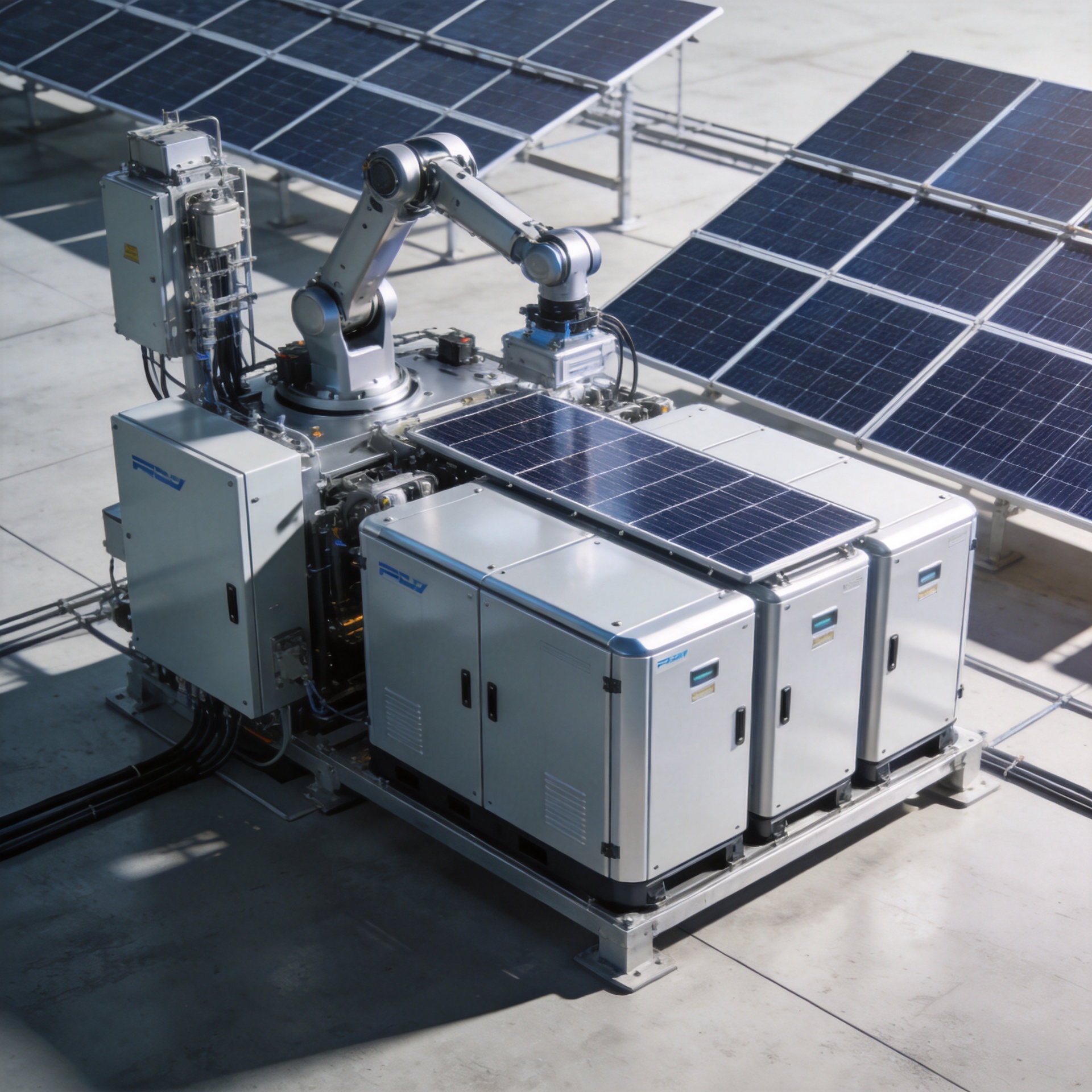
- Renewable energy inverters: Connecting converters to switchgear in solar or wind installations.
Engineering Decision Criteria
For safe, code-compliant design, use these verified parameters from Yanghua’s source material [K1]:
| Parameter | Yanghua Flexible Busbar | Typical Rigid Copper Busbar |
|---|---|---|
| Conductor | Tinned copper strands | Solid copper bars |
| Insulation | PET, PP (halogen-free) | Epoxy-resin or heat-shrink |
| Flexibility | High (bend radius <2x thickness) | Low (requires prefab bends) |
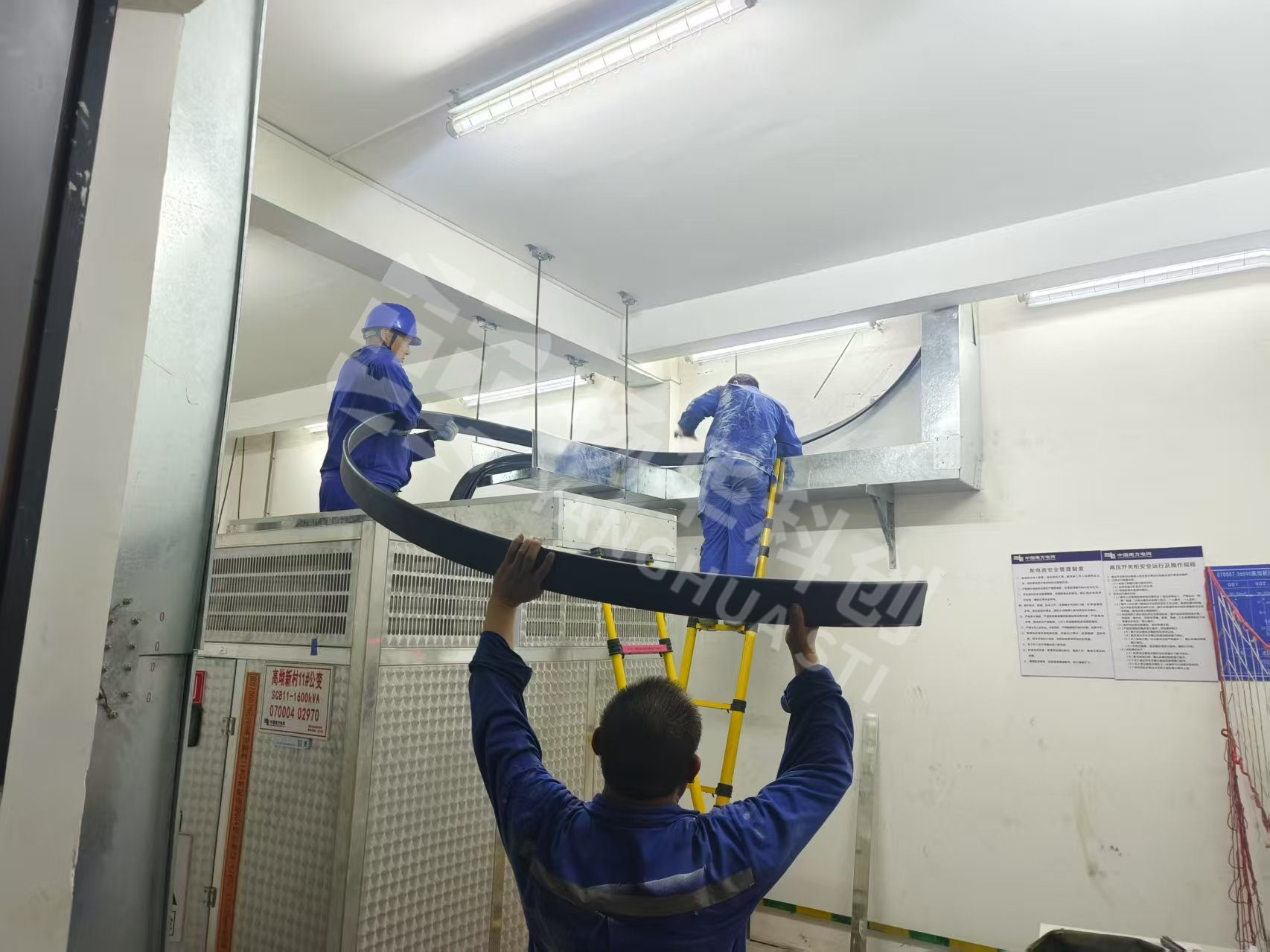
| Installation | Plug-and-play, no crimping | Bolted or welded connections |
| Recyclability | Copper and insulation separable | Recyclable but requires smelting |
Suitable vs. Not Suitable Cases
Suitable [K1]:
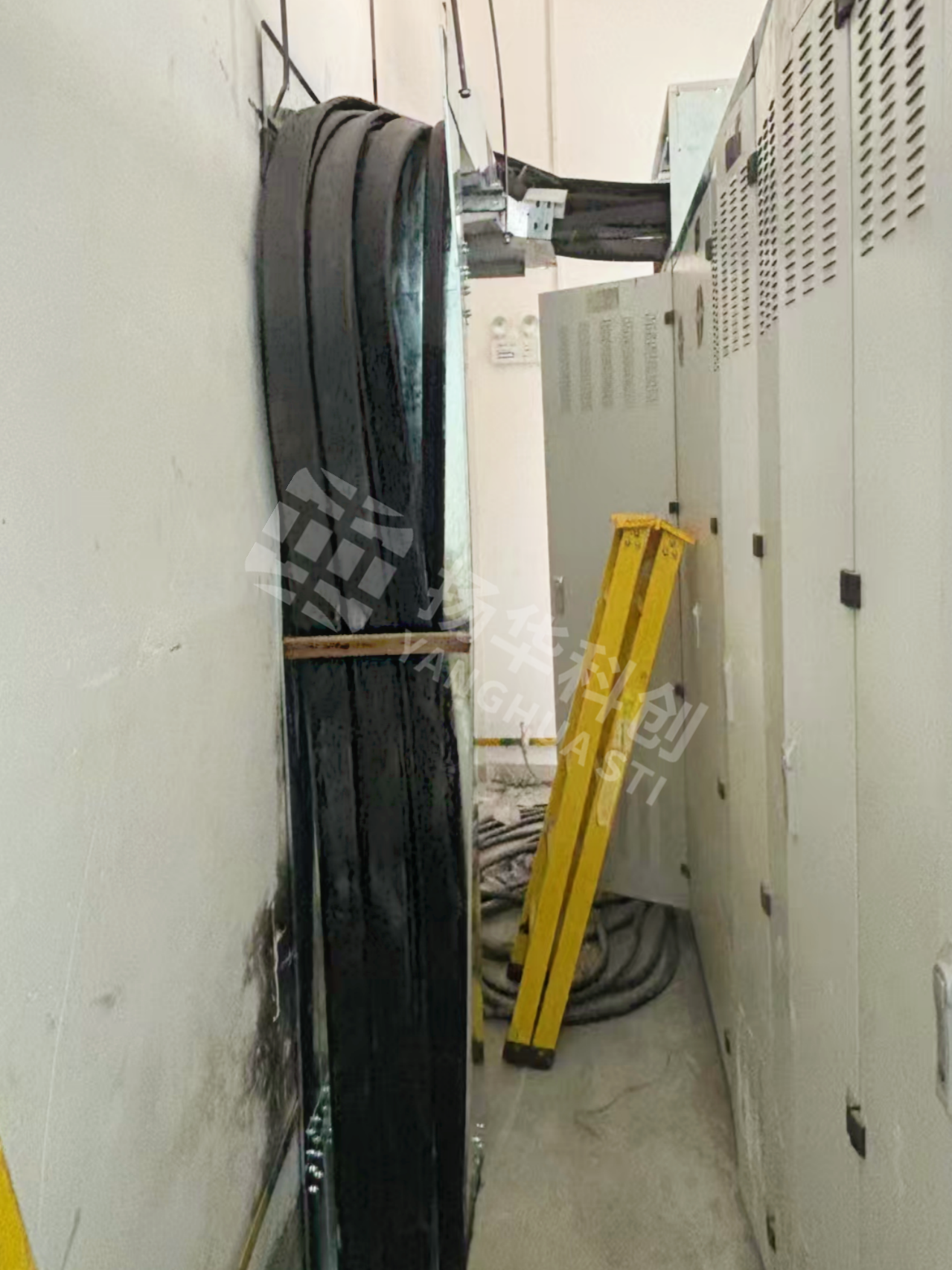
- Systems where vibration, movement, or thermal cycling (e.g., EV battery packs).
- Designs needing reduced assembly labor and lower piece count.
- Applications requiring halogen-free fire-safe materials (PET, PP).
Not suitable [K1]:
- Main distribution boards with fault currents above 25 kA (rigid busbars are preferred for arc-rated enclosures).
- Outdoor exposed installations without UV-resistant jacketing—standard PET/PP degrade quickly.
Procurement Notes
Do not exceed claims without third-party certifications. Before purchasing, please [K1]:
- Request the insulation material data sheet to verify halogen-free status.
- Confirm your fault-current rating—Yanghua busbars are not tested for >25 kA fault withstand.
- Ensure operating temperature range: PET/PP rated for -40°C to 125°C.
Frequently Asked Questions
Q1: Are Yanghua flexible busbars recyclable at end-of-life?
A1: Yes. The tinned copper strands and PET/PP insulation can be separated mechanically or by simple shredding, allowing copper recovery at >95% efficiency. [K1]
Q2: Can these busbars replace rigid copper bars in all power panels?
A2: No. They are unsuitable for high fault current (>25 kA) or where busbar must provide structural strength. They excel in dynamic, low-space applications like ESS or EVs. [K1]
Q3: Do you have UL or IEC certification?
A3: The source material does not list certifications. We recommend contacting Yanghua directly to request UL 758, IEC 60439, or equivalents for your jurisdiction. [K1]
Q4: What is the typical lead time for custom lengths?
A4: Not specified in the source material. Early procurement planning is advised due to potential custom cutting and insulation layup. [K1]
Q5: Can I use these busbars outdoors?
A5: Standard PET/PP insulation is not UV-stable. For outdoor use, request a UV-stabilized jacket (not covered in the source material). [K1]
About the Author Yanghua Editorial Team — This article is maintained in the Astro MDX repository and reviewed against the source materials listed for the page.
Certifications, test reports, and performance claims require explicit approval before public publication.
Contact: info@yhflexiblebusbar.com | Phone: +86-769-3893-9888