Copper vs Aluminum Flexible Busbar: Conductivity and Cost Analysis
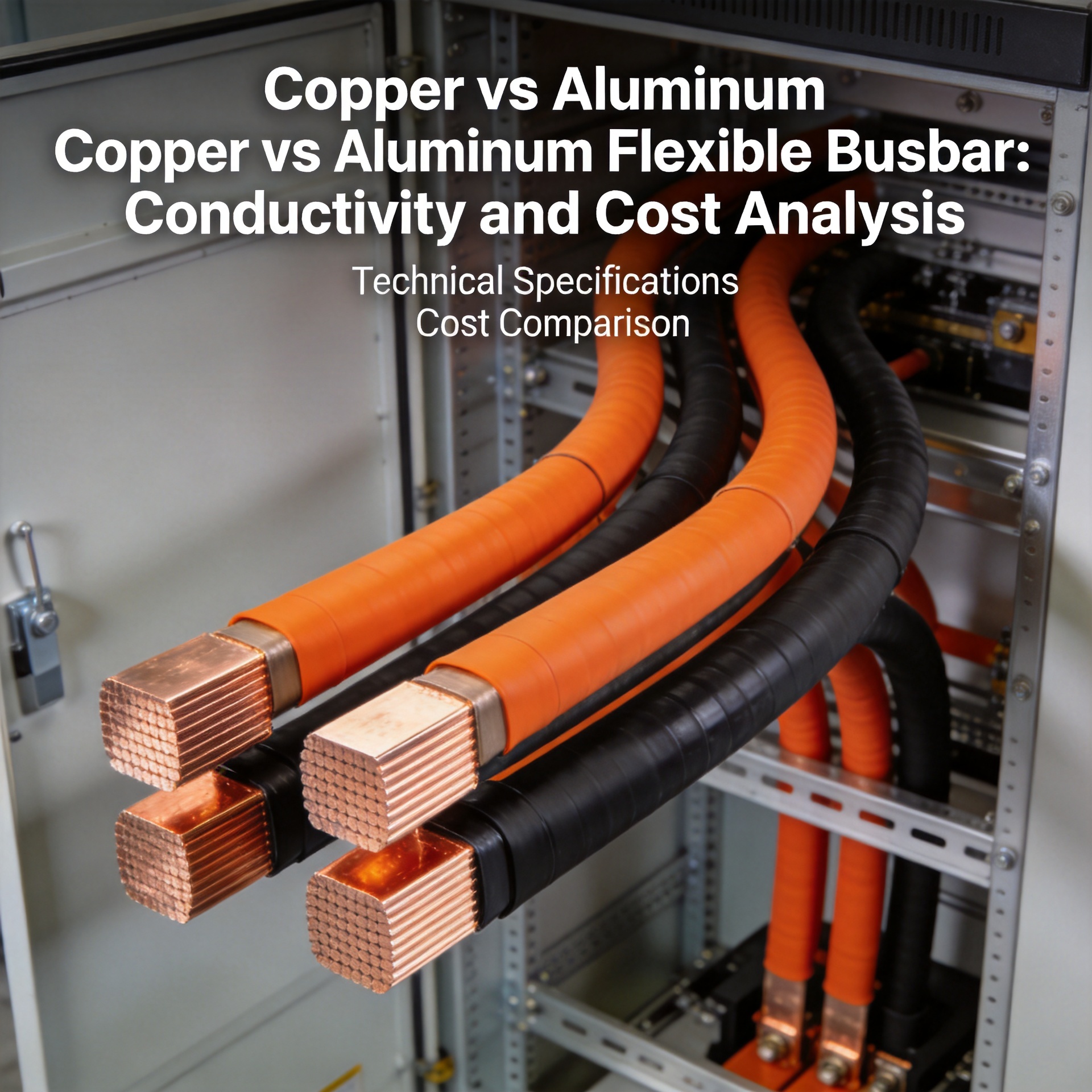
For most high-current applications in switching power supplies and switchgear, copper flexible busbars offer 60% better conductivity than aluminum equivalents, but at a higher material cost. Aluminum flexible busbars weigh about one-third as much as copper, making them suitable for cost-sensitive or lightweight designs with lower current density requirements. Your selection depends on ampacity needs, space constraints, and the acceptable trade-off between conductivity and budget.
Application Scenario
Flexible busbars are used in power distribution systems where rigid connections are impractical—for example, between transformer terminals, circuit breaker panels, and switchgear cabinets [K1]. Yanghua’s copper and aluminum flexible busbars both serve these roles, but their material properties dictate distinct use cases.
- Copper flexible busbar: Preferred in high-current paths with limited space, such as data center PDUs, UPS systems, and industrial control panels.
- Aluminum flexible busbar: Often chosen for long busbar runs, renewable energy interconnection boxes, or when weight reduction is critical (e.g., electric vehicle battery packs).
Engineering Decision Criteria
When selecting between copper and aluminum, evaluate these key parameters:
| Parameter | Copper Flexible Busbar | Aluminum Flexible Busbar |
|---|---|---|
| Electrical conductivity (IACS, % at 20°C) | ~100% | ~61-62% |
| Density (g/cm³) | 8.96 | 2.70 |
| Relative weight (same cross-section) | Heavier (by ~3.3x) | Lighter |
| Ampacity (for equal temperature rise) | Higher | Lower (requires ~60% larger cross-section or enhanced cooling) |
| Material cost per kg | Higher | Lower |
| Coefficient of thermal expansion (µm/m·°C) | ~16.5 | ~23.1 |
| Ductility & formability | Excellent | Good (but more prone to fatigue) |
Key engineering rule: To carry the same current as a copper busbar, an aluminum busbar must have its cross-sectional area increased by approximately 60% [K1]. This affects space requirements and connector interfaces.
Suitable Cases for Each Material
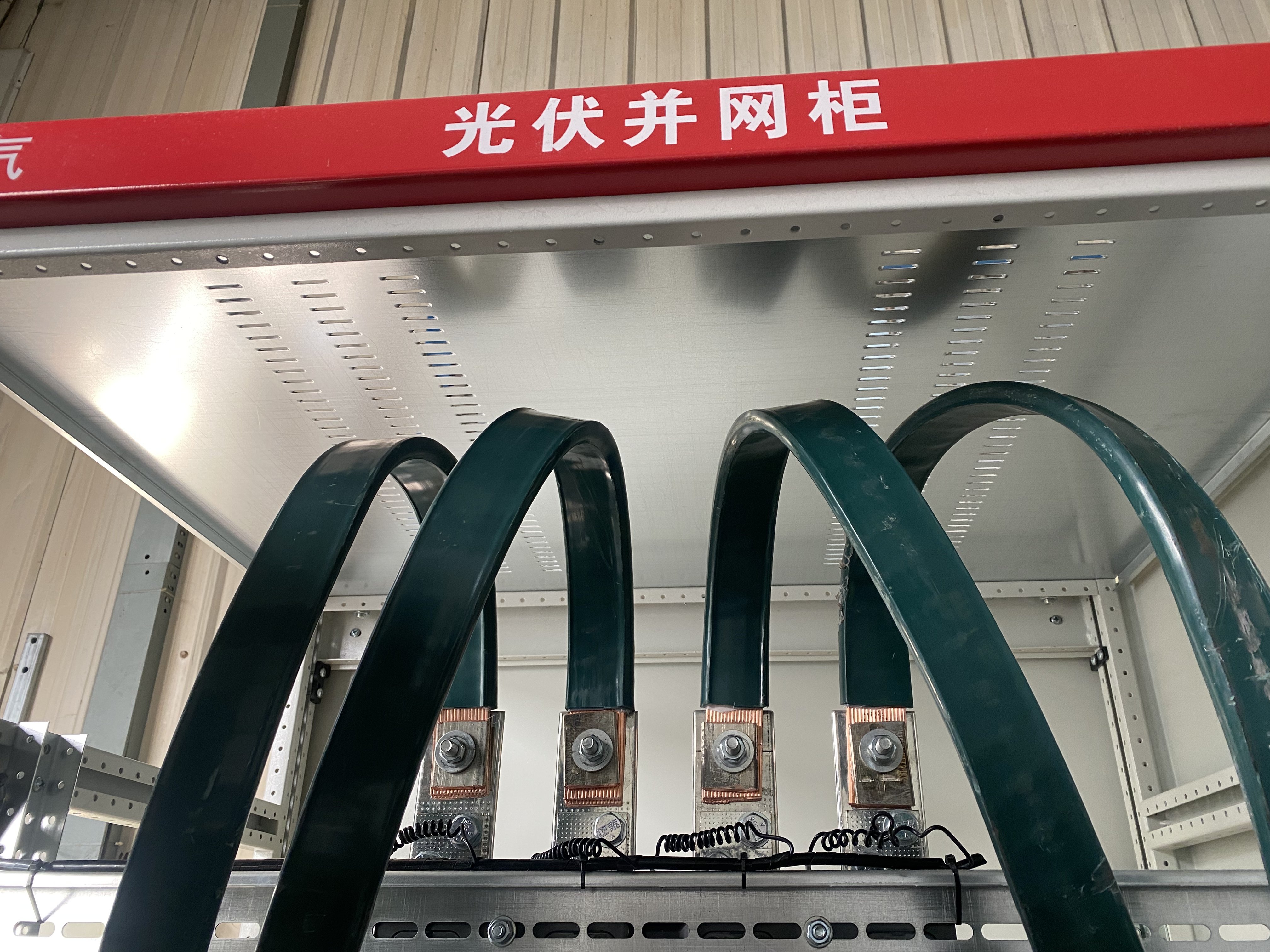
Copper Flexible Busbar – Best for:
- High-density power electronics (e.g., inverters, frequency converters) where space is at a premium
- Applications requiring minimal voltage drop over short distances
- Environments with frequent thermal cycling (copper resists fatigue better)
- Cases where connector interface is standard copper (avoid galvanic corrosion)
Aluminum Flexible Busbar – Best for:
- Long, straight busbar runs where weight savings reduce structural support costs
- Cost-driven projects with less stringent ampacity requirements
- Applications with generous mounting space allowing upsized bars
- Installations where the aluminum surface can be properly plated or coated to prevent oxidation at joints
Not Suitable / Caution Cases
| Condition | Reason for Caution |
|---|---|
| High-vibration environments with aluminum | Aluminum’s lower fatigue strength can cause cracking over time |
| Direct connection to copper terminals without bimetallic washers | Galvanic corrosion occurs in the presence of moisture |
| Very high current (>2000A) with aluminum | Requires impractically large cross-section or forced cooling |
| Retrofitting aluminum into existing copper-only distribution | Incompatible connector sizes and potential overheating |
Procurement Notes
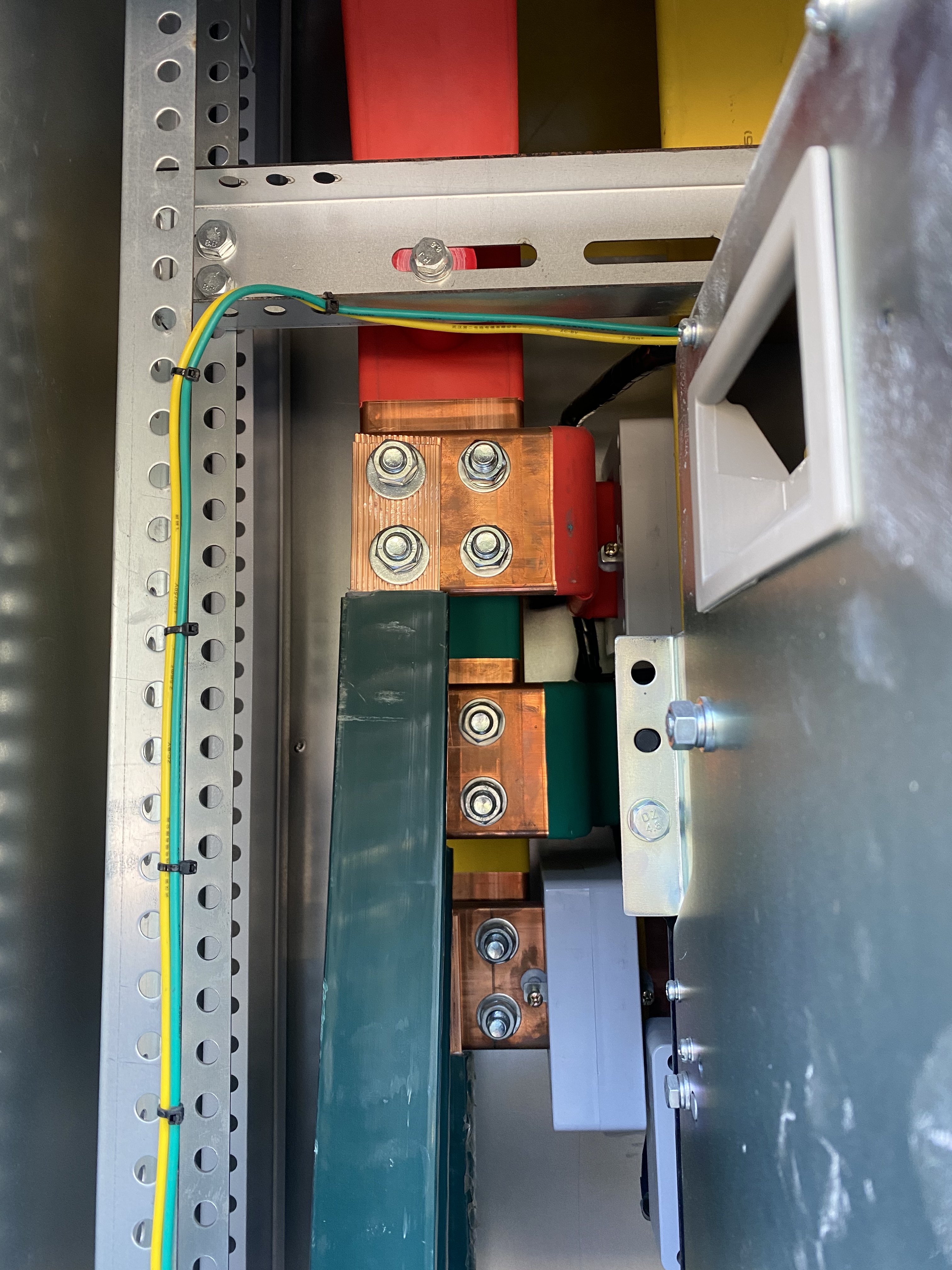
- Certifications: Both copper and aluminum flexible busbars from Yanghua can be customized with tin or silver plating to improve corrosion resistance and contact performance [K1].
- Lead time: Aluminum variants may ship faster due to lighter stock, but confirm with supplier.
- Sample ordering: Request a thermal imaging test sample for your specific ampacity to validate temperature rise—especially for aluminum in high-current applications.
- Warranty: Standard two-year defect warranty applies, but extended terms may be negotiable for volume orders.
Frequently Asked Questions
Q1: Can I use aluminum flexible busbar to replace a copper one without changing the system design? No. You must increase cross-sectional area by about 60% and verify connector compatibility [K1]. Failure to upsize can cause overheating.
Q2: Why is copper more expensive than aluminum for flexible busbars? Copper is a scarcer raw material with higher extraction and refining costs, plus it has near-perfect electrical conductivity. Aluminum is abundant and cheaper, but requires more material to achieve the same ampacity [K1].
Q3: Which busbar flexes more easily—copper or aluminum? Copper is more ductile and can be repeatedly flexed with less risk of fatigue failure. Aluminum is stiffer and more prone to stress cracking under repeated motion.
Q4: How do I prevent galvanic corrosion when mixing copper and aluminum busbars? Use bimetallic transition washers or tin-plated terminations. Never allow bare aluminum to touch copper in a moist environment.
Q5: For a 1000A switchgear application, should I choose copper or aluminum flexible busbar? If space is tight, copper is the reliable choice. If you have generous panel width and a limited budget, aluminum with a 60% larger cross-section can work—but you must run thermal validation tests on the actual assembly.
About the Author Yanghua Editorial Team — This article is maintained in the Astro MDX repository and reviewed against the source materials listed for the page.
Certifications, test reports, and performance claims require explicit approval before public publication.
Contact: info@yhflexiblebusbar.com | Phone: +86-769-3893-9888