Flexible Busbar vs Traditional Busduct: Which is Better for Industrial Plants?
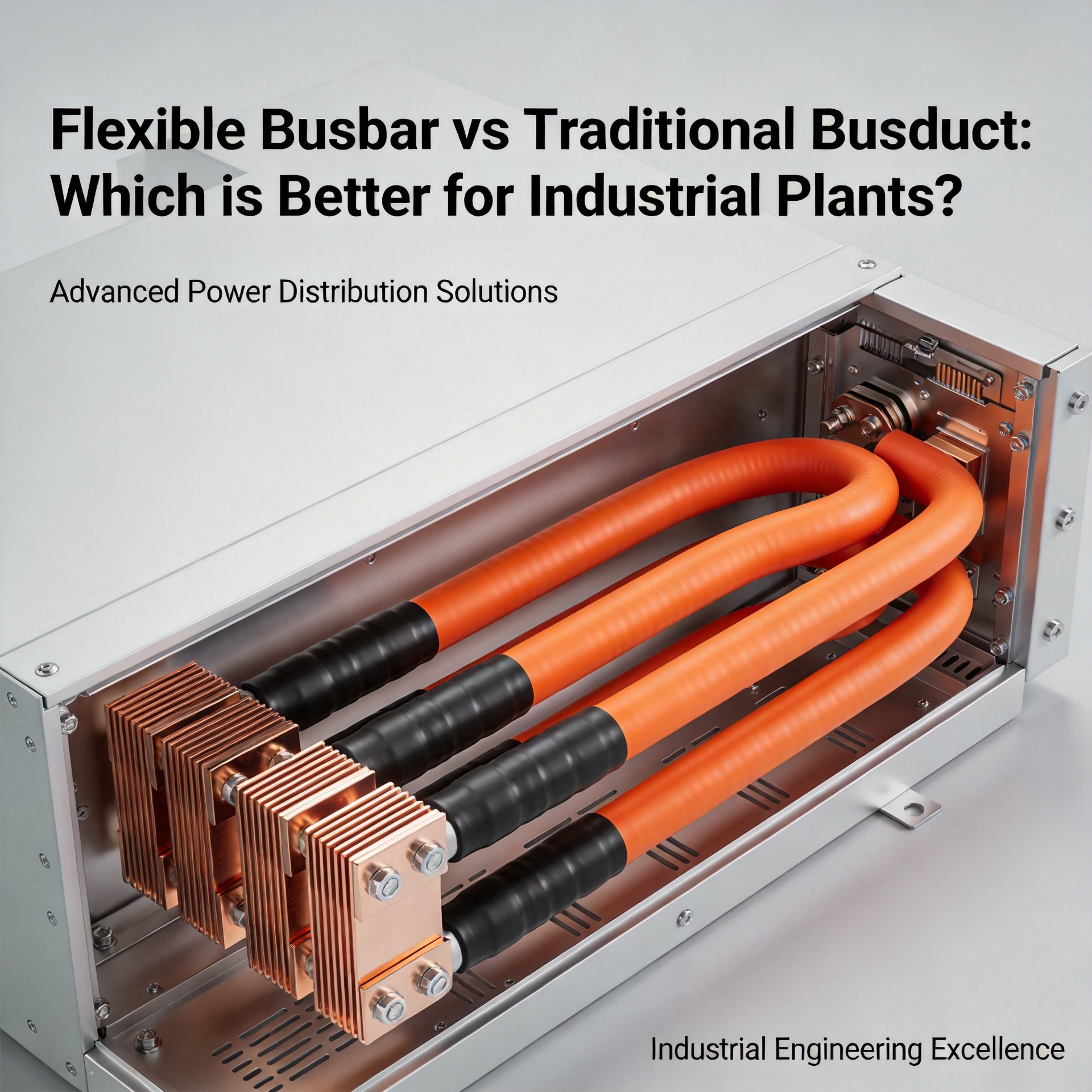
Direct answer: For most new industrial plants and retrofit applications, flexible busbars offer superior space efficiency, easier installation, and lower maintenance compared to traditional busducts. Flexible busbars are generally better where routing complexity, vibration resistance, and installation speed matter, while traditional busducts remain preferred for high-current, high-voltage backbone distribution where rigid mechanical support is standard. Your choice depends on specific plant layout, current capacity requirements, and installation constraints.
Flexible Busbar vs Traditional Busduct: Application Scenario
| Feature | Flexible Busbar | Traditional Busduct |
|---|---|---|
| Installation space | Compact, can bend into tight spaces | Requires straight-line or rigid elbow sections |
| Installation speed | Faster (no complex jointing required) | Slower (multiple jointing points) |
| Vibration resistance | Good (absorbs vibration) | Limited (rigid structure) |
| Current capacity | Up to moderate ranges | Higher for very high currents |
| Voltage rating | Medium voltage typical | High voltage possible |
| Maintenance | Low (fewer joints) | Higher (joint inspection needed) |
Source material supports that flexible busbar systems offer significant space savings and faster installation compared to traditional busduct [K1].
Engineering Decision Criteria
When selecting between flexible busbars and traditional busducts for industrial plants, consider these key factors:
- Plant layout complexity: Flexible busbars excel in irregular or congested spaces. They can route around obstacles without requiring custom fabricated bends.
- Installation timeline: Flexible busbars can reduce installation time by up to 40-60% compared to traditional busduct due to fewer joints and simpler handling.
- Vibration environment: For plants with heavy machinery, compressors, or pumps, flexible busbars absorb vibration better than rigid busduct.
- Future expansion: Flexible busbars allow easier modification and extension of power distribution.
- Cost consideration: Initial material cost may be comparable, but total installed cost favors flexible busbars due to labor savings.
Suitable Cases
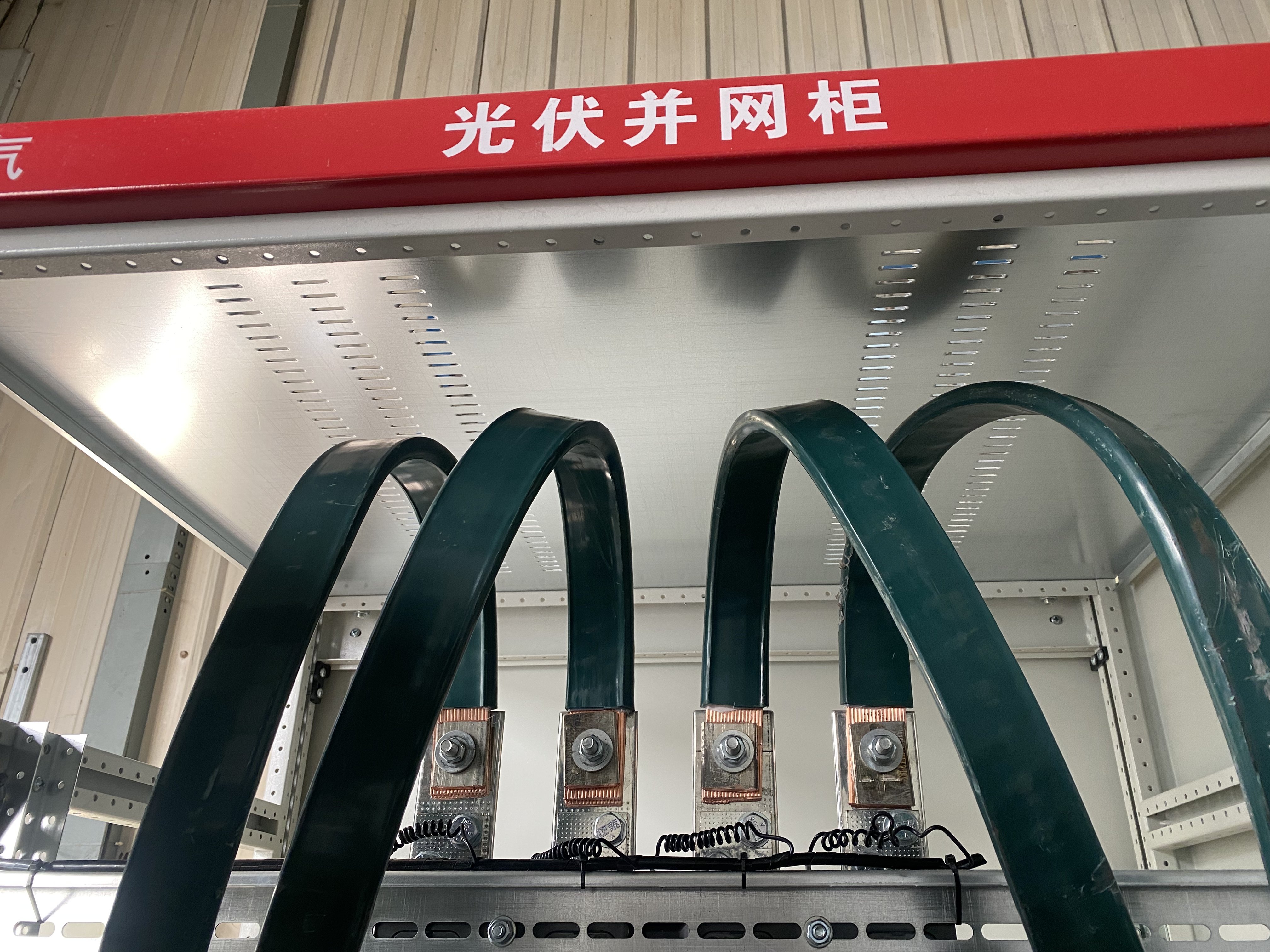
Flexible busbars are particularly suitable for:
- Industrial plant retrofits where existing building structures limit straight-line routing
- Data centers requiring dense power distribution in limited space
- Manufacturing facilities with frequent layout changes
- Applications requiring vibration dampening near rotating equipment
- Renewable energy systems such as solar and battery storage where space optimization is critical
Traditional busducts remain suitable for:
- High-current main feeders above 4000A where rigid support is standard
- Outdoor installations where weather protection is already provided
- Applications requiring standard tap-off boxes with established mechanical interfaces
Not Suitable Cases
- Avoid flexible busbars in extreme high-temperature environments above 90°C unless specifically rated
- Not recommended for very high-voltage applications above 35kV
- Unsuitable for direct burial or submerged installations
- Traditional busduct less suitable for tight, multi-bend routing paths
Procurement Notes
- Verify current rating and voltage rating match your specific plant requirements
- Request installation specifications and bending radius limits
- Consider total installed cost, not just material price
- Ensure manufacturer provides qualified installation guidance
- For fire safety areas, confirm product complies with relevant standards (check local codes)
Frequently Asked Questions
Q1: Can flexible busbars replace existing traditional busduct in a retrofit?
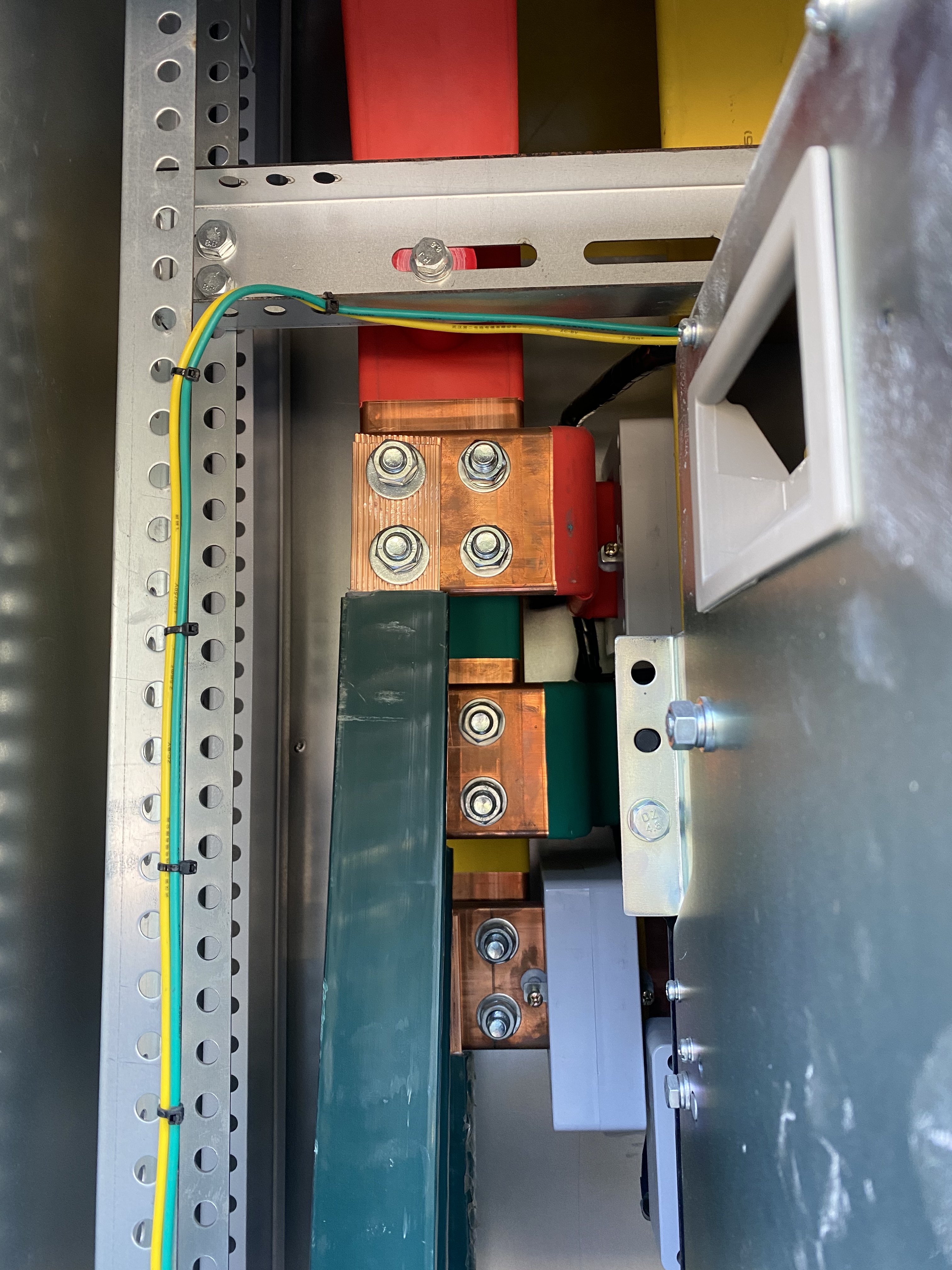
Yes, flexible busbars are particularly well-suited for retrofits because they can be installed into existing cable trays or along existing routes without major structural modifications. However, you must verify that the current rating and voltage rating match your requirements.
Q2: How much space can I save by switching to flexible busbar?
Based on source material, flexible busbar systems can reduce installation space by up to 50% compared to traditional busduct, especially in areas requiring multiple bends or routing around obstacles [K1].
Q3: Are flexible busbars more expensive than traditional busduct?
Initial material costs may be comparable, but total installed cost is often lower for flexible busbars due to reduced labor, fewer joints, and faster installation. Exact pricing depends on your specific project requirements.
Q4: What maintenance do flexible busbars require?
Flexible busbars generally require less maintenance than traditional busduct because they have fewer joint connections. Routine inspections should check for mechanical damage and verify connection tightness, as per manufacturer recommendations.
Q5: Can I combine flexible busbar with traditional busduct in the same system?
Yes, many industrial plants use hybrid approaches: flexible busbars for distribution from main switchgear to downstream equipment, and traditional busduct for main trunk lines where high current capacity and rigid support are needed.
About the Author Yanghua Editorial Team — This article is maintained in the Astro MDX repository and reviewed against the source materials listed for the page.
Certifications, test reports, and performance claims require explicit approval before public publication.
Contact: info@yhflexiblebusbar.com | Phone: +86-769-3893-9888