Flexible Busbar for EV Charging Stations: Technical Advantages
Flexible busbars from Yanghua Cable offer a significant advantage for EV charging stations by simplifying installation in confined spaces, reducing the need for complex bending tools, and providing reliable electrical performance for high-current DC applications, compared to rigid copper bars or traditional cabling [K1]. This makes them a practical choice for modern fast-charging infrastructure where space and efficiency are critical.
Application Scenario
Flexible busbars are ideal for EV charging stations where space is limited, such as in wall-mounted chargers, pedestal units, or underground power distribution systems. They are particularly suited for connecting high-power DC chargers (typically 50 kW to 350 kW) where rigid copper bars require complex bending and precise fabrication [K1]. The flexibility allows for easier routing around obstacles, reducing installation time and labor costs.
Engineering Decision Criteria
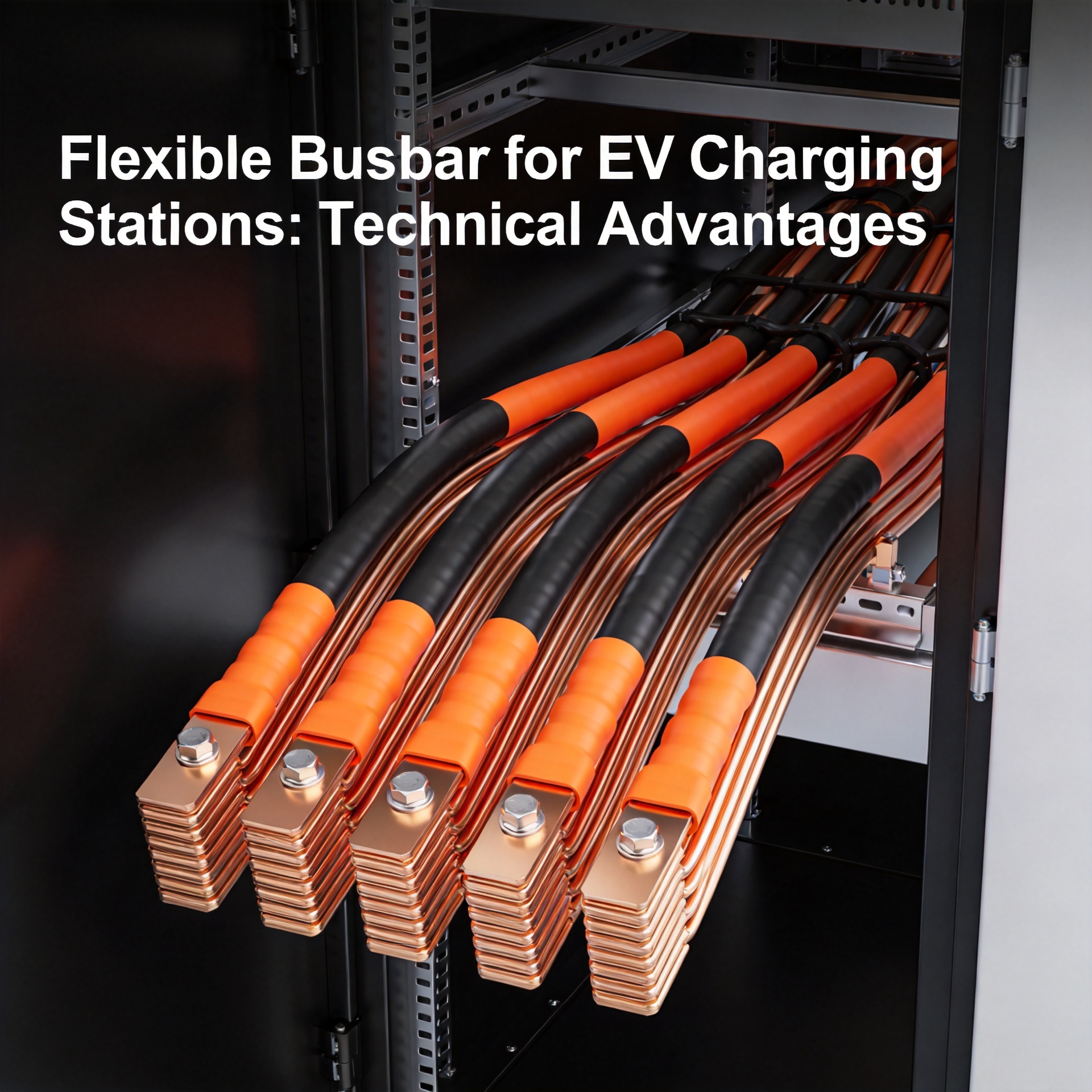
When selecting flexible busbars for EV charging stations, engineers should evaluate based on the following criteria:
| Criterion | Flexible Busbar | Rigid Copper Bar |
|---|---|---|
| Installation flexibility | High; can be bent by hand or with simple tools | Low; requires precision bending equipment |
| Space utilization | Excellent for tight spaces; conforms to layout | Limited; requires straight or pre-bent paths |
| Thermal management | Good with proper insulation; dissipates heat effectively | Excellent; natural heat conductivity |
| Maintenance | Easier to replace or adjust without dismantling entire system | Requires full disconnection for modifications |
| Cost | Moderate; reduces labor and tooling costs | Lower material cost but higher installation expense |
Key factors to consider:
- Current rating: Ensure busbar cross-section supports peak charging currents (e.g., 200A–600A for DC fast chargers) [K1].
- Insulation: Check for high-temperature-rated insulation (e.g., TPE or PTFE) to withstand continuous operation.
- Connector compatibility: Verify terminals match existing busbar connectors or switchgear.
Suitable / Not Suitable Cases
Suitable:
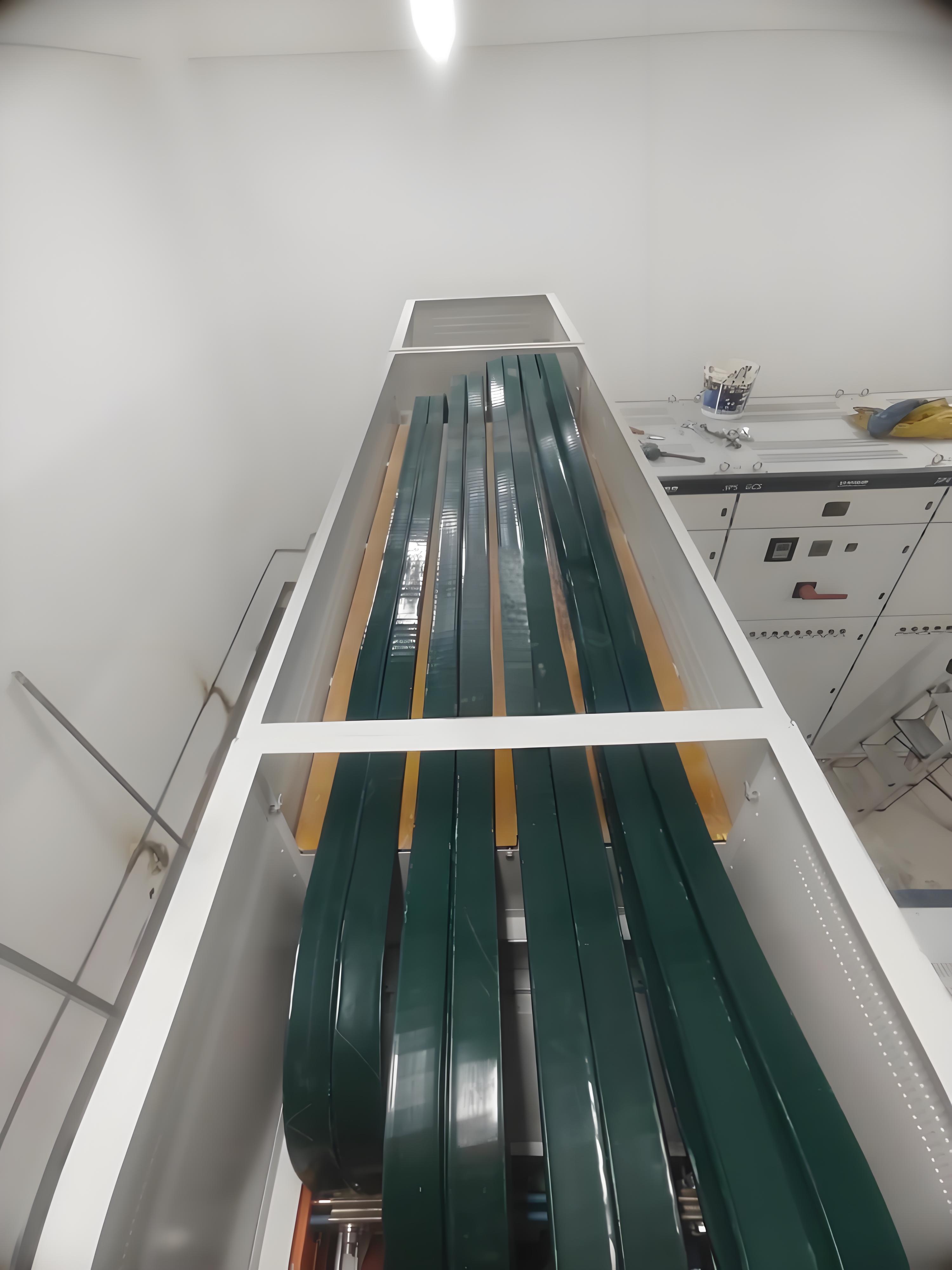
- Retrofitting existing EV charging stations where space constraints prevent rigid bar installation.
- High-density charging hubs where multiple chargers are packed in limited enclosures.
- Mobile or temporary charging stations requiring quick assembly and disassembly.
Not Suitable:
- Low-power AC chargers (under 22 kW) where cable cost is more critical than flexibility.
- Environments with extreme mechanical vibration (e.g., near heavy machinery) unless specified with reinforced construction.
- Applications requiring exact, repeatable geometry (e.g., automated busbar assembly lines) where rigid bars provide consistency.
Procurement Notes
- Verify technical specifications: Request conductor size, voltage rating, and insulation temperature rating from suppliers to match charger output requirements [K1].
- Consider termination: Flexible busbars require compatible terminals or lugs; confirm these are available from the same supplier or third-party sources.
- Test for compliance: Ensure busbars meet relevant safety standards (e.g., IEC or UL) for short-circuit and overcurrent protection—source materials do not specify specific certifications [K1].
- Order lead times: Flexible busbars are often custom-cut and terminated; plan for 2-4 week lead times unless stock items are available.
FAQs
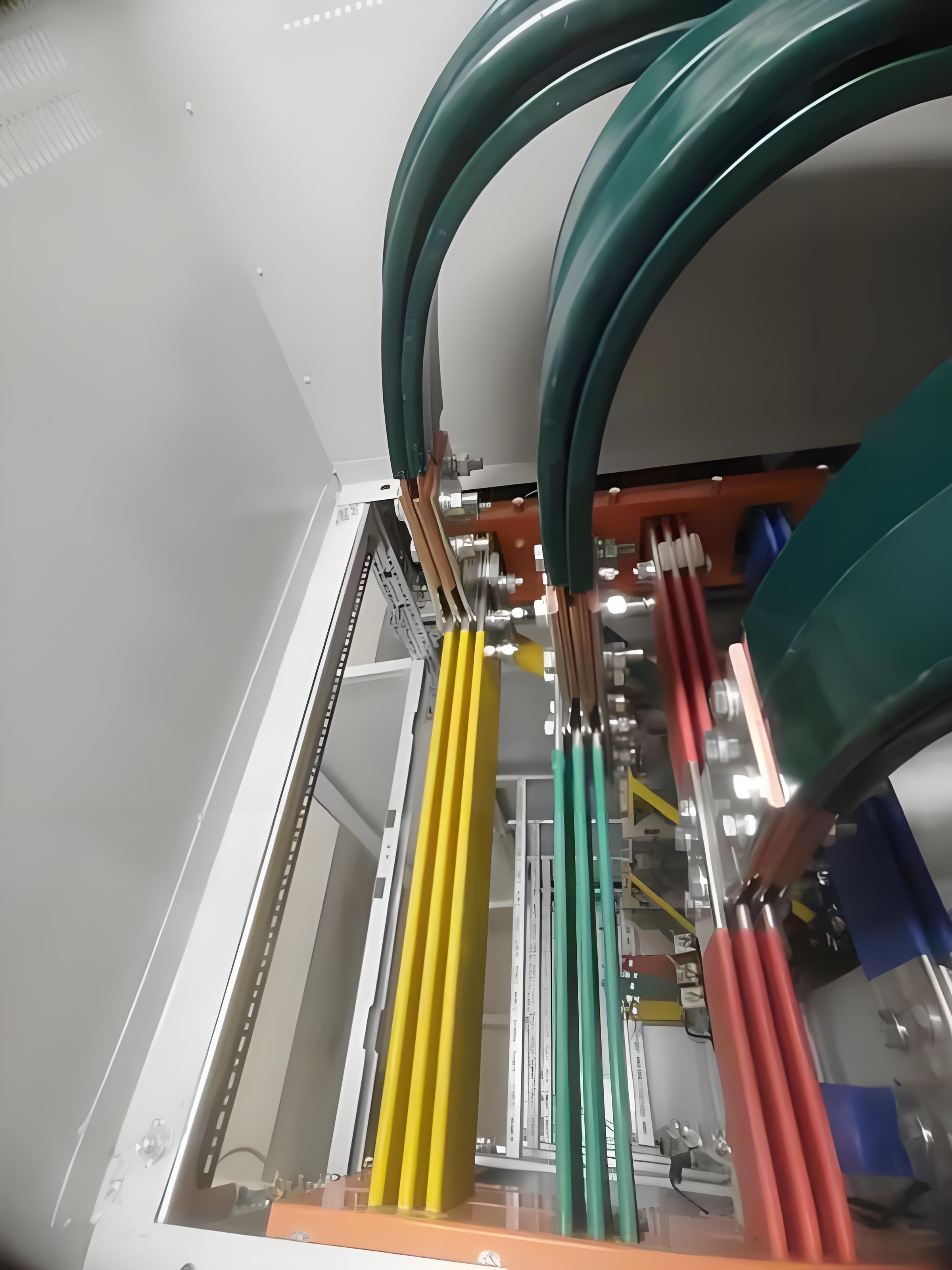
Q1: Can flexible busbars handle the high currents needed for ultra-fast chargers (350 kW+)? A1: Yes, Yanghua flexible busbars are designed for high-current applications, typically up to 600A or more depending on cross-section. However, always verify the current rating against your charger’s peak output—higher currents may require parallel bars or larger conductor sizes [K1].
Q2: Are flexible busbars more expensive than rigid copper bars? A2: The material cost may be higher, but total installed cost is often lower due to reduced labor, no need for bending tools, and faster installation in confined spaces. For large-scale installations, the savings can be substantial.
Q3: How do flexible busbars affect heat dissipation in an enclosed charger? A3: Properly insulated flexible busbars (e.g., with TPE) have good thermal conductivity. However, in enclosed spaces, consider adding ventilation or heat sinks. Compare steady-state temperature rise with your charger’s thermal envelope to avoid overheating.
Q4: What is the typical lifespan of a flexible busbar in an EV charging station? A4: With proper installation and within rated conditions, flexible busbars can last 10-15 years or more, similar to rigid bars. Lifespan depends on thermal cycling and environmental factors—our source material does not specify exact warranty terms [K1].
Q5: Do I need special connectors for flexible busbars? A5: Yes, flexible busbars typically use compression or mechanical clamps designed for stranded conductors. Standard busbar connectors (e.g., DIN rail or bolted) may not work without adapters. Check compatibility with your switchgear before ordering.
About the Author Yanghua Editorial Team — This article is maintained in the Astro MDX repository and reviewed against the source materials listed for the page.
Certifications, test reports, and performance claims require explicit approval before public publication.
Contact: info@yhflexiblebusbar.com | Phone: +86-769-3893-9888