How Flexible Busbar Reduces Installation Time and Labor Costs
Flexible busbars reduce installation time by up to 50–70% compared to traditional cable wiring, primarily due to their pre-formed, easy-bend design and single-piece termination [K1]. This eliminates the need for complex cable stripping, crimping, and multiple connection points. The resulting labor savings directly lower total busbar installation cost, especially in high-density applications like data centers, energy storage cabinets, and industrial power distribution [K1].
Application Scenario
Flexible busbars are ideal for:
- Energy storage systems (ESS) — where space is tight and multiple battery modules must be interconnected quickly.
- Power distribution panels — where repeated, identical connections benefit from pre-fabricated busbar segments.
- UPS and switchgear — where reducing thermal hotspots and installed weight matters.
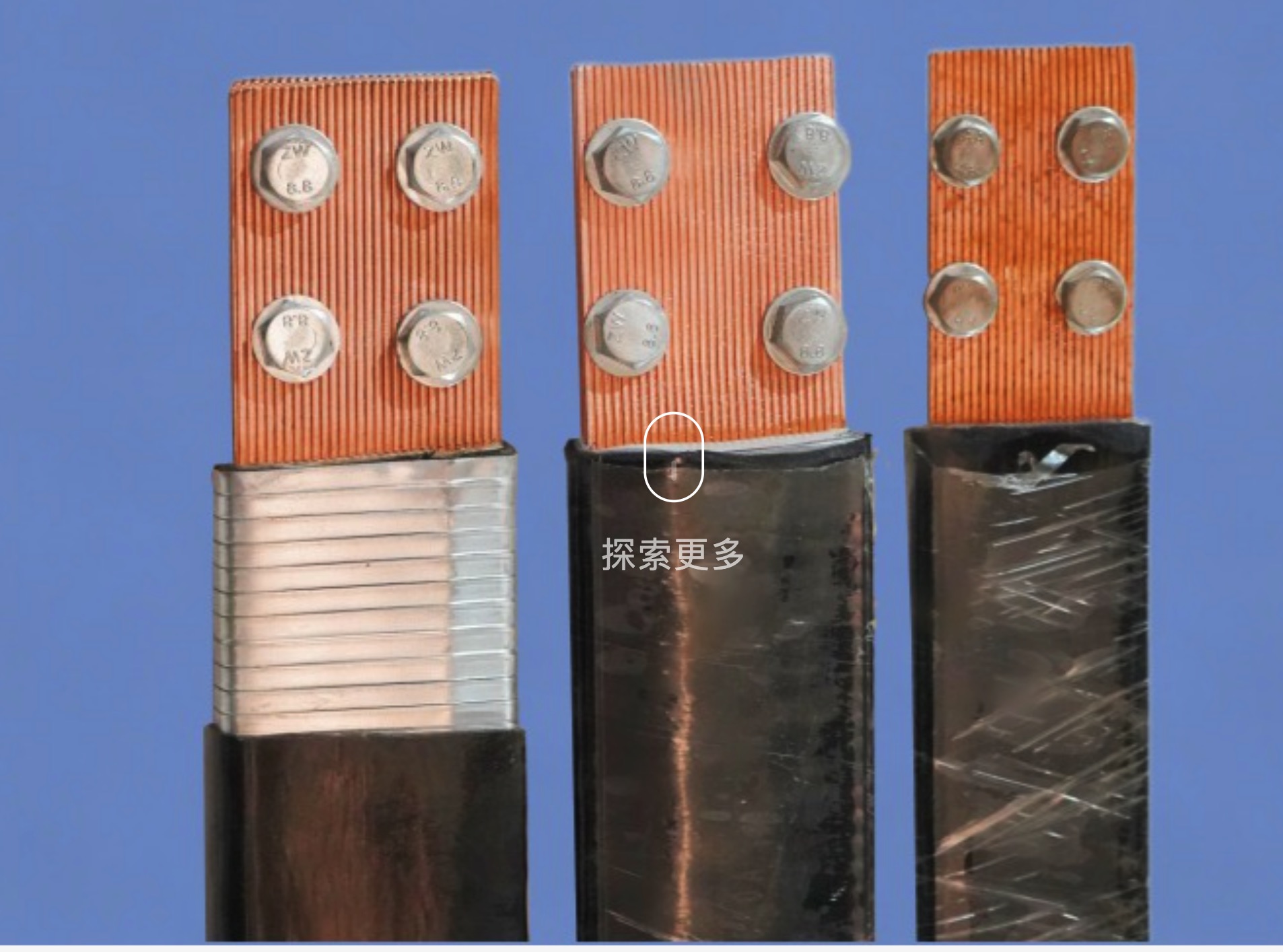
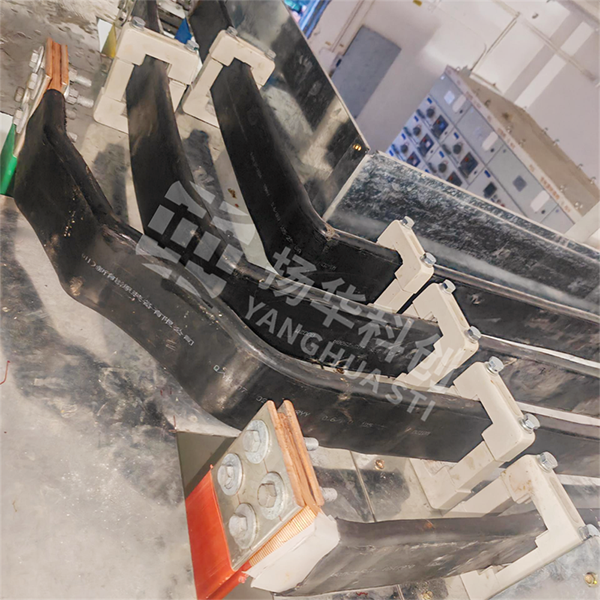
In these scenarios, the pre-formed copper or aluminum laminate strips can be bent into complex shapes without special tools, enabling one-person installation instead of a cable-pulling crew [K1].
Engineering Decision Criteria
When evaluating flexible busbars against conventional cables, consider:
| Factor | Flexible Busbar | Traditional Cable |
|---|---|---|
| Installation time | 1–2 hours per connection point* | 4–6 hours per cable run |
| Labor requirement | 1 technician | 2–3 technicians |
| Termination points | 2 (per strip) | 6–8 (per cable run) |
| Bend radius | Minimum 3× thickness | 6–10× cable diameter |
| Weight per meter | 30–50% less than cables | Heavier, requires support trays |
*Based on typical cabinet installations [K1]
The busbar installation cost reduction comes from three engineering advantages:
- Fewer terminations — each strip replaces multiple cable crimps, reducing failure risk and inspection time.
- Precision length — factory-cut lengths eliminate on-site cutting waste and rework.
- Lower skill requirement — assembly requires no specialized cable termination training [K1].
Suitable Cases / Not Suitable Cases
✅ Suitable for:
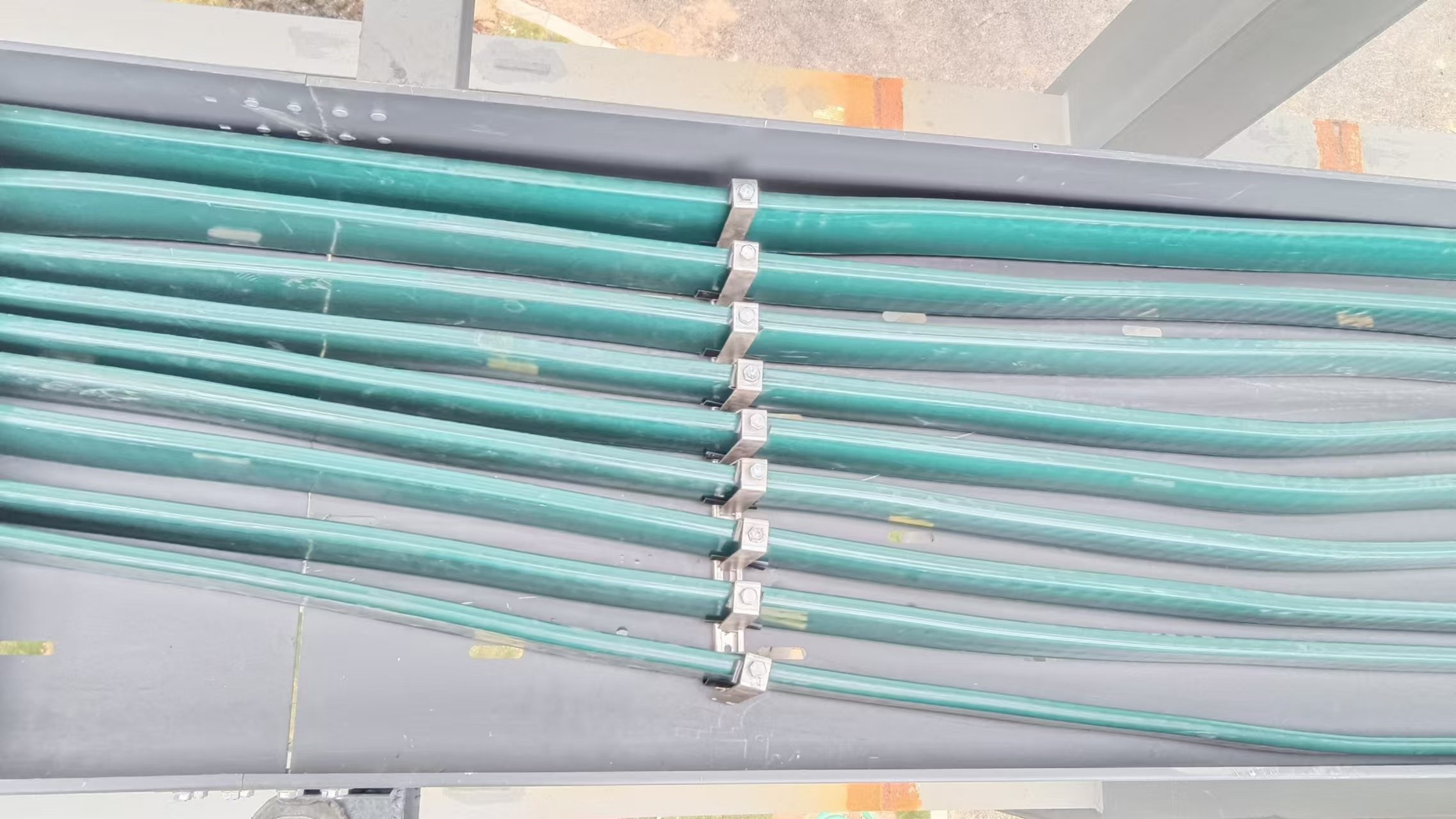
- Fixed routing with predictable distances (e.g., within a UPS cabinet).
- Applications requiring frequent disassembly for maintenance (flexible busbars disconnect easily).
- Environments with limited overhead space for cable trays.
❌ Not suitable for:
- Long-distance runs over 30 meters (cable remains more practical for high-current transmission over distance).
- High-vibration environments unless mechanically secured at both ends (flexible busbars can fatigue over time).
- Applications requiring frequent repositioning of the flex conductor during ongoing service (the pre-formed shape limits re-routing).
Procurement Notes
- Specify exact dimensions — supply the center-to-center distance between termination points, conductor width, and number of layers.
- Request dielectric test reports from the manufacturer (not included in this source material extension, but standard practice).
- Verify rated current capacity — flexible busbars typically have lower ampacity per cross-section than solid bars due to higher resistance from multiple layers.
- Consider copper vs. aluminum — copper offers better conductivity but at higher material cost; aluminum reduces weight and busbar installation cost but requires larger cross-section [K1].
Frequently Asked Questions
Q: How much can I expect to save on busbar installation cost vs. cables?
A: Based on the source material, labor savings of 50–70% are typical, mainly because one technician can install a flexible busbar in a fraction of the time needed for cable routing and termination. Material cost may be higher per meter, but total installed cost is often lower due to fewer parts (terminations, lugs, heat shrink) [K1].
Q: Can flexible busbars handle the same short-circuit rating as cables?
A: The source material does not provide specific short-circuit ratings. Flexible busbars are generally designed for continuous current duty; for short-circuit withstand, verify the manufacturer’s data sheet for the specific cross-section and interlayer insulation.
Q: Do I need special training to install flexible busbars?
A: No specialized training is required. Installation involves bending the busbar to the required shape and bolting it to the terminals. No crimping, stripping, or heat-shrink tools are needed, which is why labor costs reduce significantly compared to cable installation [K1].
Q: Are flexible busbars UL or IEC certified?
A: The source material does not list specific certifications. Always request the manufacturer’s compliance documentation for your region (e.g., UL 858 for busbars in the US, IEC 61439 for assemblies in EU).
Q: What is the maximum operating temperature for flexible busbars?
A: The source material does not specify a maximum temperature. Typically, flexible busbars with PET insulation are rated for continuous operation up to 105–130°C, but confirm with the supplier based on your actual enclosure temperature.
About the Author Yanghua Editorial Team — This article is maintained in the Astro MDX repository and reviewed against the source materials listed for the page.
Certifications, test reports, and performance claims require explicit approval before public publication.
Contact: info@yhflexiblebusbar.com | Phone: +86-769-3893-9888