Rail Transit Power Distribution: IP68 Flexible Busbar Solutions
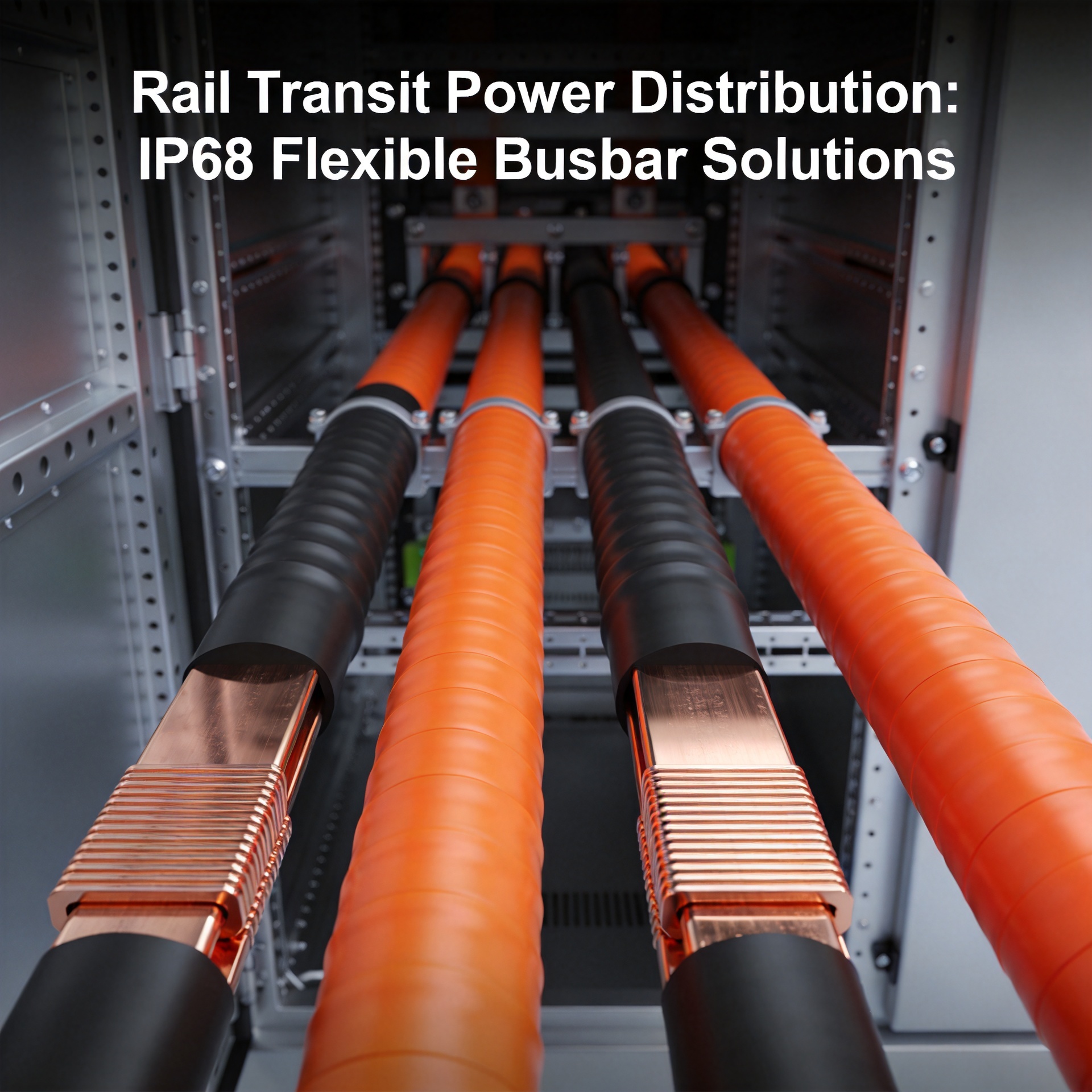
For rail transit power distribution, IP68 flexible busbar systems provide a watertight, bendable alternative to traditional cable trays and rigid busbars, enabling installation in confined tunnels and wet environments without external enclosures. Yanghua’s flexible busbar achieves IP68 protection for submersion up to 1 meter for 30 minutes, supports custom bending radii, and maintains electromagnetic compatibility for signaling systems. This solution applies to tunnel lighting, ventilation, and auxiliary power but is not certified for direct traction power or fire-rated emergency circuits.
Application Scenario
Rail transit environments demand power distribution that can withstand moisture, vibration, limited access, and electromagnetic interference from signaling equipment. IP68 flexible busbars serve these scenarios [K1]:
- Tunnel lighting circuits: Subject to condensation and occasional flooding
- Ventilation fan power: Exposed to vibration and high-humidity tunnels
- Auxiliary equipment: Pumps, sump systems, and escalator power
- Station basements: Below-grade areas with potential water ingress
Unlike rigid busbars requiring straight runs and complex joints, flexible busbar sections follow tunnel curves, fit under seats, and squeeze through cable trays that are already full [K1].
Engineering Decision Criteria
When evaluating IP68 flexible busbars versus traditional distribution, consider these factors:
| Criterion | Flexible Busbar (IP68) | Rigid Busbar | Cable Tray |
|---|---|---|---|
| Bend radius | Custom, tight radius OK [K1] | Straight sections only | Limited by cable type |
| Water protection | IP68 submersion rated | Requires IP54+ enclosure | No inherent protection |
| Installation speed | Fast, single operator | Requires lifting equipment | Moderate |
| EMC performance | Integrated shield for EMC | Good with enclosure | Depends on cables |
| Space utilization | Fits 30-50% less volume | Requires significant clearance | Moderate |
| Short-circuit rating | Medium (up to 25 kA peak) [K1] | High (up to 100 kA) | Low-medium |
Critical note: Always verify the short-circuit withstand rating matches your installation point’s available fault current. Flexible busbars generally have lower short-circuit capacity than comparable rigid busbars [K1].
Suitable vs. Not Suitable Cases
Suitable for IP68 Flexible Busbar
| Case | Why It Works |
|---|---|
| Tunnel sidewall power for LED lighting | Waterproof, follows tunnel curve |
| Fan power in wet shaft | IP68 eliminates enclosure cost |
| Temporary rail yard power | Quick install, relocatable |
| Under-platform distribution | Low profile, vibration resistant |
Not Suitable for IP68 Flexible Busbar
| Case | Why Avoid |
|---|---|
| Main traction power (25 kV, 1500 V DC) | Voltage class mismatch [K1] |
| Emergency fire pump circuits | Requires fire-rated cable per codes |
| High short-circuit locations (>25 kA) | Risk of thermal damage |
| Long straight runs over 500 m | Voltage drop limits apply |
Procurement Notes
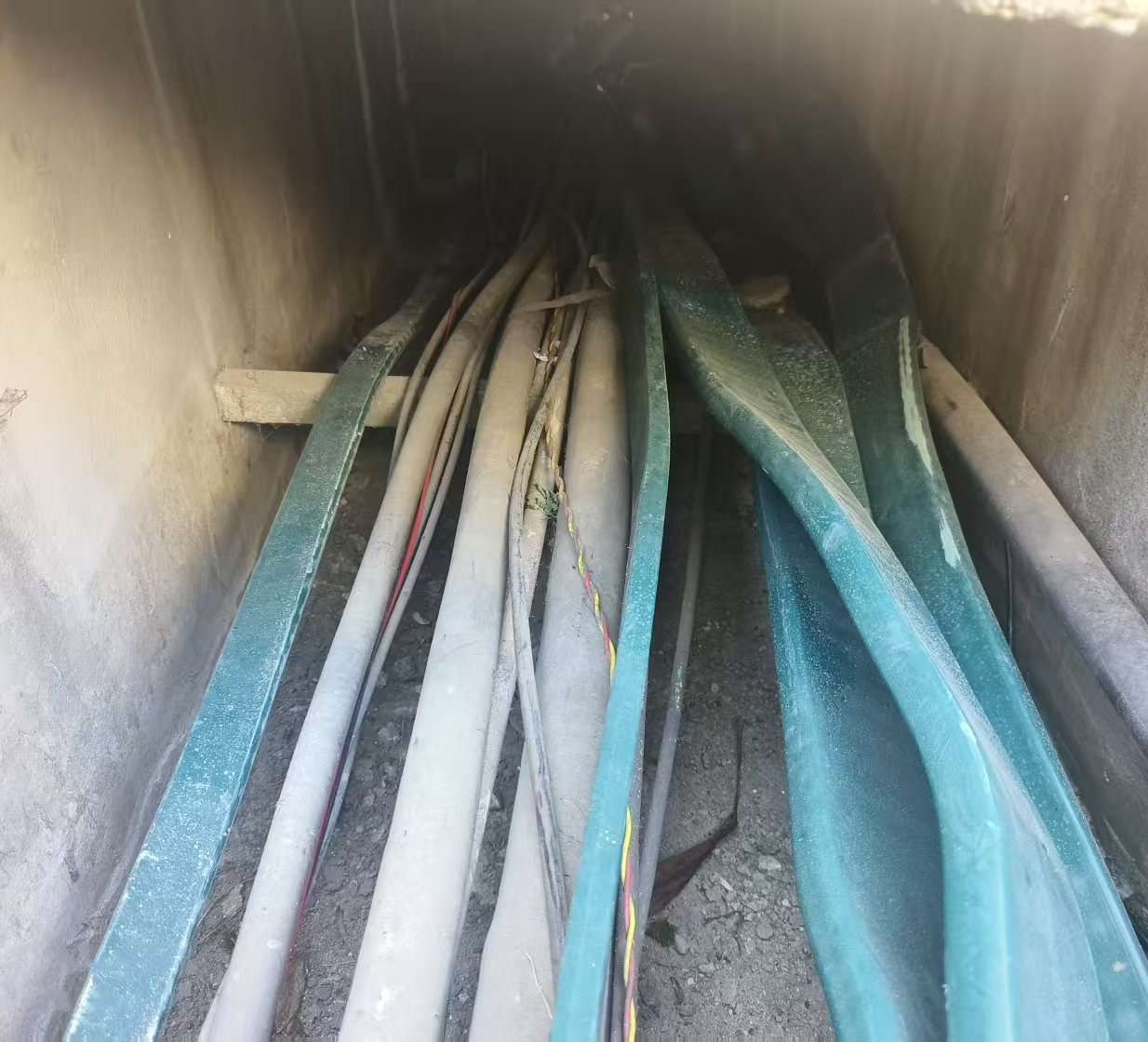
When ordering IP68 flexible busbar for rail transit projects:
-
Specify exact environmental conditions: Temperature range, chemical exposure (tunnel cleaners), and submersion duration, not just “IP68”
-
Request third-party test reports: Manufacturer self-declared IP68 may differ from certified test house results [K1]
-
Consider voltage de-rating: Verify the busbar’s rated voltage for your specific application voltage; some products lose voltage rating at higher temperatures
-
Plan for thermal expansion: Flexible busbars have higher coefficient of thermal expansion than rigid; account for 2-3 mm per meter for temperature changes
-
Ordering lead times: Custom bend radii add 2–4 weeks delivery; standard straight sections ship faster
Frequently Asked Questions
Q: Can IP68 flexible busbar be directly buried in concrete for rail platforms?
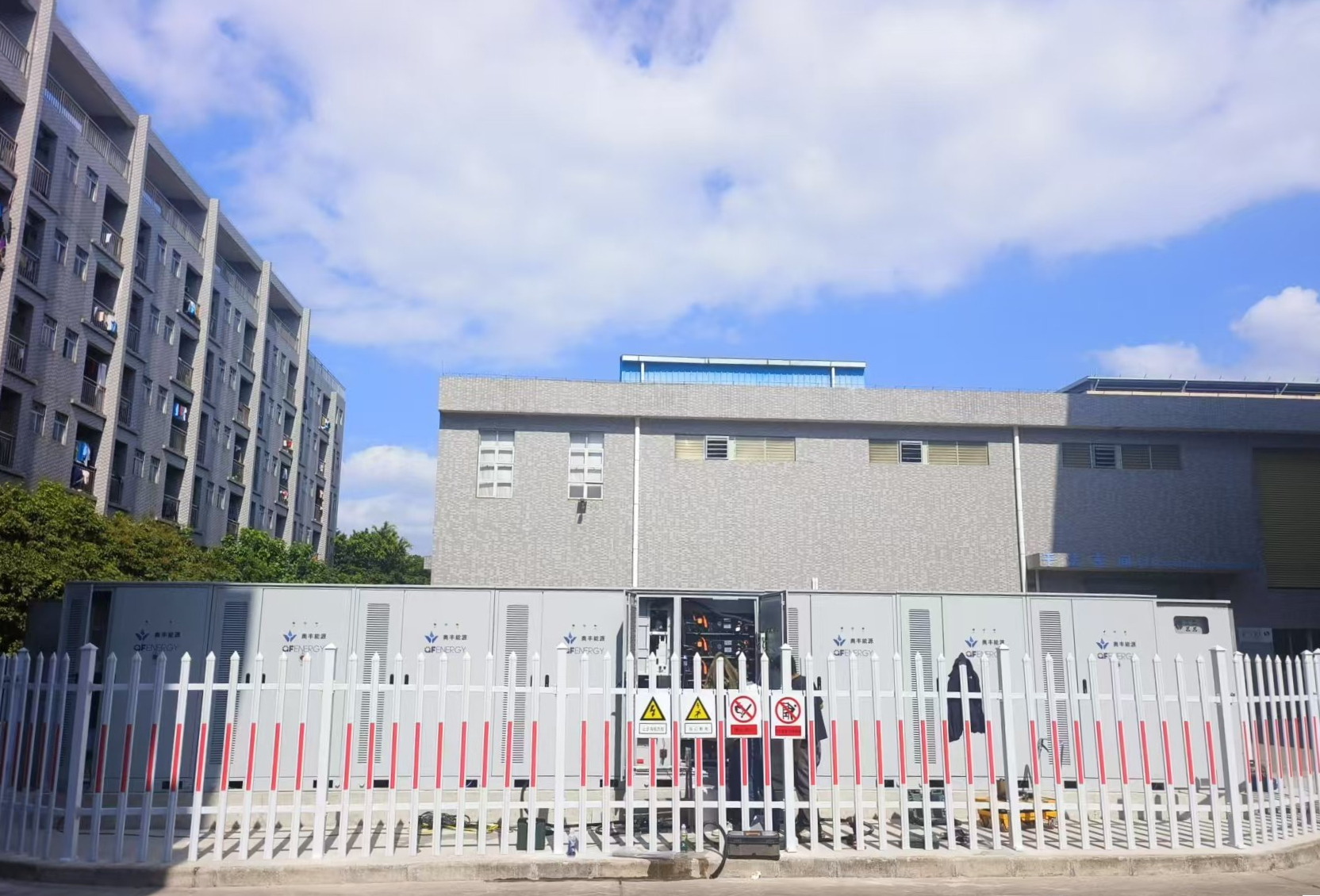
A: No. While the busbar is rated IP68 against water ingress, concrete contains moisture and chemical admixtures that may degrade the outer jacket over time. Use an appropriate duct or conduit for buried installations.
Q: How does flexible busbar handle the vibration from passing trains?
A: Yanghua flexible busbars use multi-strand conductors that absorb vibration better than rigid busbars. However, ensure all support brackets are designed with vibration damping pads spaced according to the manufacturer’s guidelines for rail applications.
Q: Is IP68 flexible busbar compatible with existing rail signaling systems?
A: Yes, if the busbar is specified with proper electromagnetic shielding. The EMC screening must be bonded at both ends to avoid creating ground loops that interfere with track circuits. Verify with the design engineer.
Q: What is the maximum operating temperature for busbar in a rail tunnel?
A: Typical continuous ratings are 90°C to 105°C for the conductor, but this drops when the busbar is installed in high-ambient tunnels. Always de-rate for ambient temperature and check the manufacturer’s specific documentation.
Q: Can I connect flexible busbar directly to switchgear without a junction box?
A: Only if the connection point is within the IP68 rating zone. Many switchgear cabinets are only IP54 or IP65, creating a compatibility risk. Use an IP68-rated transition gland or junction box at the interface.
About the Author Yanghua Editorial Team — This article is maintained in the Astro MDX repository and reviewed against the source materials listed for the page.
Certifications, test reports, and performance claims require explicit approval before public publication.
Contact: info@yhflexiblebusbar.com | Phone: +86-769-3893-9888