What is Flexible Busbar? Complete Guide to High-Current Power Distribution
Direct Answer
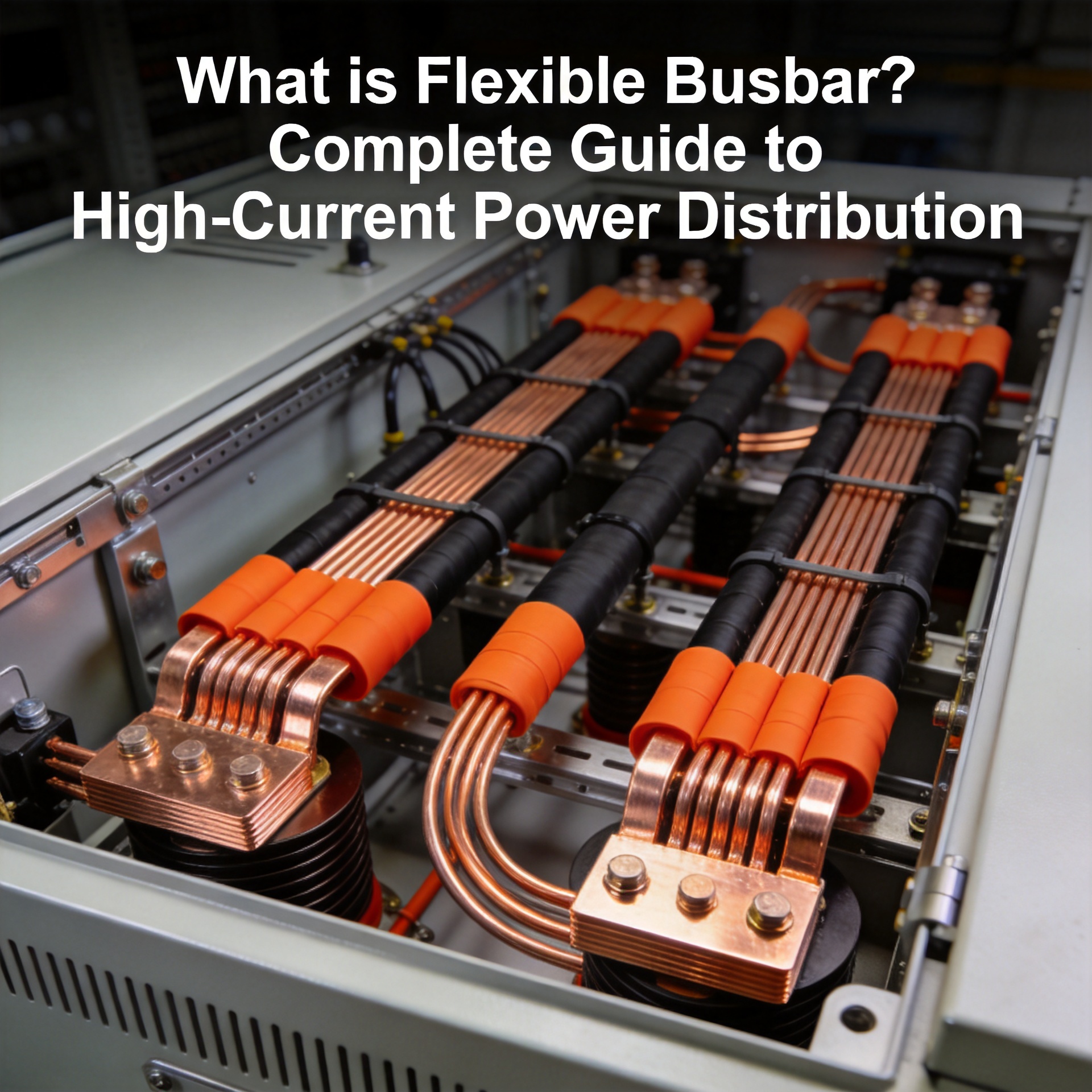
A flexible busbar is a high-current electrical conductor made from multiple thin copper or aluminum layers laminated together, offering bendability for tight spaces, superior heat dissipation, and low inductance compared to traditional cables [K1]. It serves as an alternative to power cables and rigid busbars in applications requiring high current density, space efficiency, and simplified installation. Flexible busbars are widely used in energy storage systems, electric vehicles, switchgear, and industrial power distribution where frequent movement or vibration occurs.
What Makes a Flexible Busbar Different?
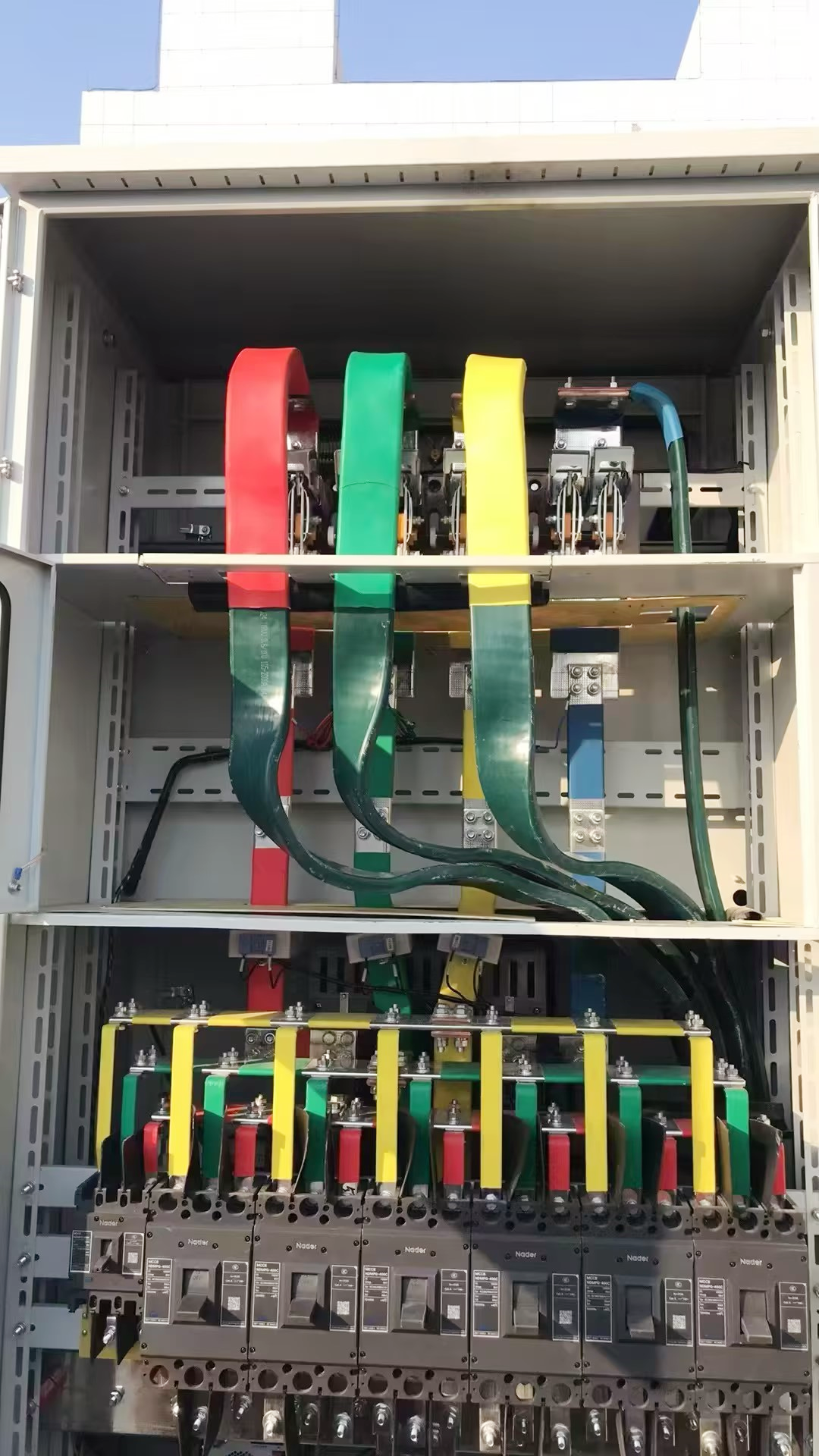
Unlike rigid busbars or traditional cables, flexible busbars are constructed from thin, stacked metal foils—typically copper—that can be bent, twisted, or folded to fit complex pathways. This design provides:
- Low inductance – Ideal for high-frequency or pulse-power applications [K1]
- Enhanced thermal performance – Greater surface area for heat dissipation
- Space savings – Can be routed in compact, non-linear configurations
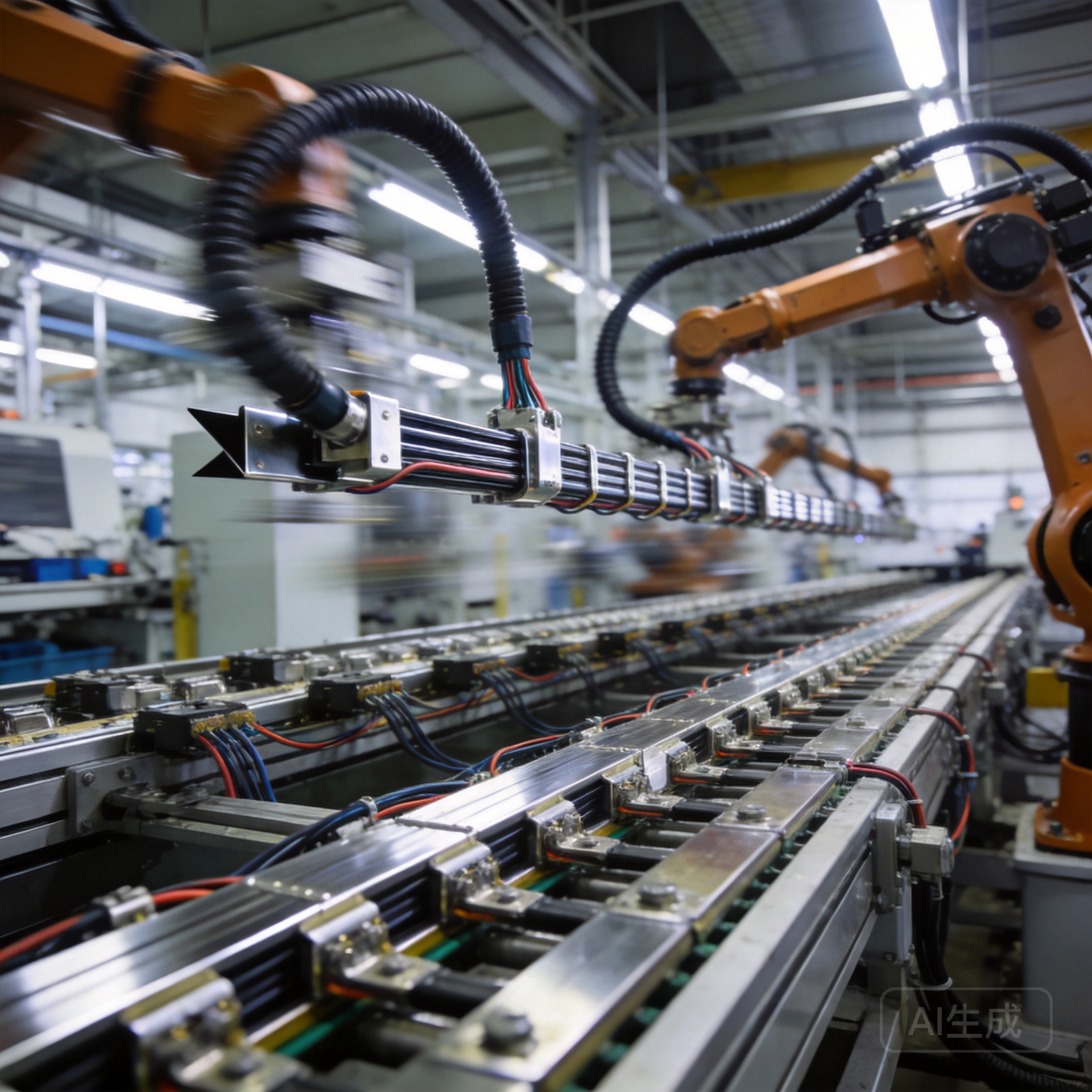
- Vibration resistance – Suitable for moving parts or high-shock environments
- Reduced installation labor – No cable stripping or complex termination
Application Scenarios
Flexible busbars are particularly effective in:
| Application | Why Flexible Busbar Fits | Typical Current Range |
|---|---|---|
| Energy storage systems (ESS) | Battery rack connections, cell interconnects | 100–1000 A |
| Electric vehicles (EV) | Battery-to-inverter, traction motor connections | 200–500 A |
| Industrial switchgear | Main bus connections, drawout breakers | 400–3000 A |
| Data center power distribution | UPS to rack PDU, busway tap-offs | 200–600 A |
| Renewable inverters | DC bus links, capacitor bank connections | 100–2000 A |
Engineering Decision Criteria
When evaluating flexible busbars, key parameters include [K1]:
| Parameter | Why It Matters | Typical Range |
|---|---|---|
| Current rating | Determines conductor cross-section and layers | 100–4000 A |
| Material | Copper for higher conductivity; aluminum for lighter weight | Copper (annealed) or aluminum |
| Layer count | Increases flexibility and current capacity | 4–20+ layers |
| Insulation | PVC, silicone, or varnished; affects dielectric strength | Up to 5 kV |
| Bending radius | Minimum radius for installation without damage | 5–10× layer thickness |
| Temperature rise | Maximum allowable under full load | 30–65°C above ambient |
When to Use vs. When to Avoid
✅ Suitable for:
- High-current connections in confined spaces
- Applications with repetitive motion, vibration, or thermal cycling
- Systems where low inductance is critical (e.g., IGBT modules, inverters)
- Battery packs requiring flexible, vibration-resistant interconnects
❌ Not Suitable for:
- Extremely long-distance runs (>5–10 meters) where cable is more economical
- Very high-voltage applications (>5 kV without specialized insulation)
- Environments with heavy contamination or moisture unless fully encapsulated
- Applications requiring frequent field modifications without spare lengths
Procurement Notes
When sourcing flexible busbars:
- Specify exact dimensions and tolerances – Provide CAD or 2D drawing of the pathway and termination points.
- Request test data – Ask for current-carrying capacity test reports, temperature rise data, and insulation voltage withstand results.
- Consider plating – Tin, silver, or nickel plating may be required for corrosion resistance or lower contact resistance.
- Termination type – Choose between pre-formed lugs, tinned ends, or custom connectors based on your system.
- Lead time – Custom lengths and layer counts typically require 2–6 weeks depending on complexity.
Note: Always verify that the manufacturer can provide material certificates and type test reports for your specific application.
Frequently Asked Questions
Q: Can flexible busbars replace cables in existing installations? A: Yes, but you must verify current rating, voltage, and bending radius constraints. Flexible busbars often require less space but need custom fabrication for each run.
Q: How do I calculate the current rating of a flexible busbar? A: Current rating depends on cross-sectional area, material (copper or aluminum), operating temperature, and cooling conditions. Thicker busbars (more layers or thicker foils) carry more current, but ventilation and enclosure affect actual ratings.
Q: Are flexible busbars suitable for outdoor use? A: Only if properly insulated and protected from moisture, UV, and temperature extremes. PVC or silicone insulation can provide weather resistance for limited outdoor exposure.
Q: How do I choose between copper and aluminum flexible busbars? A: Copper offers higher conductivity and mechanical strength, while aluminum is lighter and less expensive. Copper is preferred for high-current or space-constrained designs; aluminum can work for lower-current or weight-sensitive applications.
Q: Do flexible busbars require special terminations or connectors? A: Yes. Terminations must be designed to match the busbar’s layer structure and ensure low resistance. Lugs are typically crimped, welded, or bolted to tinned ends. Avoid twisting or compressing the layers beyond their design limits.
About the Author Yanghua Editorial Team — This article is maintained in the Astro MDX repository and reviewed against the source materials listed for the page.
Certifications, test reports, and performance claims require explicit approval before public publication.
Contact: info@yhflexiblebusbar.com | Phone: +86-769-3893-9888