Safe High-Current Distribution: Fire Protection and Overload Analysis of Flexible Busbar
Flexible busbar systems provide a lightweight, space-saving alternative to traditional cable for high-current distribution, particularly in energy storage and industrial applications. However, their fire protection and overload behavior differ significantly from conventional cables. This analysis examines key engineering considerations for safe deployment, based on Yanghua’s technical specifications and application experience.
Direct Answer
Flexible busbar systems offer superior thermal performance and fire resistance compared to traditional cables, making them suitable for high-current applications like battery energy storage systems (BESS). When properly engineered with correct cross-sectional area and bending radius, flexible busbars maintain stable temperature rise under rated loads. However, their performance depends critically on correct installation, adequate ventilation, and strictly following manufacturer temperature limits (typically 105°C for standard insulation). Overload capacity is limited compared to cables, requiring careful thermal management in enclosed spaces.
Application Scenario
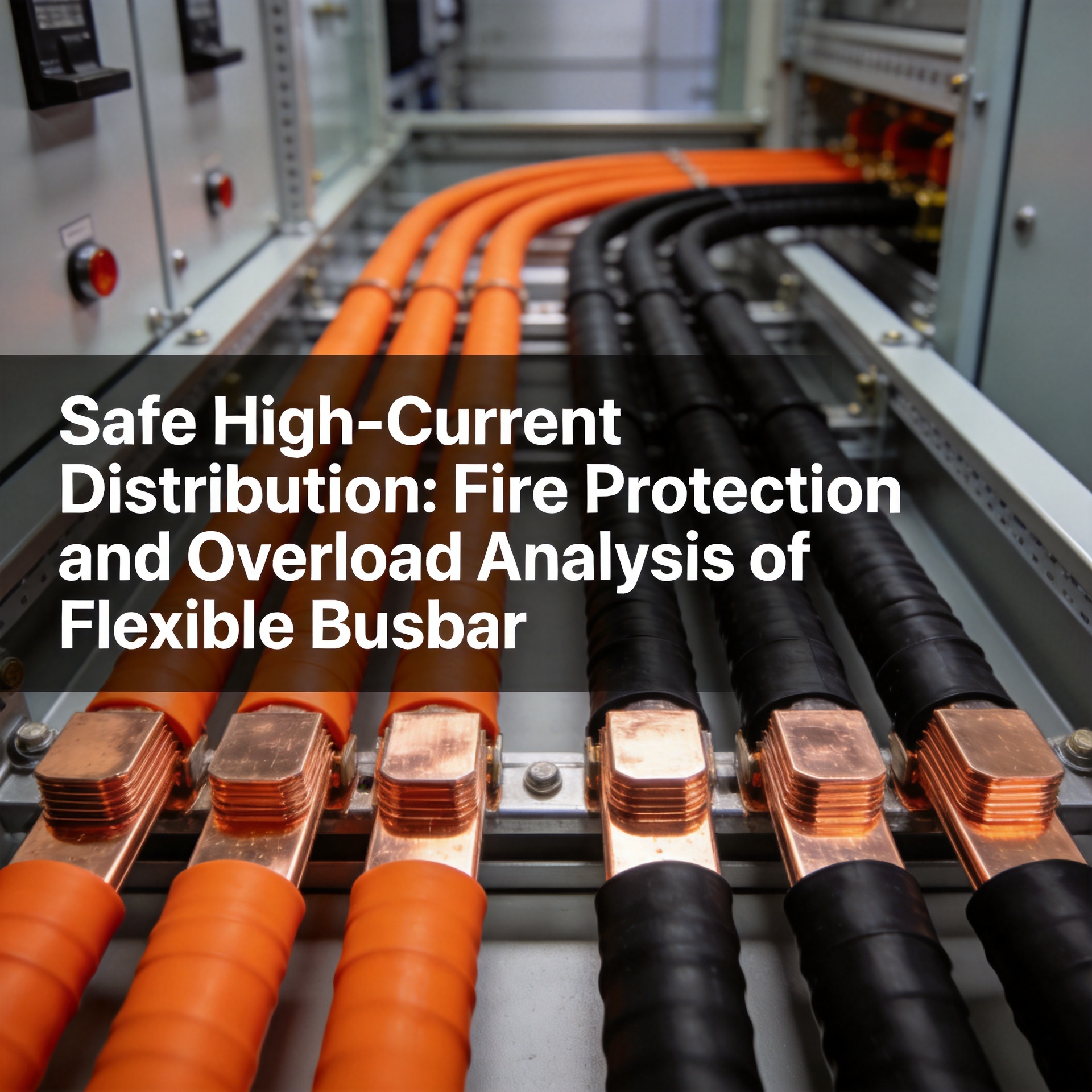
Flexible busbar excels in:
- Battery energy storage systems: Connecting battery racks, delivering 50-1000A with minimal heat generation [K1]
- Power distribution cabinets: Replacing rigid busbars for space-constrained layouts
- Electric vehicle charging stations: High-ampacity connections with vibration resistance
- Industrial automation: Moving machine parts requiring flexible current paths
Engineering Decision Criteria
Cross-Sectional Area and Ampacity Selection [K1]
| Load Current (A) | Recommended Cross-Section (mm²) | Maximum Continuous Temp Rise (°C) | Typical Application |
|---|---|---|---|
| 50-100 | 10-16 | 30-45 | Control cabinets |
| 100-200 | 16-35 | 35-50 | Distribution panels |
| 200-400 | 35-70 | 40-55 | Energy storage racks |
| 400-600 | 70-120 | 45-60 | High-power equipment |
| 600-1000 | 120-200 | 50-70 | Main busway connections |
Key engineering decisions:
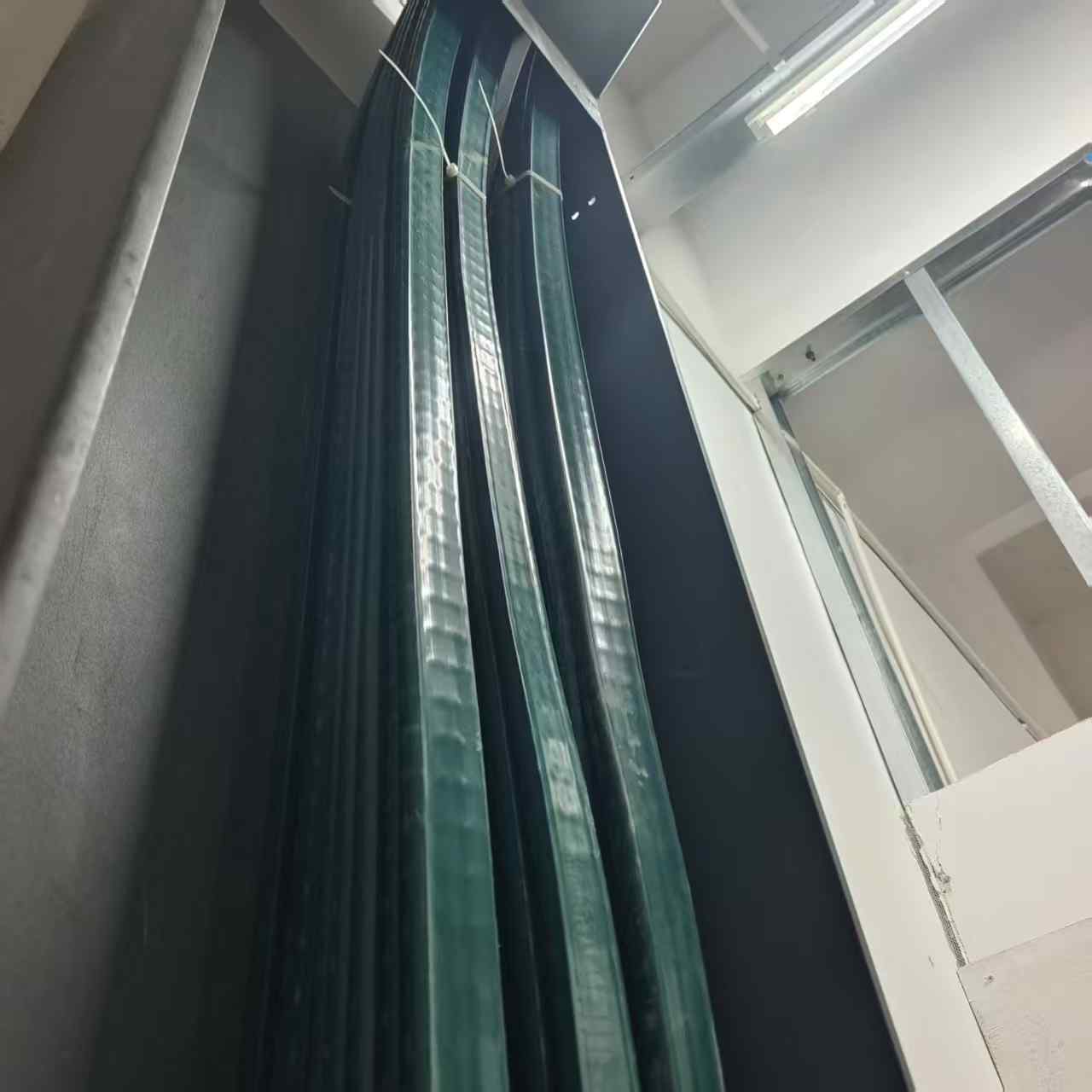
- Bending radius: Minimum 5x busbar thickness to prevent internal fractures that create hotspots [K1]
- Ventilation requirement: Derate ampacity by 15-20% in enclosed spaces with limited airflow
- Connection method: Use bolted connections with proper torque specification to avoid resistance heating
- Thermal management: Monitor surface temperature; continuous operation above 105°C indicates under-sizing or inadequate cooling
Suitable / Not Suitable Cases
Suitable ✅
- Short-distance, high-current paths (0.5-5m) where wire routing flexibility is needed
- Applications requiring multiple parallel current paths (e.g., redundant BESS connections)
- Vibration-prone environments where rigid cabling would fail (e.g., mobile ESS units)
- Spaces with tight clearance where single conductors are impractical (e.g., 0.5-1.0mm thickness allows tight stacking)
Not Suitable ❌
- Long-distance distribution (>10m) where I²R losses become significant
- Outdoor installations without additional weatherproofing (standard insulation is indoor-rated)
- Overload-heavy applications (motor starting circuits, welding equipment) without thermal protection devices
- High-ambient-temperature environments (>55°C) without derating or ceramic insulation upgrades
Procurement Notes
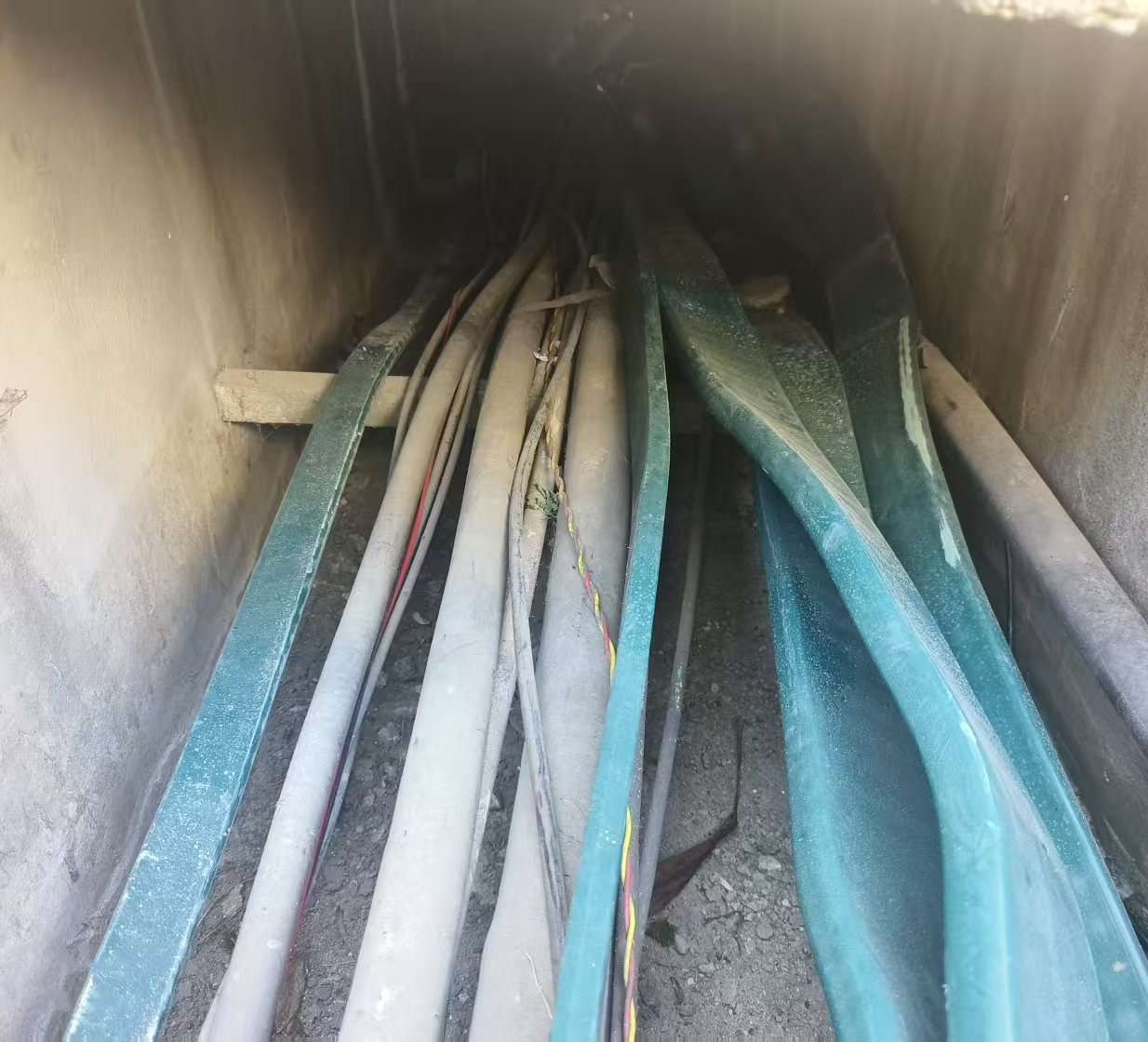
- Specify the correct cross-section: Use Yanghua sizing tables for 50-1000A loads, considering actual ambient temperature and bundling factors [K1]
- Order custom lengths: Flexible busbars are manufactured to exact customer lengths; avoid field-cutting which damages insulation integrity
- Verify insulation class: Standard PVC insulation (105°C) is for indoor use; specify silicone or PTFE for higher-temperature applications
- Request termination details: Pre-fabricated connection ends reduce installation errors and contact resistance
- Avoid mixing metals: Use copper busbars with copper terminals; aluminum-to-copper connections require bi-metallic washers
Frequently Asked Questions
Q1: Can flexible busbar replace traditional cable directly without recalculating ampacity? A: No. Flexible busbar has different thermal characteristics. Always consult the manufacturer’s ampacity table for your specific cross-section and ambient temperature. Derating may be required in enclosed spaces [K1].
Q2: What causes overheating in flexible busbar systems? A: Common causes include: undersized cross-section, poor terminal connections (inadequate torque), restricted airflow, bundling multiple busbars without derating, and exceeding the 105°C insulation limit.
Q3: How does fire resistance of flexible busbar compare to standard PVC cable? A: Flexible busbar typically uses halogen-free flame retardant (HFFR) or low-smoke zero-halogen (LSZH) insulation, which outperforms standard PVC in fire safety. However, it does not provide fire-rated (mineral insulated) cable performance [K1].
Q4: What is the recommended inspection frequency for flexible busbar installations? A: Annual thermal imaging inspection is recommended for high-current systems. Check for hot spots at connections and along the busbar length, especially in environments with dust accumulation.
Q5: Can flexible busbar be used in parallel to increase ampacity? A: Yes, but derating factors apply (typically 10-15% for two parallel runs). Ensure equal current sharing by maintaining identical path lengths and connection resistances.
About the Author Yanghua Editorial Team — This article is maintained in the Astro MDX repository and reviewed against the source materials listed for the page.
Certifications, test reports, and performance claims require explicit approval before public publication.
Contact: info@yhflexiblebusbar.com | Phone: +86-769-3893-9888